Bardia's wild elephants are the source of one of Asia's most extraordinary natural-history stories. Two bull elephants appeared in the park in 1985, named Raja Gaj and Kanchha; Raja Gaj stood about 11 feet 3 inches (3.43 m) at the shoulder — roughly two feet taller than the average Asian elephant — and was so unusual that DNA testing was carried out before confirming he was a 'regular' Asian elephant. He went missing in December 2007 and was never seen again.
Behaviour
Matriarchal family groups; bulls more solitary. Bardia's herd has grown by both natural recruitment and movement across the border from India — animals routinely use the corridor between the Karnali floodplain and Katarniaghat / Dudhwa.
Diet
Grasses, bark, leaves, fruit and crops in the buffer zone — the usual mixed mega-herbivore diet.
Habitat in this park
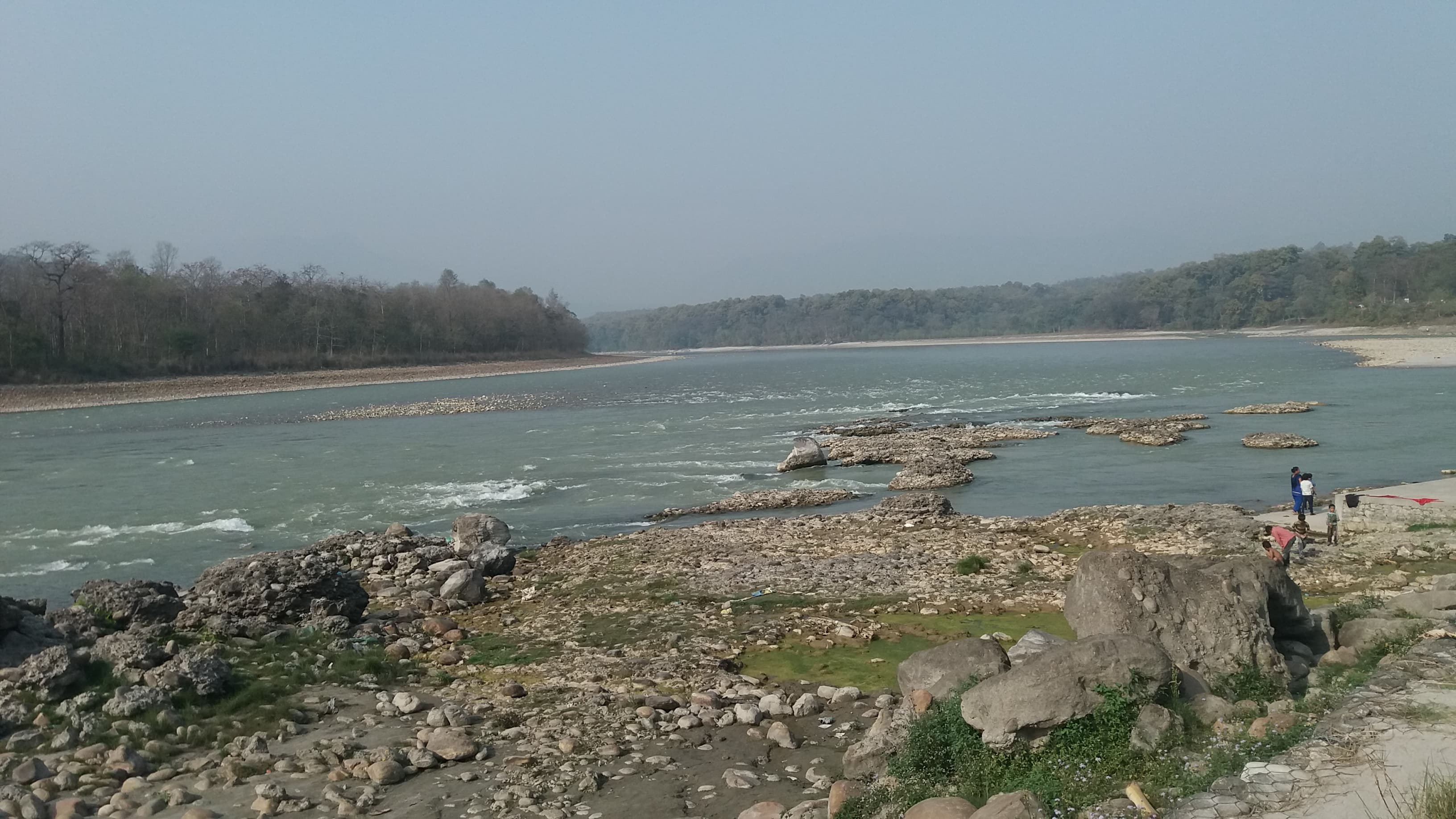
Sal forest, grassland and the riverine corridors of the Karnali and Babai.
Status & numbers
From the two original bulls in 1985, the wild herd grew steadily: five elephants entered the park in 1993, another 16 arrived in 1994, ~41 resident individuals were recorded by summer 1997, and more than 60 were estimated by 2002. Endangered globally; the current Bardia herd is the largest wild population in Nepal's western Terai.
Conservation story
Raja Gaj raised a serious scientific question — were the unusually large, domed-headed Bardia bulls a relict population, perhaps connected to extinct stegodonts? DNA testing settled it (they were Elephas maximus), but the park became internationally famous through the 1990s as a result, drawing the attention of conservationists like Dr Charles McDougal.
Where to see it
Wild herds are encountered irregularly on guided walks and jeep safaris; sightings have become more frequent as the herd has grown.
References (2)