Of all the planning decisions a first-time visitor to Nepal makes, this is probably the single most consequential: are you coming for the high-Himalayan trek or for the Terai wildlife safari?
It sounds like a false binary. After all, Nepal is a small country — you can fly across it in an hour, and dozens of operators sell combined "Everest plus Chitwan" itineraries that promise both. So why frame it as a choice at all?
Because the two experiences are genuinely different — different climates, different packing, different physical demands, different pacing, different lengths — and trying to compress both into a short trip often means doing neither well. The honest framing for most first trips is to pick one direction and commit.
The geography that creates the binary
Nepal divides into three climate zones running east–west across the country:
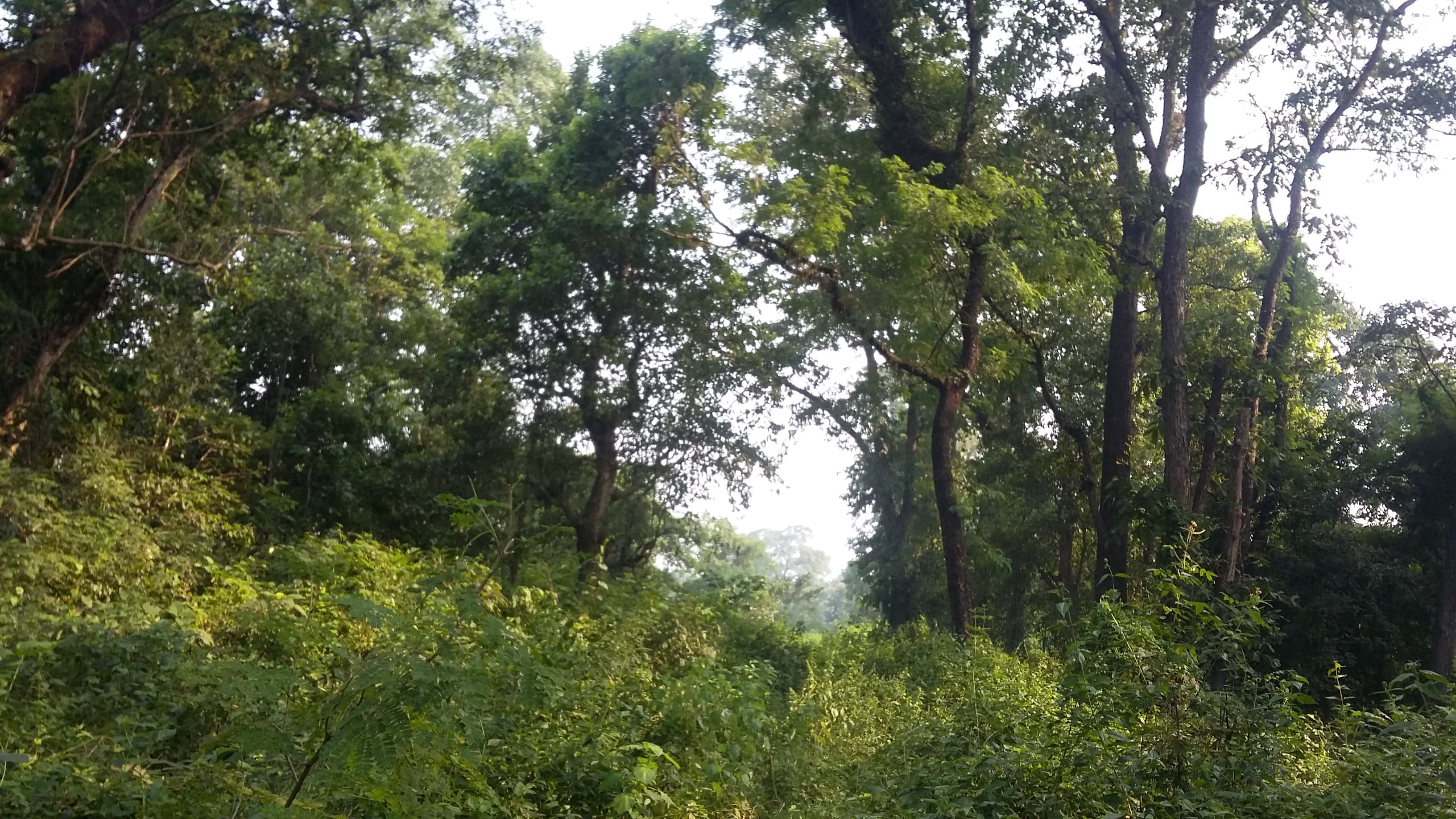
- The Terai along the Indian border — subtropical lowland, hot and humid, jungle and grassland. Sea level to around 300 m.
- The mid-hills — the rolling middle of the country, where most Nepalis live. Subtropical valleys to subalpine forest, roughly 300 m to 3,000 m.
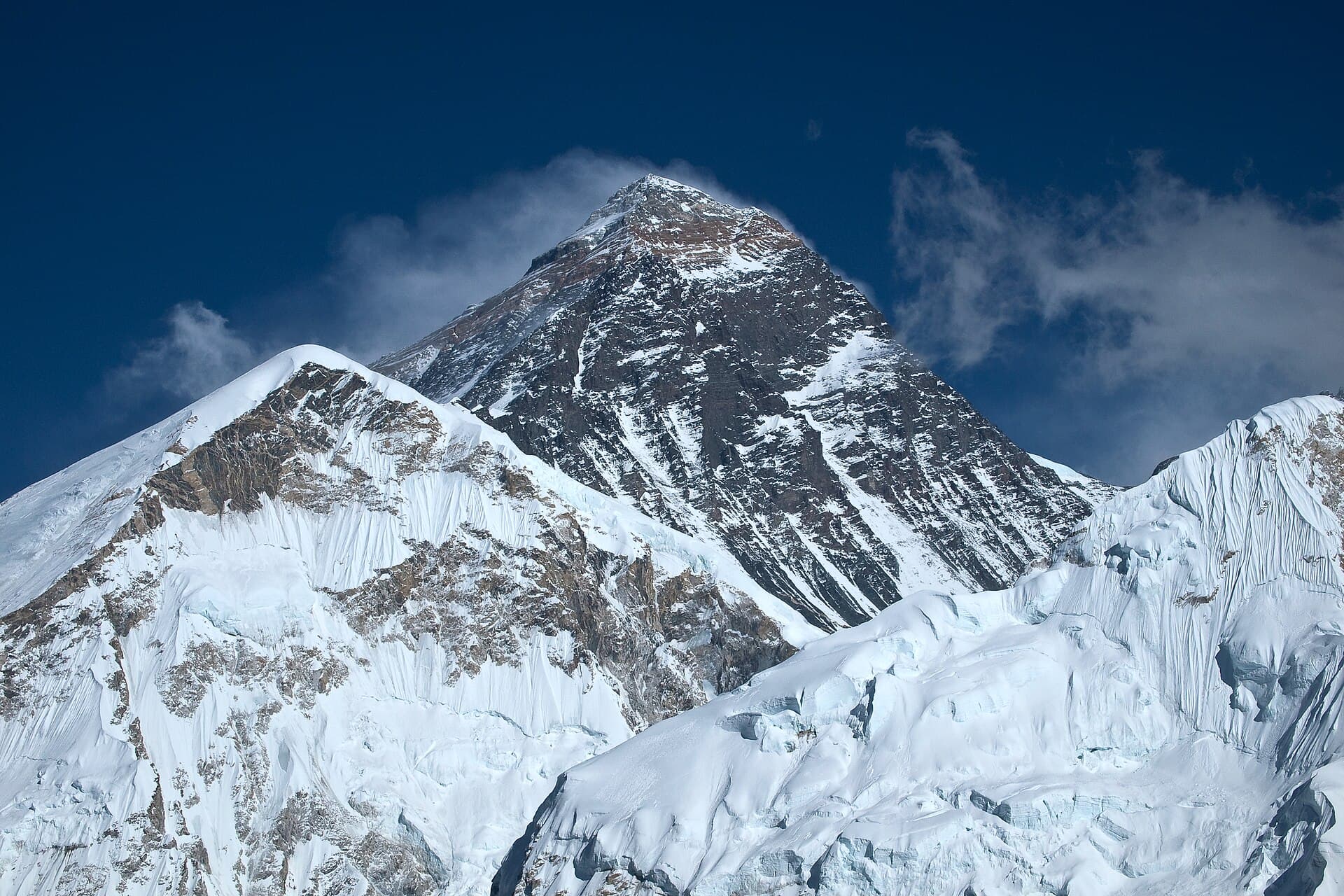
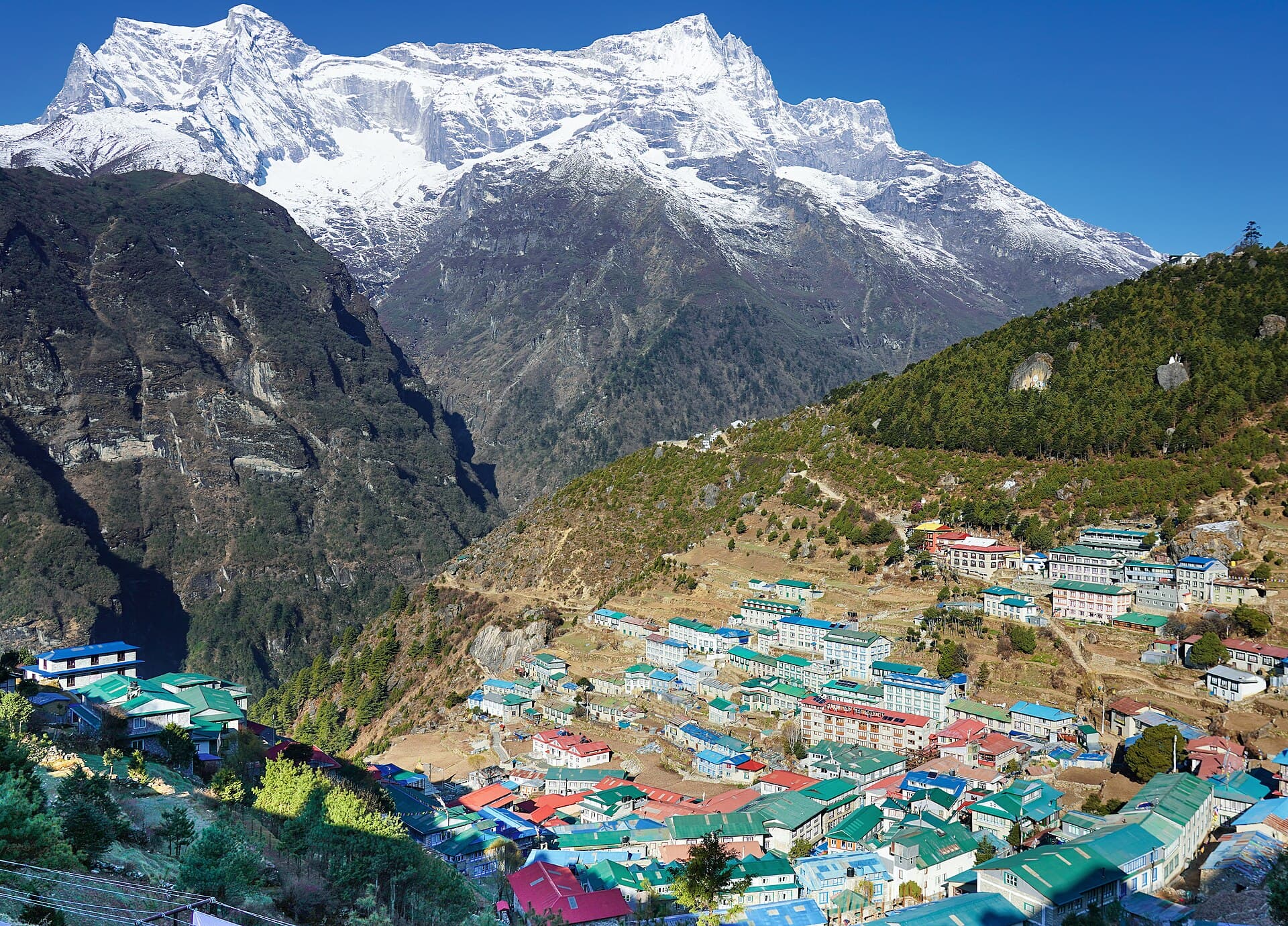
- The high Himalaya in the north — the mountain country including Everest, the world's highest peak. From the mid-hill transition zone up to 8,849 m.
The national parks track this geography:
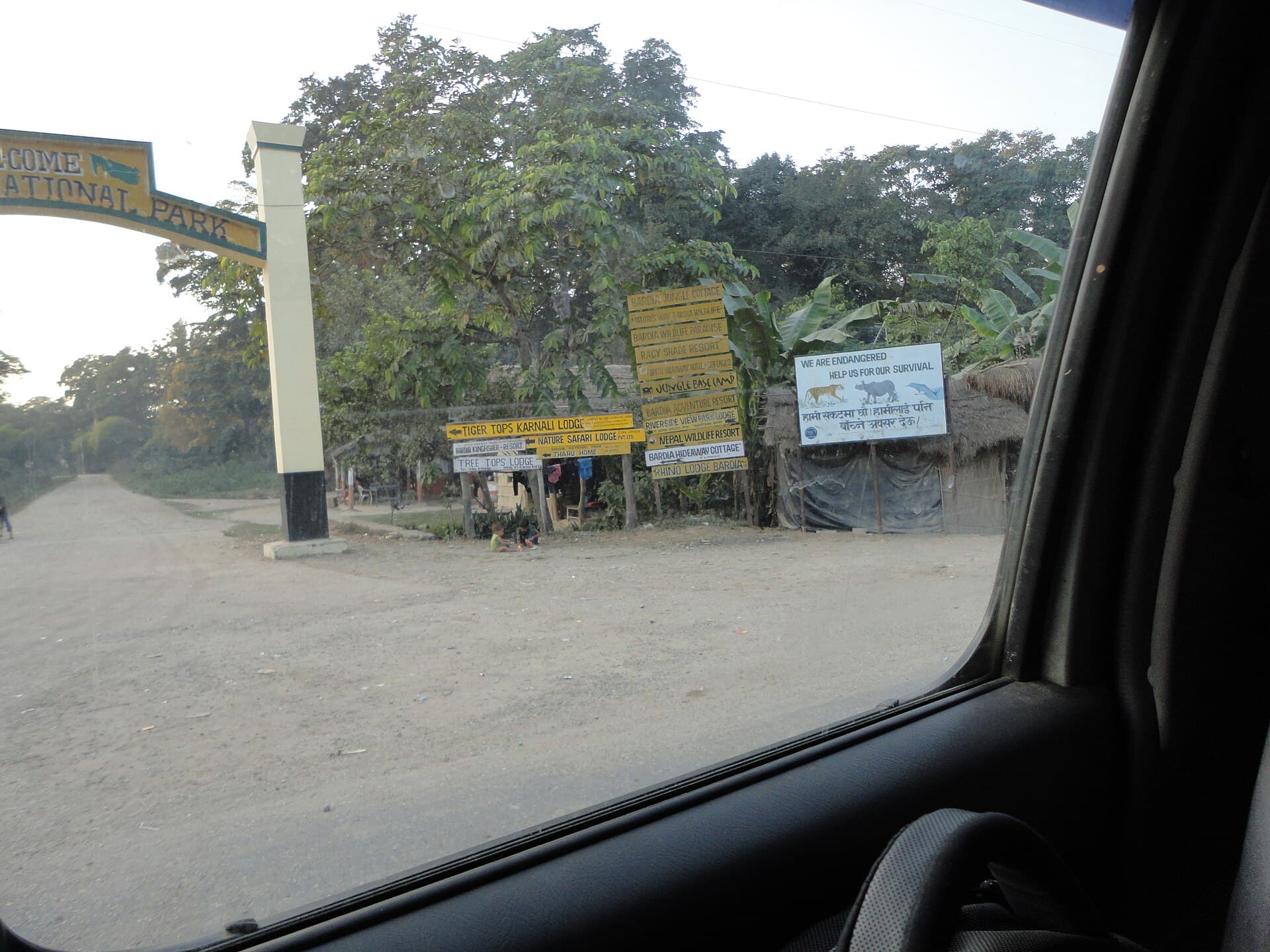
- Wildlife parks (Terai): Chitwan, Bardiya, Banke, Parsa and Shuklaphanta.
- Trekking parks (high Himalaya): Sagarmatha, Langtang, Shey Phoksundo, Makalu Barun, Rara, and the new (2025) Chhayanath Rara.
- Hybrid/mid-hill: Khaptad (highland pilgrimage and landscape) and Shivapuri Nagarjun (the Kathmandu Valley's day-hike park).
The distance from Chitwan to Sagarmatha is about 200 km as the crow flies, but the actual journey involves at least one return trip to Kathmandu — there is no useful overland connection. The two parks may share a country but they don't share a trip rhythm.
The trekking-parks experience
A high-Himalayan trekking trip means multi-day walking at altitude. You stay in basic teahouses along established trails. You walk for 4–8 hours a day. You sleep cold. You eat dal bhat (and occasionally noodles) most evenings. You acclimatise on scheduled rest days because skipping them is dangerous.
The reward is landscape that doesn't exist anywhere else on the planet — the high Khumbu around Everest, the rhododendron-and-lake country of Langtang and Dolpo, the Sherpa, Tamang and Tibetan villages that have lived in this country for centuries. For visitors who came for this, no Terai safari substitutes.
Length matters. The major trekking destinations have honest minimums:
- Everest Base Camp in Sagarmatha: 12 days door-to-door from Kathmandu, with at least two buffer days for the famously unreliable Lukla flight. Total: 14+ days.
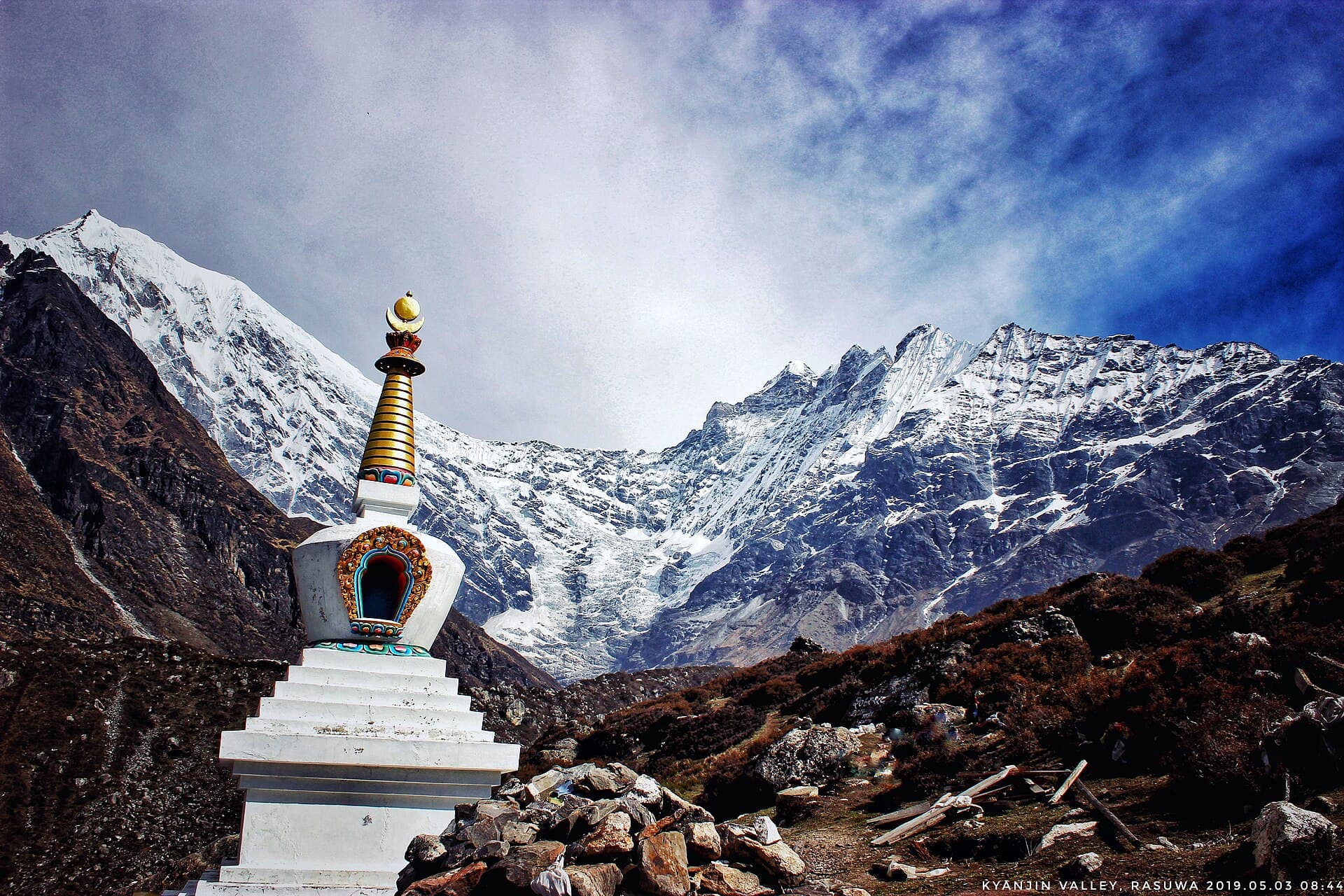
- Langtang Valley: 7 days door-to-door, the most accessible serious Himalayan trek and the only one without a flight in. Total: 7–8 days.
- Gokyo Lakes: 11 days for the EBC alternative — a quieter route in the same region.
- Phoksundo Lake (Lower Dolpo): 10 days, a far-western trek with the same Lukla-style flight unreliability via Juphal.
Cut these short and you trade away the trek's experience for travel logistics. A 7-day "Everest" trip that doesn't get past Namche Bazaar is a different trip than the EBC trek, and the gap is mostly in what makes the trek worth doing.
The wildlife-parks experience
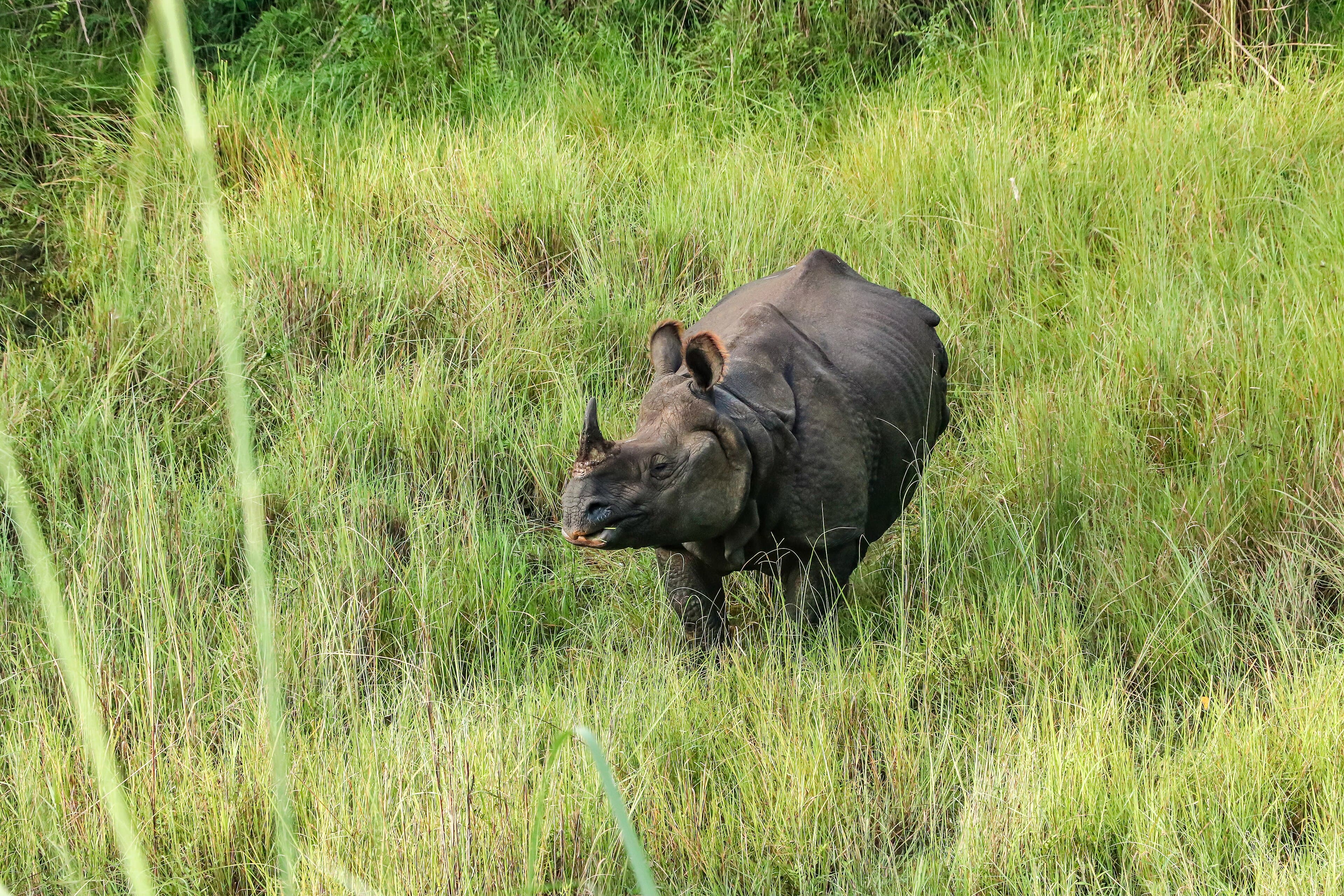
A Terai wildlife trip means staying in a comfortable lodge near the park gateway, then leaving each day by jeep, by walking safari, by river boat or on foot with a licensed guide. You look for tigers, rhinos, Asian elephant, gaur and sloth bear. You eat real food at the lodge. You sleep in a real bed. The weather is hot — in the February–April peak window, daytime temperatures climb past 35°C.
The reward is the species themselves. Nepal's Terai parks protect some of South Asia's most important megafauna populations — Chitwan's 694 rhinos (2021 census) are the world's second-largest population after Kaziranga; Nepal's tiger population, 355 across all parks in the 2022 census, has roughly doubled in a decade, the only Asian country to achieve this.
Trip lengths are more flexible than for treks:
- Chitwan: a 1-day taster works but 2–3 nights is the conventional sweet spot.
- Bardiya: 3 nights minimum, 4–5 for serious tiger-tracking.
- Shuklaphanta: 2–3 nights for the swamp-deer herds and far-western grasslands.
The shortest meaningful wildlife trip in Nepal is a long weekend at Chitwan. The shortest meaningful trekking trip is around a week at Langtang.
Why most first trips should commit
For visitors with under 10 days in Nepal, doing both means doing neither well. The Himalayan flights and the Terai flights all radiate from Kathmandu, which means each park visit ends with a return to the capital before the next can begin. A Sagarmatha-and-Chitwan trip with only a week of park days will spend much of that week in transit and in Kathmandu hotels.
A more honest first trip pattern: pick one, do it justice, leave the other for a future Nepal visit. Many international visitors come once and return three or four times over a decade; treating Nepal as a once-and-done destination is an unforced framing error.
The find-your-park questionnaire bakes this in. Tell it you have 4–7 days and want "a bit of everything" and you'll get a curated list of wildlife parks rather than treks, because no meaningful Himalayan trek fits inside a week with buffer.
The combined-trip pattern that actually works
If you have two weeks or more, the combined trip becomes practical. The pattern that works:
- Days 1–7: A 7-day Langtang Valley trek (drive in from Kathmandu, no Lukla flight). Returns you to Kathmandu by day 7 evening.
- Day 8: Kathmandu rest day. Laundry, repack, sleep at low altitude.
- Days 9–12: Fly to Chitwan via Bharatpur. A 3-night Chitwan visit fits comfortably.
- Day 13: Return to Kathmandu.
- Day 14: International departure (or 1 day buffer + departure).
This is a real two-trip-in-one. It gives you the Tamang villages of Langtang, the views of Langtang Lirung from Kyanjin Gompa, and then the rhinos, jungle walks and Tharu culture of Chitwan — without compressing either visit below the threshold of meaning.
For the EBC equivalent, you need three weeks: 14 days for the trek-with-buffer, then 4 nights at Chitwan, then 3 days of Kathmandu cultural time. This is the classic full-country first trip.
The honest editorial pick
If we had to recommend just one Nepal trip for a first-time visitor with around 10 days who has no firm preference between trekking and wildlife: a 7-day Langtang Valley trek plus 3 nights at Chitwan. The Langtang Valley is genuinely accessible — drive in, drive out, no Lukla flight unreliability — and gives you a real high-Himalayan experience. Chitwan adds the contrast. Together they show you both of the country's national-park identities without overcommitting to either.
If we had to recommend one for a wildlife-only visitor: Chitwan, 3 or 4 nights, with a possible day-trip extension to Parsa if you want a quieter forest day. If you specifically want a Bengal tiger sighting, the Chitwan-or-Bardiya comparison covers that decision in depth.
If we had to recommend one for a trekker: Sagarmatha, 12-day EBC trek, with 2 buffer days for Lukla. The trek is famous for a reason, and the famous-because-good ratio is genuinely high.
Two Nepals. One country. Pick one for this trip, and come back for the other.