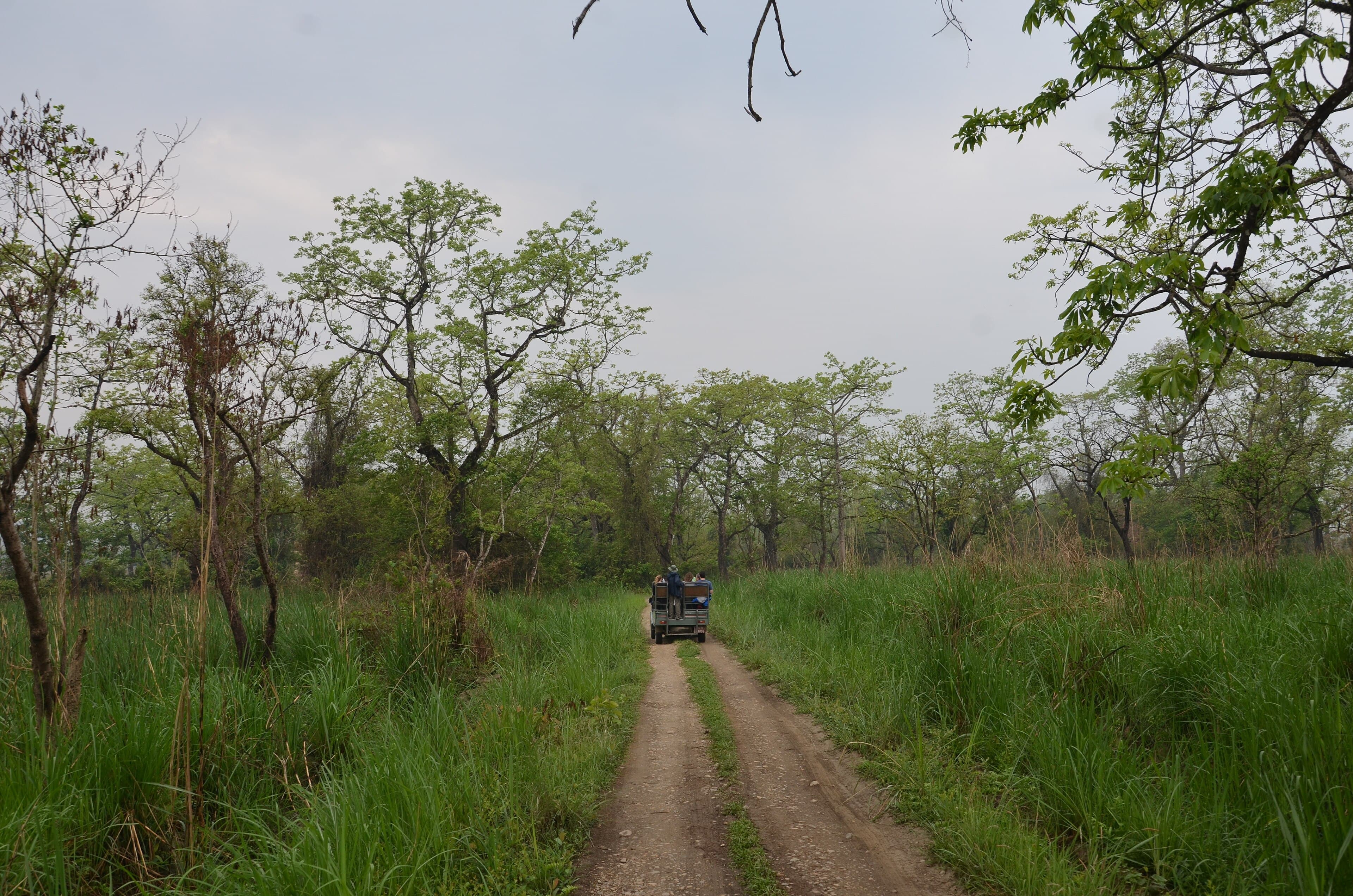
Forested hills of Shivapuri above the Kathmandu ValleyPhoto: Birendra Singh Bhat · CC BY-SA 4.0

National Parks / Hill / Shivapuri Nagarjun

Est. 2002 · Above the Kathmandu Valley

Shivapuri Nagarjun

The forested green wall on the northern rim of the Kathmandu Valley — a vital watershed, leopard habitat, and the capital's nearest escape into the wild.

159
km² area
2,732
m — Shivapuri Peak
2002
Established
300+
Bird species

Rising directly above the Kathmandu Valley, Shivapuri Nagarjun is the green wall that watches over Nepal's capital — a forested mid-hill park within sight of the city of a million people.

Established in 2002 as Nepal's ninth national park, it covers 159 km² across the Kathmandu, Nuwakot and Sindhupalchok districts, on the northern fringe of the valley. It is named after Shivapuri Peak (2,732 m), and adjoins 23 Village Development Committees, extending west toward Dhading.

The park is a vital water source for the Kathmandu Valley and a beloved escape into nature for the city's residents.

Forested ridges of Shivapuri NagarjunPhoto: Birendra Singh Bhat · CC BY-SA 4.0

The Landscape

Forested hills above the capital

The park's subtropical and temperate forests cloak steep hills rising from around 1,000 m to the 2,732 m summit of Shivapuri. Pine, oak, rhododendron and a rich understorey shelter the headwaters of streams that feed the valley's rivers. Its proximity to Kathmandu makes it one of Nepal's most accessible protected areas.

Wildlife

Leopards on the city's edge

Despite bordering a major city, the park supports surprising biodiversity.

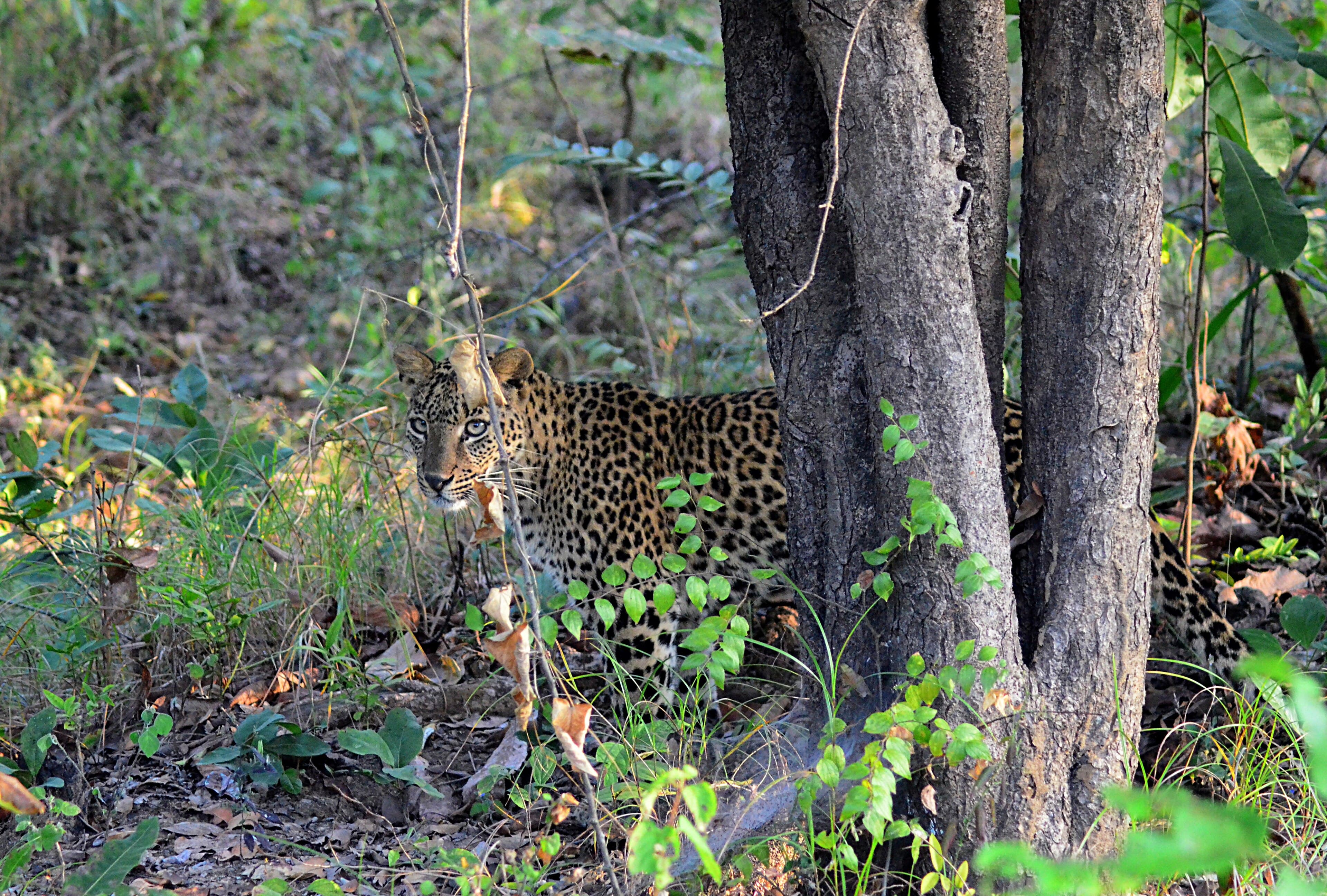
A leopardPhoto: Jenis Patel · CC BY-SA 4.0

Leopard

Panthera pardus

The park's top predator, ranging the forested ridges above the valley.

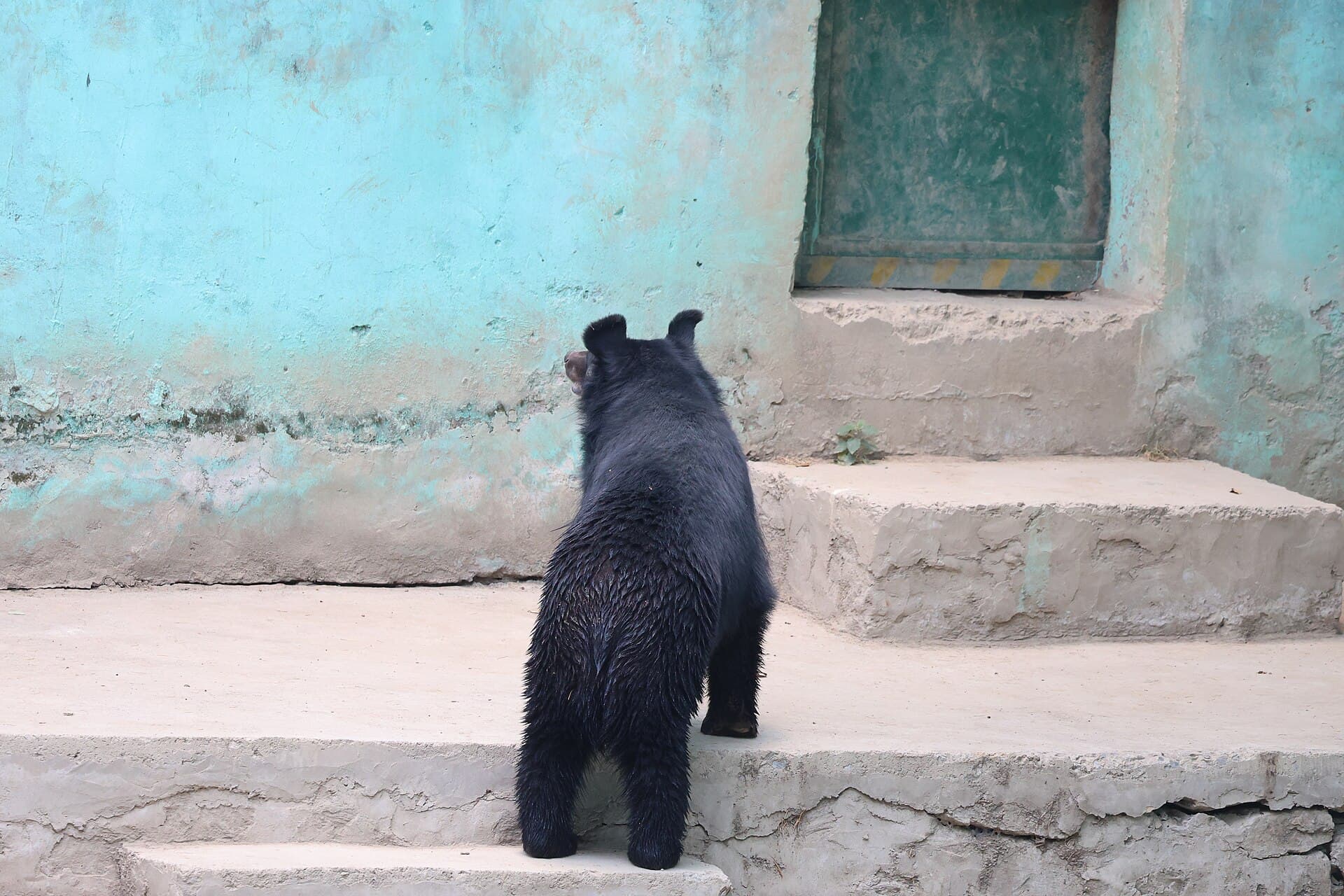
A Himalayan black bearPhoto: Ganesh Mohan T · CC BY-SA 4.0

Himalayan Black Bear

Ursus thibetanus

Present alongside jungle cat, wild boar and barking deer.

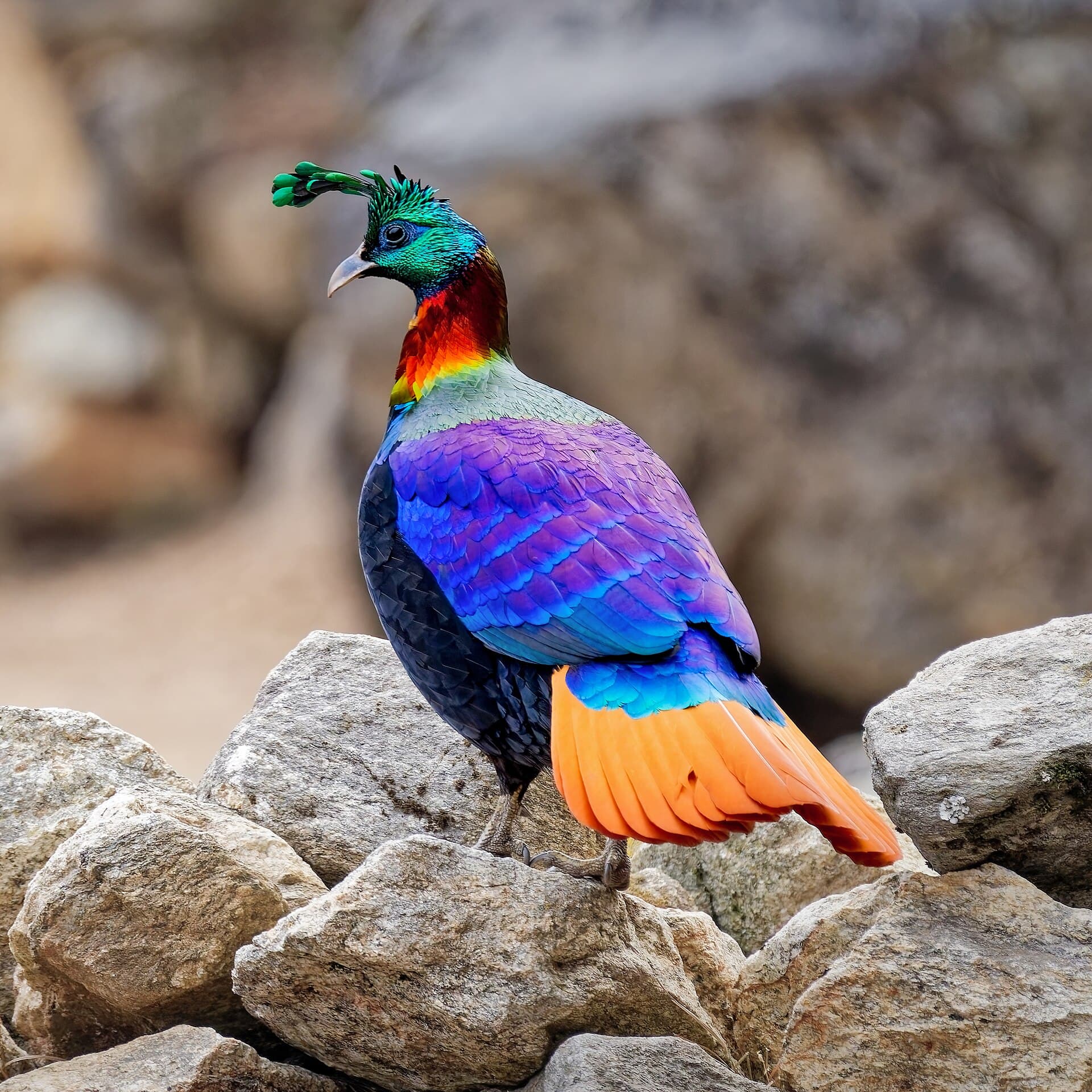
A colourful Himalayan pheasantPhoto: Pratap Gurung · CC BY-SA 4.0

Birds & Butterflies

300+ birds

A rich bird community and abundant butterflies draw naturalists from the city.

The park also holds cultural and spiritual sites, including the Nagi Gompa monastery and Bagdwar, the source of the sacred Bagmati River.

Visiting

Nature at Kathmandu's doorstep

The most accessible national park in Nepal — a day-trip from the capital.

Day hikes

Popular trails to Shivapuri Peak, Nagi Gompa and Bagdwar from the valley rim.

Nagarjun forest

The Nagarjun side offers forest trails and a hilltop viewpoint (Jamacho).

Sacred sources

Bagdwar, the source of the Bagmati, and monasteries within the forest.

Easily reached from Kathmandu via Budhanilkantha or the Nagarjun gate. A park entry fee applies; confirm current details.

Reference

Facts at a glance

Location
Kathmandu, Nuwakot & Sindhupalchok districts, Bagmati Province
Area
159 km²
Elevation
~1,000 m to 2,732 m (Shivapuri Peak)
Established
2002 — Nepal's 9th national park
Significance
Key water source & green space for Kathmandu Valley
IUCN category
II (National Park)

Administration

Park leadership

Each park is managed on the ground by a chief warden who reports into Nepal's Department of National Parks and Wildlife Conservation (DNPWC).

Chief warden
Pending DNPWC verification
Headquarters
Verify with DNPWC
Reports to
DNPWC, Ministry of Forests and Environment
Office-holders rotate regularly and are administered separately, so we do not publish unverified names. For how Nepal’s protected areas are governed, see DNPWC and protected-area administration.

Wildlife & Ecology

Kathmandu's wilderness — leopards, vultures and the Bagmati's source

Shivapuri Nagarjun is Nepal's most accessible national park — 159 km² on the northern rim of the Kathmandu Valley, a day-hike from the city. Established as Shivapuri National Park in 2002 and expanded in 2009 to include the Nagarjun forest, it protects the valley's primary watershed (supplying several hundred thousand cubic litres of water daily), 318 documented bird species and 2,122 floral species — and is one of the few capital-adjacent protected areas in Asia.

Indian leopardVulnerablePanthera pardus fusca · ChituwaThe park's top predator — a resident urban-edge leopard population that occasionally enters the Kathmandu valley.

A medium-large spotted cat that lives in remarkably close proximity to one of South Asia's largest cities. Shivapuri's leopards regularly cross into surrounding settlements at night.

Behaviour

Solitary, nocturnal/crepuscular; well-adapted to forest-urban edge habitat.

Diet

Barking deer, wild boar, livestock and dogs on the periphery.

Habitat in this park

Mid-hill broadleaf and oak forest at 1,000–2,700 m.

Status & numbers

Vulnerable globally; no published park-specific count, but documented as a resident breeding population.

Conservation story

Human-leopard conflict on the city edge is the central management issue — particularly in the Tokha, Budhanilkantha and Sundarijal buffer settlements. The park's existence buffers Kathmandu's drinking-water catchment as much as it protects the cat.

Where to see it

Effectively impossible to see; signs (scat, pugmarks) are the realistic encounter.

References (1)
Himalayan black bearVulnerableUrsus thibetanusResident in the upper forest belt — the largest mammal in the park.

A medium-sized bear with the characteristic white V on the chest.

Behaviour

Mostly crepuscular; ranges widely; can be aggressive when surprised.

Diet

Fruit, nuts, insects, small mammals; occasionally livestock.

Habitat in this park

Upper forested slopes around Shivapuri Peak.

Status & numbers

Vulnerable globally; park-specific count not published.

Where to see it

Uncommon; sign (claw marks on trees) is the realistic encounter.

References (1)
Indian muntjac (barking deer)Least ConcernMuntiacus muntjakThe park's most commonly heard mammal — its sharp dog-like alarm call carries across the forest.

A small forest deer with characteristic backward-pointing antlers in males.

Behaviour

Solitary or in small groups; ranges through dense understorey.

Diet

Leaves, shoots, fruit and grasses.

Habitat in this park

Throughout the forested park.

Status & numbers

Least Concern globally; the most numerous deer in the park.

Where to see it

Heard more than seen; dawn around the Sundarijal–Chisapani trail is a reliable encounter.

References (1)
Eurasian eagle-owlLeast ConcernBubo buboAmong the park's 318 documented birds — the largest owl in Eurasia, present in the rocky upper forest.

A massive horned owl — one of the largest in the world — with rich brown markings and orange eyes.

Behaviour

Nocturnal; ambush hunter from rocky perches.

Diet

Small to mid-sized mammals and birds.

Habitat in this park

Rocky outcrops and forest edges in the upper Shivapuri reaches.

Status & numbers

Least Concern globally; documented Shivapuri resident.

Where to see it

Heard at dusk; very occasionally seen on the upper trails.

References (1)

Other notable mammals

  • Jungle cat · Felis chausMid-sized cat present in the park; uses forest-edge habitat.
  • Wild boar · Sus scrofaCommon in the forest understorey.
  • Rhesus macaque, grey langurTwo primates; rhesus macaques are common around the Nagarjun gate.
  • Yellow-throated marten, jackal, fox, civetsMid-sized carnivores of the mid-hill forest.

Birds

318 bird species recorded — an unusually rich avifauna for a 159 km² mid-hill park, helped by Shivapuri's position on the Kathmandu Valley rim and its range from 1,000 m to 2,732 m. The park is on virtually every Kathmandu-based birder's regular list.

  • Eurasian eagle-owl · Bubo buboOne of the world's largest owls.
  • Golden-throated barbet · Psilopogon frankliniiA signature forest bird of the park.
  • Spiny babbler · Turdoides nipalensisNepal's only endemic bird — at the edge of its range here.
  • Various pheasants and laughingthrushesThe mid-elevation forest community is rich and accessible from Kathmandu.
References (1)

Flora & vegetation zones

About 2,122 floral species recorded, with 16 endemic to the region. The forest types span subtropical pine to temperate oak and rhododendron, all within a day's drive of Kathmandu.

Subtropical pine forest (lower slopes)
Pinus roxburghii (chir pine)The forest type around the lower park boundary.
Oak–rhododendron forest
Quercus spp., Rhododendron arboreumThe middle-elevation forest belt that holds most of the park's wildlife.
Broadleaf mixed forest
Castanopsis, Schima, mixed broadleavesThe classic Kathmandu Valley rim forest type.
References (1)

Places of interest

  • Shivapuri Peak (2,732 m)The highest point in the park — a popular Kathmandu day-hike summit.
  • Bagdwar (source of the Bagmati)The sacred source of the Bagmati River, which runs through Kathmandu — and the entire reason the park exists as a watershed protector.
  • Nagi GompaA Buddhist monastery on the southern slope of Shivapuri; a popular trekking objective.
  • Nagarjun forest & Jamacho hillThe western annex added in 2009 — different access from the Nagarjun gate at the Kathmandu Ring Road.
  • SundarijalWaterfall, reservoir and the trailhead for the Sundarijal–Chisapani route — the gateway to Helambu and Langtang from the east.
  • Kathmandu Valley watershedThe park supplies several hundred thousand cubic litres of water daily to Kathmandu — its single most important practical role.
References (1)

Plan Your Visit

For international visitors

Practical context for visitors arriving from another country — how to get here, how long to stay, what you'll actually see, and whether this park fits the trip you have in mind.

From Kathmandu

Shivapuri Nagarjun is the only national park whose boundary touches the Kathmandu Valley — its forest rim sits roughly 12 km north of the city centre and is reachable by taxi in 30–45 minutes. The park covers two distinct sections: the Shivapuri massif (a watershed forest behind Budhanilkantha) and the Nagarjun forest (the densely forested hill behind Swayambhu).

Why this park

For visitors with a Kathmandu rest day before or after a bigger trek, Shivapuri Nagarjun is the genuine answer to 'where can I get into forest without losing a day on transit?' Day hikes lead to the Shivapuri summit (2,732 m), to the Bagmati and Bishnumati river headwaters, and along the Nagarjun forest trails. Wildlife is present but secretive; the experience is mostly forest, ridge views and pilgrimage points.

When to come

October to early May is the practical visiting window. Autumn has the clearest air and best mountain views from the ridge; spring brings rhododendron in patches of the upper forest. Monsoon (Jun–Sep) is leech-heavy and visibility from the ridge is poor.

How long to stay

Minimum useful visit
A half-day visit. A morning into Nagarjun or a Shivapuri ridge walk works comfortably as a half-day from a Kathmandu hotel — taxi in, hike a loop, taxi back. This is the only Nepal park you can realistically visit in half a day.
Ideal length
Full day, or 1 night. A full day allows the Shivapuri summit walk (about 6–8 hours round trip from Budhanilkantha) with time for the pilgrimage points en route. A single overnight in the small handful of resort or homestay options near Budhanilkantha turns it into a proper escape.

What you'll actually see

Shivapuri Nagarjun is a day-hike park, not a wildlife-spotting park. Expect dense oak and pine forest, pilgrimage sites and (on a clear day) Himalayan ridge views from the summit.

Realistically expect

  • Dense forest of oak, pine and rhododendron — strikingly green for a park this close to a capital city
  • Bagmati and Bishnumati headwaters (sources for Kathmandu's two main rivers)
  • Hundreds of bird species recorded along the forest trails — the park is a popular Important Bird Area for Kathmandu-based birdwatchers
  • Pilgrimage points: Baghdwar and the Nagi Gumba nunnery on the Shivapuri side
  • On a clear morning, Himalayan ridge views from the Shivapuri summit (2,732 m)

Possible but not reliable

  • Common leopard — present and breeding in the forest, almost never seen
  • Yellow-throated marten (forest edge)
  • Himalayan black bear (rare; mostly forest interior)
  • Pangolin (heavily threatened; very rarely seen)

Season note. October–November gives the sharpest Himalayan views from the ridge; March–April brings rhododendron in the upper forest. Air-pollution haze from the Kathmandu Valley reduces ridge visibility in winter — pick an early-morning start.

Practical realities

From Kathmandu
Road only: about 30–45 minutes by taxi from central Kathmandu to either the Budhanilkantha (Shivapuri) or Swayambhu (Nagarjun) entrance. Public transport reaches both sides. No flight, no overnight trek-in.
When it's open
Open year-round. Best months are October to early May. Monsoon is wet and leech-heavy in the forest; air-pollution haze reduces winter ridge visibility.
Accommodation
Most visitors return to a Kathmandu hotel after a day visit. A small handful of resorts, retreat centres and homestays exist near the Budhanilkantha entrance for those wanting to overnight. We don't recommend specific properties.

Fees and permits

Foreigner
NPR 250 per person per entry
SAARC nationals
NPR 250 per person per entry
Nepali
NPR 10 per person per entry

Source: Nepal Tourism Board — Shivapuri Nagarjun National Park · verified 28 May 2026 · charged per entry

The lowest entry fee of any national park in Nepal — Shivapuri Nagarjun is priced like a day-use forest reserve rather than a destination park.

Other permits

  • No additional permits. Shivapuri Nagarjun requires no restricted-area permit or TIMS card for a day visit. Pay the entry fee at the gate.

Bring cash in NPR — the entry gates are small and may not accept cards.

Visit if…

  • You have a Kathmandu rest day before or after a bigger trek and want to get into forest without losing a day to transit
  • Birdwatching in oak-and-pine forest interests you
  • A summit day-hike with Himalayan ridge views (Shivapuri at 2,732 m) appeals
  • You want the cheapest park entry of any in Nepal
  • Pilgrimage and meditation sites (Nagi Gumba, Baghdwar) fit your interest

Skip if…

  • You're looking for serious wildlife or a multi-day trek — Shivapuri Nagarjun is a day-use park
  • You're in the deep monsoon and the forest is leech-heavy
  • Smog or winter haze rules out the summit ridge view that's the headline draw
  • You don't have a half-day to spare on top of your Kathmandu plans
  • You're hoping for the safari-style or high-Himalayan-trek experience the other parks offer

Visitor Guide

Plan your visit

The most accessible national park in Nepal — day hikes, monasteries and birdlife on the northern rim of the Kathmandu Valley.

Places of Interest
  • Shivapuri Peak (2,732 m)
  • Nagarjun forest & Jamacho hill viewpoint
  • Nagi Gompa monastery
  • Bagdwar (source of the Bagmati River)
  • Sundarijal (waterfall / reservoir area)
  • Budhanilkantha (gateway)
Things to Do
  • Day hiking
  • Mountain biking (Nagarjun)
  • Birdwatching
  • Nature photography
  • Monastery visits
  • Picnicking
Trails & Tracks

The most accessible national park — day-hike trails climb straight from the Kathmandu Valley rim.

Main routes

  • Shivapuri Peak hike — Budhanilkantha → Shivapuri Peak (moderate)
  • Bagdwar (Bagmati source) hike (moderate)
  • Nagarjun / Jamacho hill (easy–moderate)
  • Sundarijal → Chisapani (moderate)
Difficulty
Easy to moderate; day hikes
Access
Very accessible from Kathmandu
Wildlife & Biodiversity

Flagship species

  • Leopard
  • Himalayan black bear
  • Jungle cat
  • Wild boar
  • Barking deer

More than 300 bird species, abundant butterflies, and good birding year-round.

Flora & Plant Life

Forest

  • Subtropical & temperate forest
  • Pine, oak and rhododendron

A rich understorey on this watershed forest of the Kathmandu Valley rim.

Accommodation & Camping

Base

  • Day-trip from Kathmandu

Types

  • Mostly day-use; some resorts nearby
  • Camping (confirm locally)

Specific lodge and resort names. Fees, hours and operators change — confirm current details with the DNPWC and Nepal Tourism Board before travelling.

Visitor Information
Best time
Year-round; autumn and spring are clearest
Weather
Mild mid-hill; monsoon Jun–Sep
Entry fee
Foreigners NPR 250 · SAARC NPR 250 · Nepali NPR 10, per person per entry. Verify current rates before travel. Nepal Tourism Board

Opening hours. Fees, hours and operators change — confirm current details with the DNPWC and Nepal Tourism Board before travelling.

Regulations

  • Park entry permit required — confirm current rules
  • Stay on the trails

Safety

  • Leopard habitat — sensible caution
  • Carry water on hikes
Maps & Navigation
Approx. location
27.82°N, 85.40°E
Gateways
Budhanilkantha, Nagarjun gate, Sundarijal, Pani Muhan
Nearest access
Kathmandu (immediately south) — a day trip with multiple valley-rim entry points

Visitor-centre information. Fees, hours and operators change — confirm current details with the DNPWC and Nepal Tourism Board before travelling.

Cultural & Historical

Communities of the Kathmandu Valley rim.

Sacred sites

  • Nagi Gompa monastery
  • Bagdwar (sacred source of the Bagmati)

Established in 2002 as Nepal's ninth national park; named after Shivapuri Peak, it is a vital watershed for the Kathmandu Valley.

Events & Experiences

Guided experiences

  • Guided day hikes
  • Birding walks
  • Monastery visits (Nagi Gompa)

Watershed and nature education near the capital.

Specific tour operators. Fees, hours and operators change — confirm current details with the DNPWC and Nepal Tourism Board before travelling.

Shivapuri hills

Explore more of Nepal's parks

Thirteen parks, one extraordinary country.