What this site is
Nepal National Parks is a guide to the thirteen national parks of Nepal — their wildlife, landscapes, culture and the practicalities of visiting. It is written for travellers planning a trip, students and the simply curious, with a deep flagship guide to Chitwan, the country's first national park, and a growing journal of guides and comparisons.
How it's made
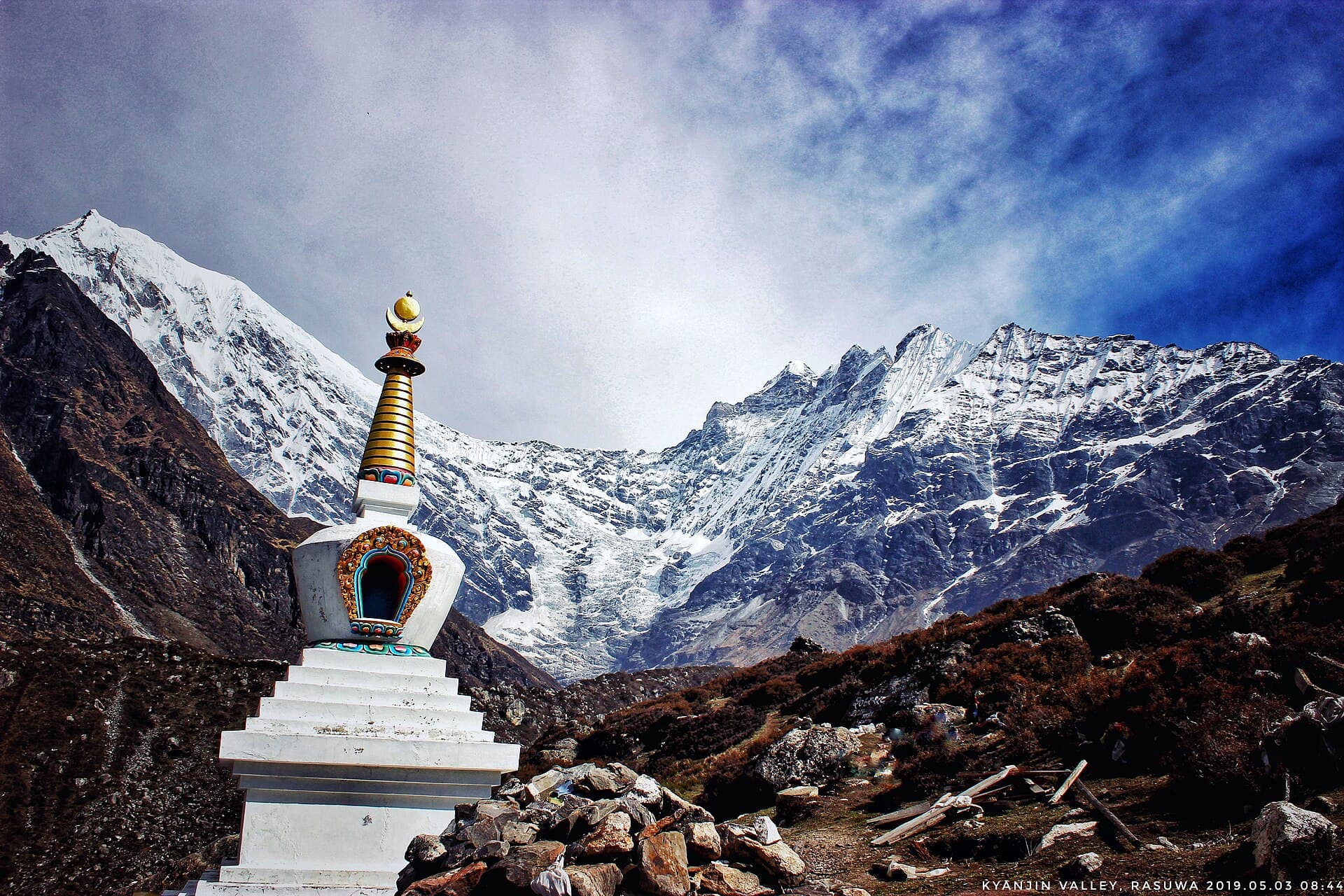
Park descriptions, history and biodiversity are adapted from Wikipedia (Creative Commons BY-SA) and cross-checked against authoritative sources: the Department of National Parks and Wildlife Conservation, the Nepal Tourism Board, and UNESCO's World Heritage listings for Chitwan and Sagarmatha. Every photograph comes from Wikimedia Commons under a Creative Commons licence — see the full image credits and our sources.
Our approach to accuracy
We try hard not to state anything we cannot stand behind. Entry fees are quoted only where we have confirmed them against the Nepal Tourism Board; where a figure could not be verified, we say so and point you to the official sources rather than guess. Trip details — transport times, opening arrangements, lodge availability — change often and are marked as indicative. Always confirm fees, permits and conditions close to your travel date.