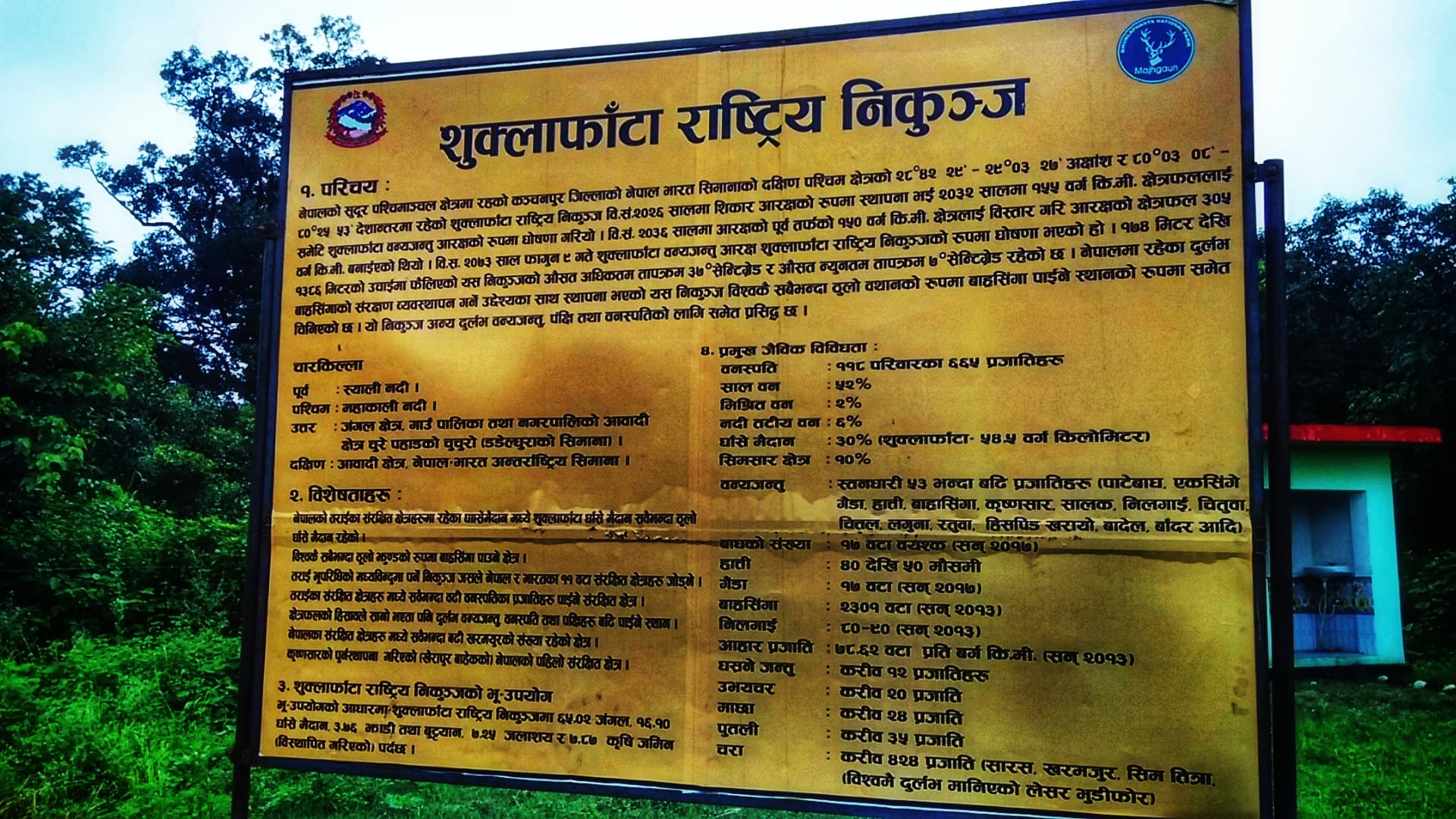
Shuklaphanta sits at the western end of the Terai Arc and connects to India's Pilibhit Tiger Reserve through a wildlife corridor — making it part of one of South Asia's most important transboundary tiger landscapes.
Behaviour
Mostly nocturnal and crepuscular. The Shukla Phanta grasslands and the riverine sal forest along the Mahakali are the prime range.
Diet
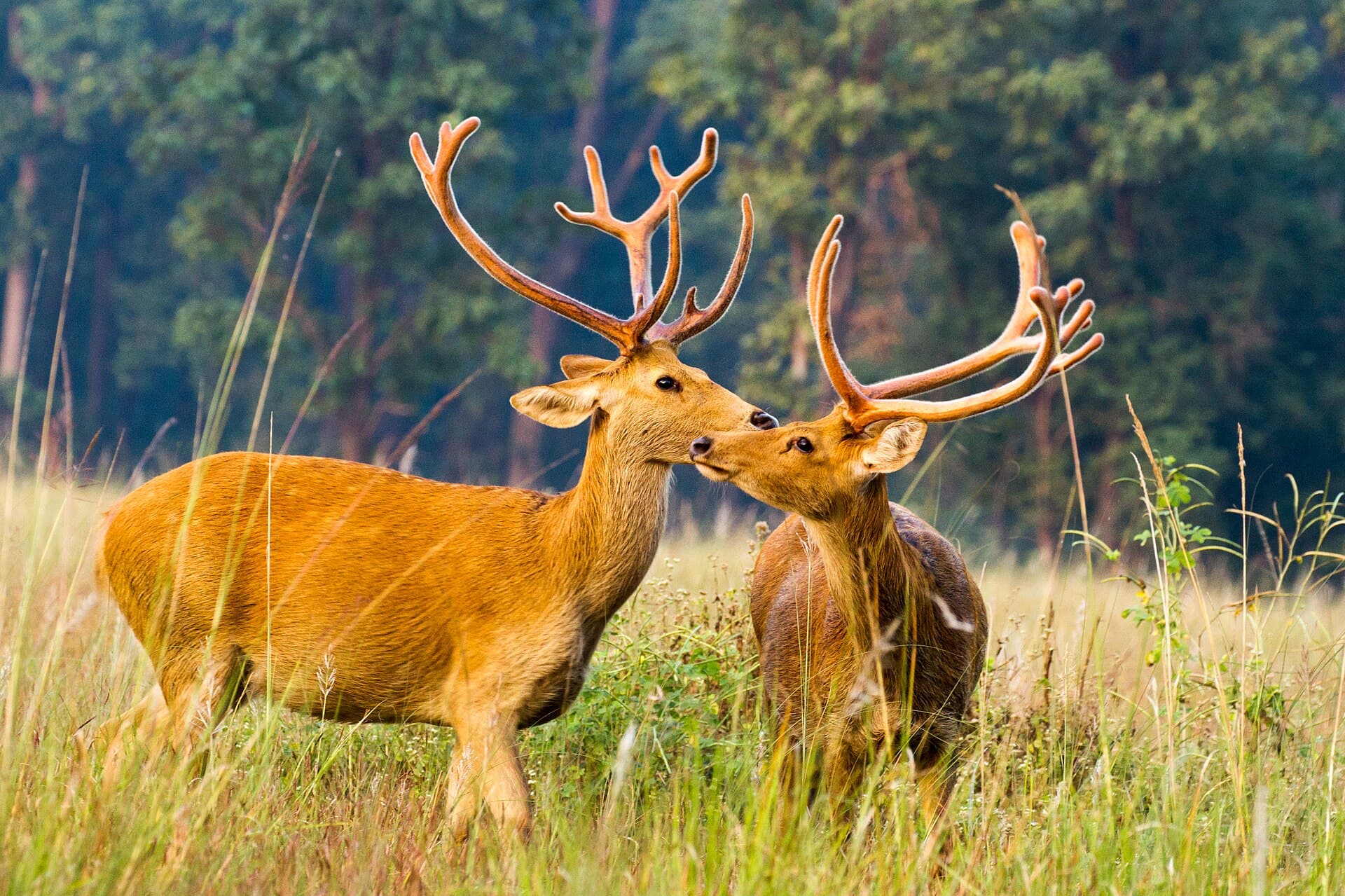
Chital, swamp deer, hog deer and wild boar — with the largest swamp-deer herd in Nepal, the prey base is very rich.
Habitat in this park
Mosaic of sal forest, riverine forest, and the great phantas; transboundary use with Pilibhit (India).
Status & numbers
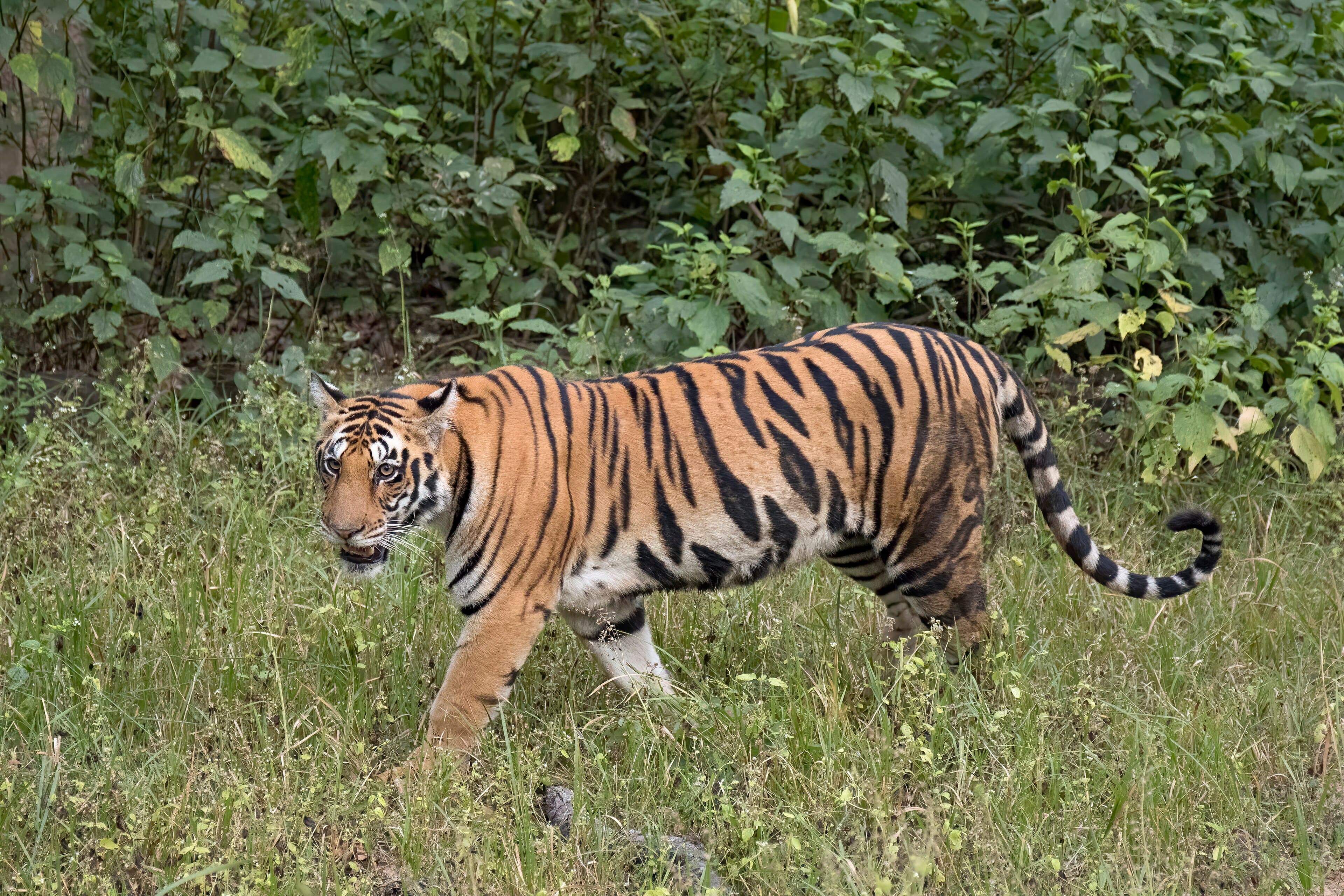
Nepal's 2022 national survey recorded 36 tigers in Shuklaphanta, behind Chitwan (128), Bardia (125) and Parsa (41), and ahead of Banke (25).
Conservation story
Camera-trapping in the park has identified an increasing number of individual tigers; the corridor to Pilibhit allows genetic exchange. Anti-poaching coverage and grassland management are the central conservation levers.
Where to see it
Far less reliable than Bardia or Chitwan; signs (pugmarks, alarm calls) are the realistic encounter.
References (2)