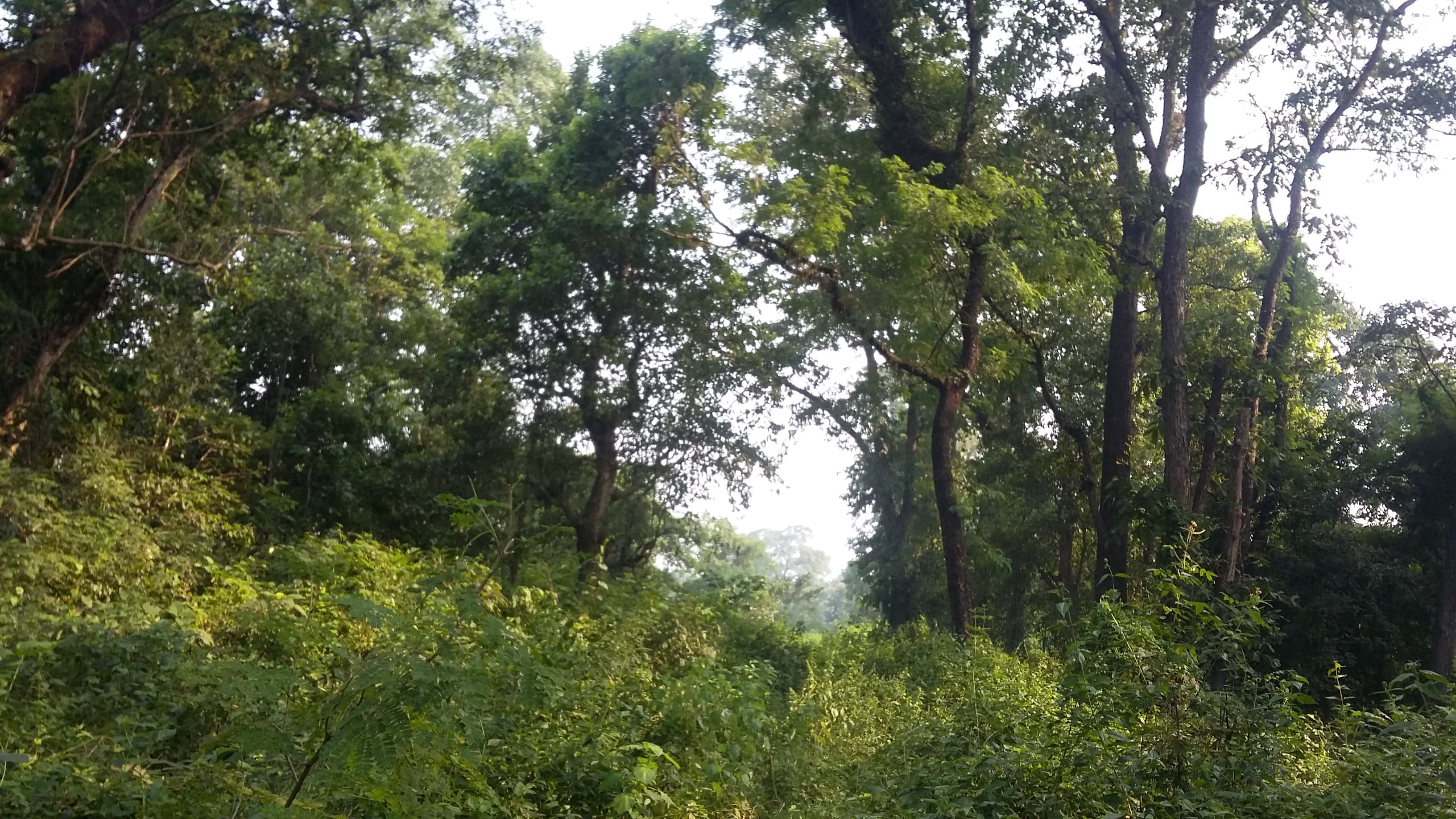
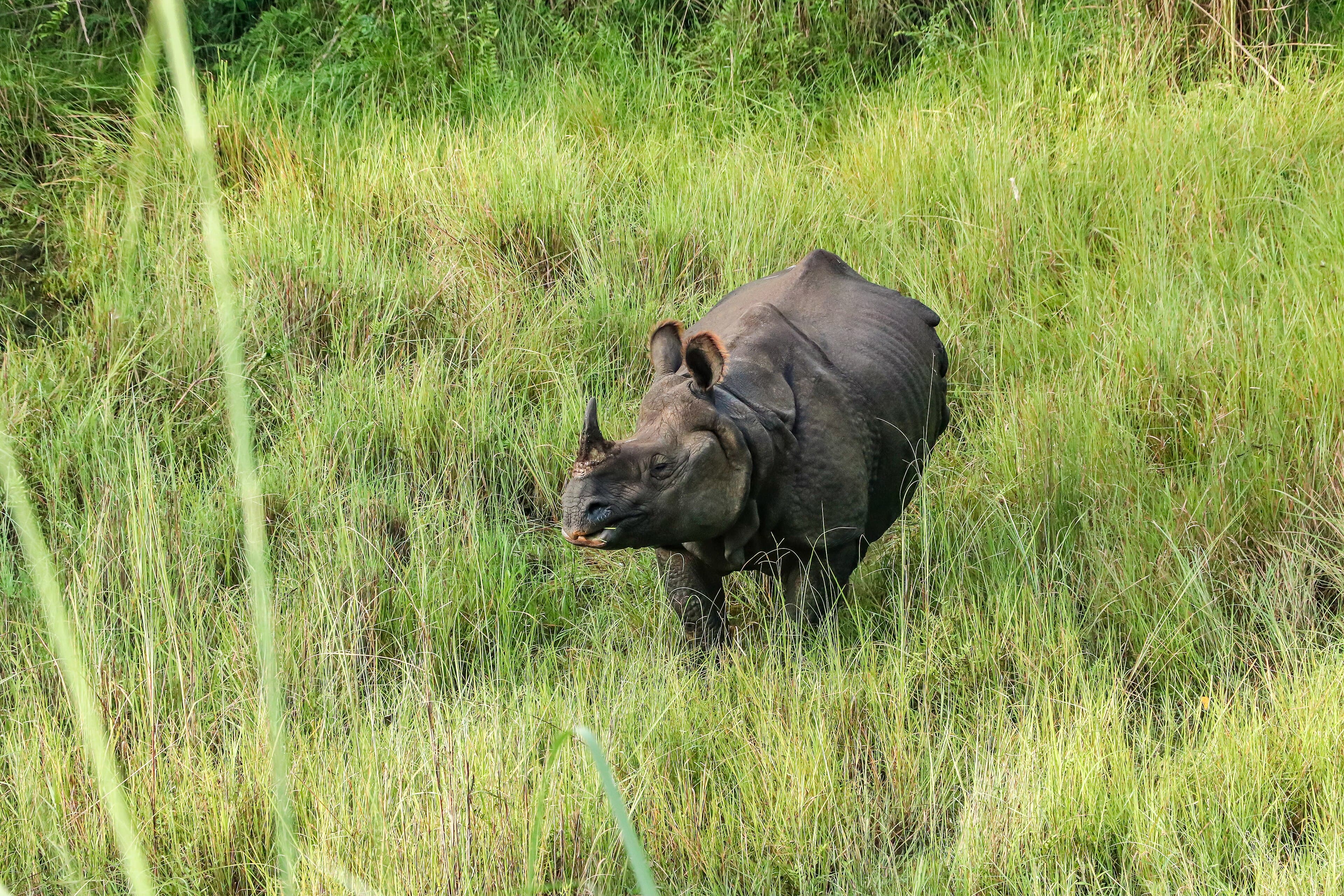
Sivalik forest and grassland in Banke National ParkPhoto: Hopingyousuf · CC BY-SA 4.0

National Parks / Terai / Banke

Est. 2010 · A 'Gift to the Earth'

Banke

Nepal's 'Gift to the Earth' — a young Terai park on the Churia hills that forms a vital tiger corridor alongside neighbouring Bardiya.

550
km² area
2010
Established
34
Mammal species
300
Bird species

Established on 12 July 2010 as Nepal's tenth national park, Banke was created following its recognition as a 'Gift to the Earth' — and forms a vital link in the conservation of the Bengal tiger.

The park covers 550 km², with most of its terrain falling within the Churia (Sivalik) range, and is surrounded by a 344 km² buffer zone across the Banke, Salyan and Dang districts. Together with neighbouring Bardiya National Park it forms the Bardia–Banke Tiger Conservation Unit, a contiguous protected block of around 1,518 km².

To the south, the park connects through the Kamdi corridor to India's Suhelwa Wildlife Sanctuary, making it a key transboundary link in the wider Terai Arc Landscape.

Regenerating Sivalik forestPhoto: Bharatadhikarimb · CC BY-SA 4.0

The Landscape

Eight ecosystems on the Churia

Banke's landscape is built from eight distinct ecosystem types, from sal forest and grassland to riverine habitat along the Rapti and Babai rivers. Its subtropical monsoon climate brings three seasons — summer, monsoon and winter — and the regenerating Churia forests provide cover for an expanding wildlife population.

Wildlife

A tiger corridor

Banke shelters around 34 mammal species and serves as critical tiger habitat alongside Bardiya.

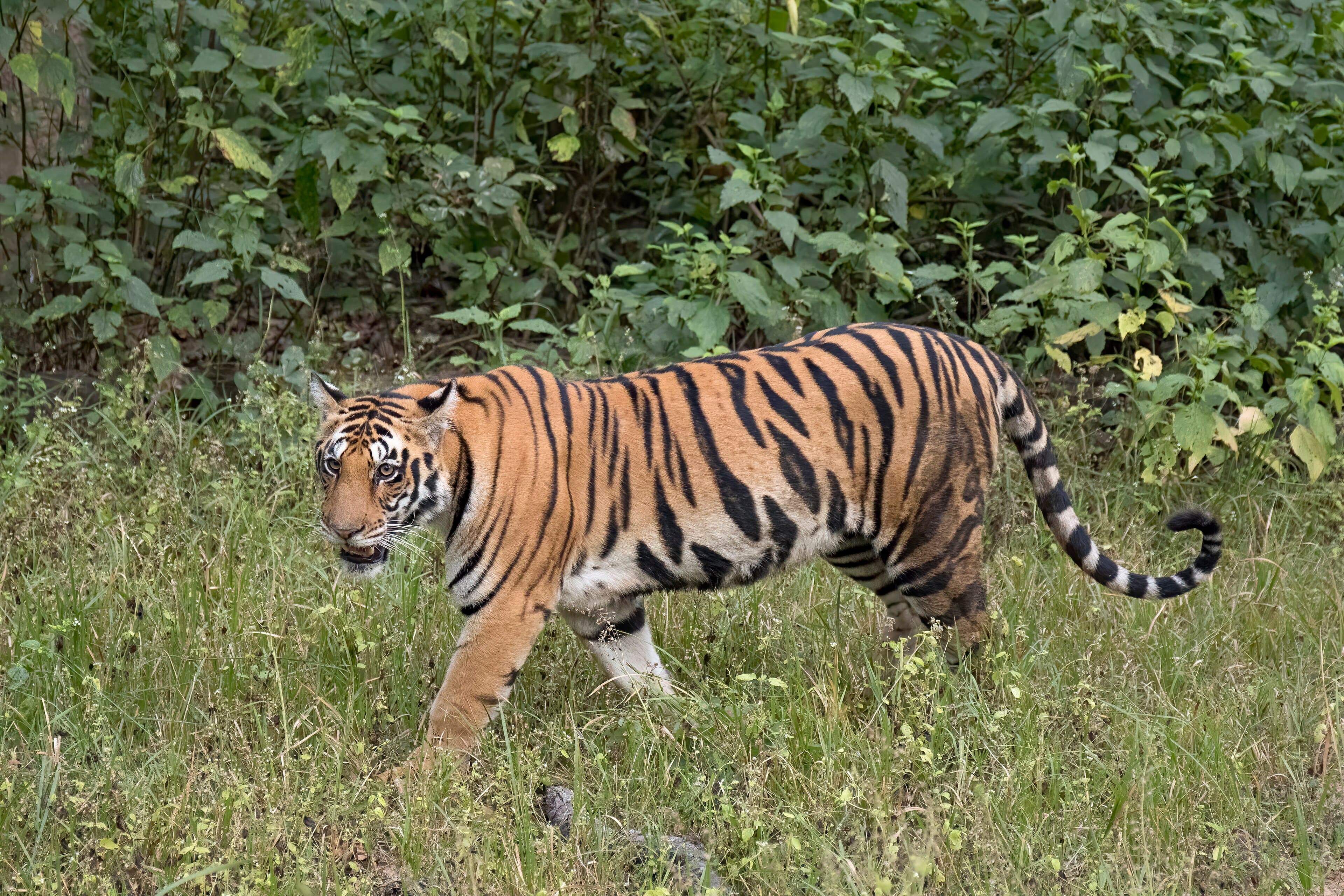
A Bengal tigerPhoto: Charles J. Sharp · CC BY-SA 4.0

Bengal Tiger

Panthera tigris tigris

The park's reason for being — part of the Bardia–Banke tiger landscape.

Endangered
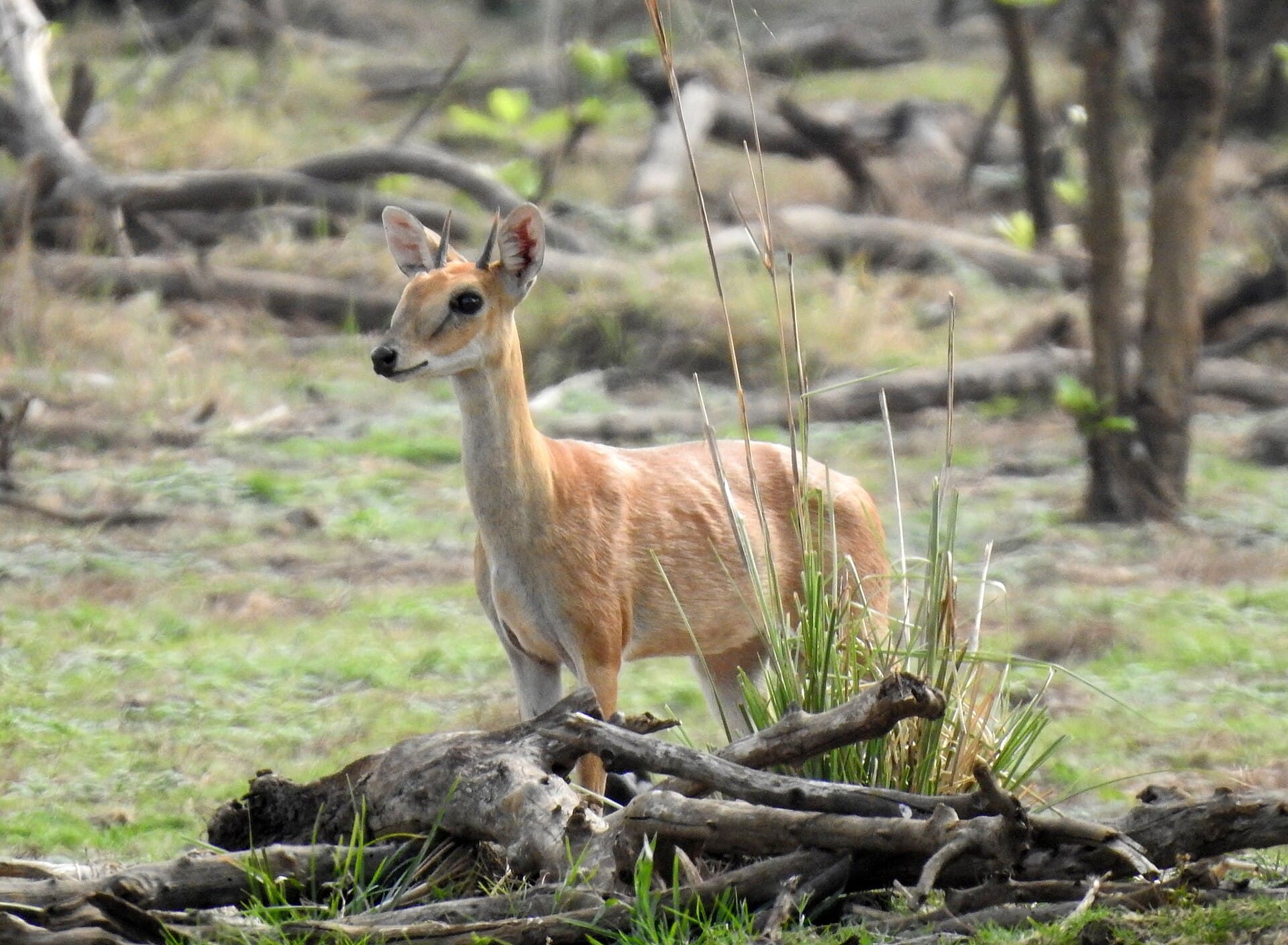
A four-horned antelopePhoto: Dr. Raju Kasambe · CC BY-SA 4.0

Four-horned Antelope

Tetracerus quadricornis

One of several protected species, alongside striped hyena.

Wild Asian elephantsPhoto: Sabina Bajracharya · CC BY-SA 4.0

Wild Elephant

Elephas maximus

Asian elephants move through the park and its corridors.

Endangered
Banke records around 300 bird species, 24 reptiles, 7 amphibians and 58 fish. Protected species include the giant hornbill, Bengal and lesser florican, black stork, gharial and python. Tharu communities live in and around the buffer zone.

Visiting

Nepal's newest Terai wilderness

Quiet and little-visited, Banke pairs naturally with a Bardiya safari.

Wildlife & safari

Jungle drives and walks in a quieter setting than the larger Terai parks.

Rivers

Boating on the Rapti and Babai rivers within the wider landscape.

Churia forests

Regenerating Sivalik forest, increasingly rich in wildlife.

Reached via Nepalgunj/Kohalpur in the mid-west. Facilities are developing; confirm current access and permits.

Reference

Facts at a glance

Location
Banke, Salyan & Dang districts, Lumbini Province
Area
550 km² + 344 km² buffer zone
Established
12 July 2010 — Nepal's 10th national park
Significance
'Gift to the Earth'; Bardia–Banke Tiger Conservation Unit
Nearest city
Kohalpur / Nepalgunj
IUCN category
II (National Park)

Administration

Park leadership

Each park is managed on the ground by a chief warden who reports into Nepal's Department of National Parks and Wildlife Conservation (DNPWC).

Chief warden
Pending DNPWC verification
Headquarters
Verify with DNPWC
Reports to
DNPWC, Ministry of Forests and Environment
Office-holders rotate regularly and are administered separately, so we do not publish unverified names. For how Nepal’s protected areas are governed, see DNPWC and protected-area administration.

Wildlife & Ecology

Nepal's 'Gift to the Earth' — Bardia's eastern tiger corridor

Banke is one of Nepal's youngest parks, gazetted on 12 July 2010 as the 10th national park and announced as a WWF 'Gift to the Earth'. Together with neighbouring Bardia it forms the 1,518 km² Bardia–Banke Tiger Conservation Unit, and the 2022 census recorded 25 tigers here. The park is quieter than Bardia, less developed for tourism, and still building a wildlife reputation around tiger, elephant, four-horned antelope and striped hyena.

Bengal tigerEndangeredPanthera tigris tigris · Bagh25 tigers in 2022 — part of the 1,518 km² Bardia–Banke Tiger Conservation Unit.

Banke's tigers are functionally part of a single Bardia–Banke population: animals move freely between the two parks across the contiguous Churia foothill forest.

Behaviour

Solitary, mostly nocturnal/crepuscular; uses the sal-forested Churia hills and the Babai and Rapti river corridors.

Diet

Chital, sambar, wild boar, hog deer. The 2024 carrying-capacity study found Banke's ungulate prey density at about 26 per km² — well below Bardia's 69 per km², which is why Banke holds a smaller tiger population.

Habitat in this park

Sal-dominated Churia (Siwalik) hills along the Rapti and Babai rivers.

Status & numbers

Nepal's 2022 national tiger survey recorded 25 tigers in Banke — the smallest of Nepal's five tiger-park populations, but a substantial increase from the small numbers (~10 or fewer) at the time of the park's 2010 gazetting. The 2024 carrying-capacity study modelled an ecological capacity of around 28 adult tigers, meaning Banke is now close to its current habitat ceiling.

Conservation story

Banke was gazetted specifically to extend Bardia's tiger landscape eastward, and the structural decision has paid off: tigers now use the full Bardia–Banke complex as one habitat block. The corridor onward to India's Suhelwa sanctuary makes this a transboundary tiger system.

Where to see it

Banke has minimal visitor infrastructure compared with Bardia; the realistic safari is a Bardia–Banke combination through Bardia's operators.

References (3)
Wild Asian elephantEndangeredElephas maximus · HattiResident herds — Banke is one of five Nepali parks with documented wild elephants.

Banke's elephants are part of the western-Terai population that also uses Bardia and the corridor to India's Suhelwa. They are listed among the park's five formally protected mammal species.

Behaviour

Matriarchal family groups; bulls more solitary; transboundary seasonal movements.

Diet

Grasses, bark, leaves, fruit; crop-raids in the buffer zone are an active management concern.

Habitat in this park

Sal forest, grassland and the Babai/Rapti river corridors.

Status & numbers

Endangered globally; park-specific count not published.

Where to see it

Encountered irregularly on guided safaris; sightings are not predictable.

References (1)
Striped hyenaNear ThreatenedHyaena hyaena · HudarSouth Asia's quiet scavenger — Banke is one of six Nepali protected areas where it's been confirmed.

A medium-sized, sloping-backed hyena with a striking black-and-buff striped coat and an elongated dorsal crest. Largely scavenging, frequently misjudged as aggressive — but in fact one of South Asia's most cautious large carnivores.

Behaviour

Strictly nocturnal; solitary or in small family groups; ranges widely.

Diet

Carrion, bones (its powerful jaws crack what other scavengers cannot), occasional small prey and fruit.

Habitat in this park

Open scrub and dry sal forest; uses old burrows or rocky outcrops as dens.

Status & numbers

Near Threatened globally. Listed among Banke's five formally protected mammal species, along with pangolin, four-horned antelope, Asian elephant and Bengal tiger.

Conservation story

The first confirmed striped-hyena den in Nepal was documented in this western-Terai landscape (2017) — a sign that Banke's protected mosaic is now ecologically functional for the species.

Where to see it

Effectively impossible to see; documented mainly through camera trapping.

References (1)
Four-horned antelopeVulnerableTetracerus quadricornis · ChausinghaThe only bovid with four horns — present in just four Nepali parks, of which Banke is one.

A small, slim, sal-forest antelope; males uniquely carry two pairs of horns (front pair small, rear pair larger).

Behaviour

Solitary or in pairs; shy and crepuscular.

Diet

Grasses, leaves, fruit and flowers.

Habitat in this park

Sal forest understorey of the Churia hills.

Status & numbers

Vulnerable globally. Past studies record the species in Nepal only at Parsa, Chitwan, Bardia and Banke — Banke is the western anchor of that range.

Where to see it

Rare and shy; the chance is essentially the same as in Bardia.

References (1)
Chinese pangolinCritically EndangeredManis pentadactyla · SalakListed among Banke's five protected mammal species; the world's most-trafficked mammal.

A small, scaly, ant-eating mammal whose keratin scales drive massive illegal wildlife trade across South and East Asia.

Behaviour

Solitary, nocturnal, burrowing; rolls into an armoured ball when threatened.

Diet

Almost exclusively ants and termites, taken with a long sticky tongue.

Habitat in this park

Forested ground of the Churia hills.

Status & numbers

Critically Endangered globally. Documented as a protected resident of the park, with population figures not reliably published.

Conservation story

Pangolins are the most-trafficked mammals on Earth — the species' presence in Banke makes anti-poaching work on the park's edges as important as the tiger story.

Where to see it

Effectively impossible to see; encounters are very rare.

References (1)

Other notable mammals

  • Leopard · Panthera pardusVulnerableResident — uses the same forest as the tiger.
  • Sloth bear · Melursus ursinusVulnerablePresent in the sal forest.
  • Gaur · Bos gaurusVulnerablePresent in small numbers in the Churia hills.
  • Ruddy mongoose, jungle cat, jackal, wild boarBanke's mid-sized mammal community. A ruddy mongoose was first recorded in the park in 2014 — a small example of how recently this park's checklist is being filled in.

Birds

More than 300 bird species have been reported. The list is still developing — the park has been gazetted only since 2010 — but already includes the great hornbill, Bengal and lesser florican and black stork.

  • Great hornbill · Buceros bicornisVulnerableA spectacular forest bird sometimes used as a Banke flagship.
  • Bengal florican · Houbaropsis bengalensisCritically EndangeredGrassland bustard — among Asia's rarest birds.
  • Black stork · Ciconia nigraVisiting wader of the Rapti and Babai.
References (1)

Reptiles & fish

About 24 reptile species, 7 amphibians and 58 fish recorded across the Rapti and Babai systems.

  • Reptiles & fish of the Rapti–Babai24 reptile species, 7 amphibians and 58 fish — including the larger carps that occur throughout the western-Terai river network.
References (1)

Flora & vegetation zones

About 124 recorded plant species so far, including 113 trees, 107 herbs and 85 shrubs and climbers. Sal is the dominant tree, with axlewood (Anogeissus latifolia) and khair (Acacia catechu) on more open ground.

Sal forest
Shorea robustaThe dominant cover across the Churia hills.
Axlewood–khair scrub
Anogeissus latifolia, Acacia catechuDrier, more open patches of the Siwaliks.
Riverine forest & grassland
Acacia catechu, Dalbergia sissooLines the Babai and Rapti.
References (1)

Places of interest

  • Churia (Siwalik) rangeThe geological backbone of the park — Banke is one of the most Churia-dominated Nepali parks.
  • Rapti River (south) and Babai River (north)The two rivers that frame the park's wildlife corridors with Bardia and India's Suhelwa.
  • Kamdi corridorThe transboundary forest corridor between Banke and India's Suhelwa Wildlife Sanctuary — keeps the western Terai tiger landscape connected.
  • Bardia–Banke Tiger Conservation UnitRoughly 1,518 km² of contiguous protected forest — Banke's most important conservation context.
References (1)

Species pages

Read the full conservation story

Long-form, sourced editorial on the species this park protects — their populations, their recoveries, the policy and the science behind them.

Plan Your Visit

For international visitors

Practical context for visitors arriving from another country — how to get here, how long to stay, what you'll actually see, and whether this park fits the trip you have in mind.

From Kathmandu

Banke is the small Terai park east of Bardiya — established in 2010 specifically to extend Bardiya's tiger habitat. It's a niche choice for international visitors, almost always added as an extension to a Bardiya stay rather than visited standalone. Air access is via Nepalgunj (about a 1-hour flight from Kathmandu), then about 1.5 hours by road east toward Kohalpur.

Why this park

Banke and Bardiya together form the Banke-Bardiya tiger landscape — a single ecological unit, gazetted as two parks for administrative reasons. Tigers move between them. For a visitor seriously interested in tiger conservation policy and landscape-scale habitat, Banke makes sense; for a casual safari traveller, it adds little that Bardiya doesn't already offer better.

When to come

October to April, same as the rest of the Terai. Tiger-tracking peaks in February through April. The monsoon (Jun–Sep) makes most of the park inaccessible.

How long to stay

Minimum useful visit
1 night / 2 days. Banke is light on visitor infrastructure — a single overnight is the usual visit, typically combined with a longer Bardiya stay. A day-trip from Bardiya is also feasible.
Ideal length
2 nights as a Bardiya extension. Two nights gives time for jeep and walking sessions in Banke's forest corridor and a Karnali-fringe day, without making it the headline park of the trip.

What you'll actually see

Banke is a forest-corridor park first, a destination park second. The wildlife list largely overlaps Bardiya's, with lower visitor density and noticeably thinner infrastructure.

Realistically expect

  • Sal forest and riverine ecosystem along the Rapti and Babai rivers
  • Chital, sambar, hog deer and wild boar — the tiger's prey base
  • Wild Asian elephant (cross-border herds from Bardiya)
  • Hundreds of bird species shared with Bardiya's wider landscape
  • Quiet forest tracks with virtually no other vehicles

Possible but not reliable

  • Bengal tiger — present and breeding in low numbers; sightings rare
  • Leopard (forest edge)
  • Sloth bear (more common than tiger sightings)
  • Gangetic dolphin in the Babai during high water

Season note. February to April is the dry hot window favoured by tiger-trackers; October and November are cooler and more comfortable for general game-driving.

Practical realities

From Kathmandu
Air: about a 1-hour domestic flight from Kathmandu to Nepalgunj, then about a 1.5-hour drive east toward the Kohalpur–Banke corridor. Road: the full overland journey from Kathmandu is roughly 12–14 hours.
When it's open
Open year-round on paper. In practice, monsoon (Jun–Sep) makes most of the park's interior inaccessible — rivers run high, jeep tracks wash out. Visiting is concentrated October to April.
Accommodation
Very limited — Banke has minimal dedicated lodge infrastructure of its own. Most international visitors stay at Bardiya (about an hour west) and visit Banke as a day or overnight excursion. We don't recommend specific properties.

Fees and permits

Banke's entry fee is not currently published on the Nepal Tourism Board's website, and we don't quote figures we can't verify against an official source. Confirm the current foreign / SAARC / Nepali fee structure directly with the DNPWC or the Nepal Tourism Board, or with your operator before booking. Banke is in the Terai, where parks are typically priced per day; assume similar structure to Bardiya but verify.

Other permits

  • No restricted-area permit required. Banke has no Nepal-wide restricted-area permit requirement beyond standard park entry.

Re-confirm before booking — Terai park fees have been adjusted in past years and not always announced widely.

Visit if…

  • You're seriously interested in the Banke-Bardiya tiger-landscape story and want to see the corridor first-hand
  • You're already at Bardiya for 5+ nights and want to extend rather than repeat
  • Crowd-free forest drives appeal more than developed-lodge comfort
  • You can spare a night in the February–April dry hot window
  • You're flexible on infrastructure and OK with very basic lodging

Skip if…

  • It's your first Nepal park — Chitwan or Bardiya are both substantially better single-stop choices
  • You only have a short Nepal trip
  • You want a wide selection of lodging or English-speaking infrastructure
  • You're hoping to see rhinos — Banke's population is negligible
  • You're travelling in the monsoon

Visitor Guide

Plan your visit

A quieter, developing Terai park and a vital tiger corridor beside Bardiya. Visitor infrastructure is still growing, so confirm details locally.

Places of Interest
  • Churia (Siwalik) range
  • Rapti River (south)
  • Babai River (north)
  • Kamdi corridor (to India's Suhelwa sanctuary)
Things to Do
  • Wildlife safari (jeep & walk)
  • River boating (Rapti/Babai)
  • Birdwatching
  • Nature photography
Trails & Tracks

Visitor infrastructure is still developing; access is by guided safari rather than marked self-guided trails.

Where you'll explore

  • Churia forest tracks
  • Riverine routes
Wildlife & Biodiversity

Flagship species

  • Bengal tiger (Bardiya–Banke unit)
  • Wild elephant
  • Four-horned antelope
  • Striped hyena

Around 300 bird species, including the giant hornbill, Bengal and lesser florican and black stork; gharial and python among 24 reptile species, with 58 fish species and around 34 mammals.

Endangered species

  • Bengal tiger (Endangered)
  • Asian elephant (Endangered)
Flora & Plant Life

Forest types

  • Sal forest
  • Grassland
  • Riverine forest

Eight distinct ecosystem types across the Churia hills and Terai mosaic.

Accommodation & Camping

Access via

  • Kohalpur / Nepalgunj

Types

  • Limited — developing
  • Buffer-zone community options

Specific lodge names and availability. Fees, hours and operators change — confirm current details with the DNPWC and Nepal Tourism Board before travelling.

Visitor Information
Best time
Oct–Apr
Weather
Subtropical monsoon — summer, monsoon and winter

Entry fees and opening hours. Fees, hours and operators change — confirm current details with the DNPWC and Nepal Tourism Board before travelling.

Regulations

  • Guided access

Safety

  • Big game present
Maps & Navigation
Approx. location
28.19°N, 81.91°E
Gateway
Via Kohalpur / Nepalgunj
Nearest access
Kohalpur / Nepalgunj

Transport details and visitor-centre information. Fees, hours and operators change — confirm current details with the DNPWC and Nepal Tourism Board before travelling.

Cultural & Historical

Tharu communities, alongside Brahmin, Chhetri, Magar, Tamang, Majhi and Gurung people in the buffer zone.

Established on 12 July 2010 as Nepal's tenth national park and recognised as a 'Gift to the Earth'; managed with Bardiya as the roughly 1,518 km² Bardiya–Banke Tiger Conservation Unit.

Events & Experiences

Guided experiences

  • Wildlife safaris
  • River boating
  • Tharu cultural experiences (buffer zone)

Specific tour operators. Fees, hours and operators change — confirm current details with the DNPWC and Nepal Tourism Board before travelling.

Banke National Park

Explore more of Nepal's parks

Thirteen parks, one extraordinary country.