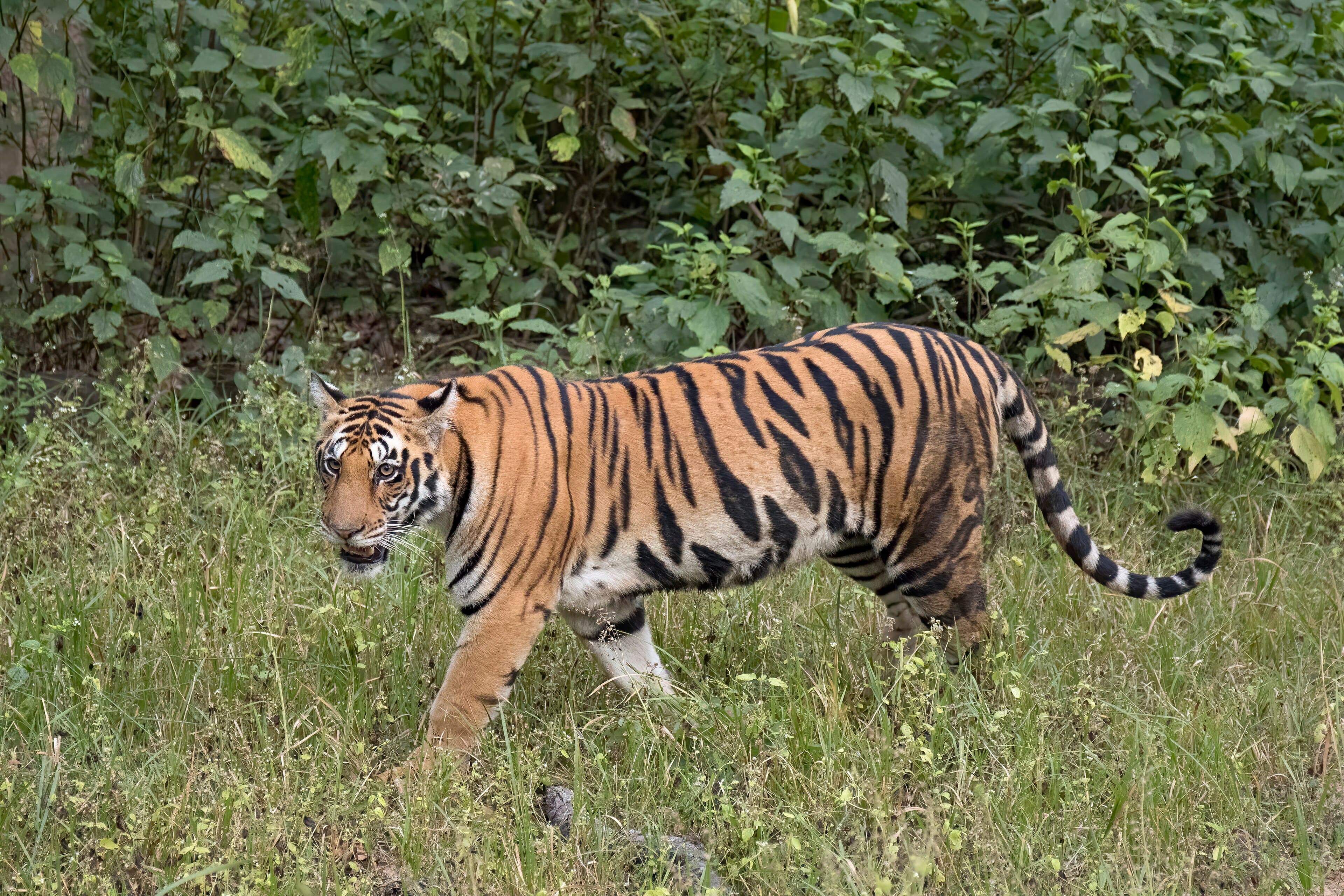
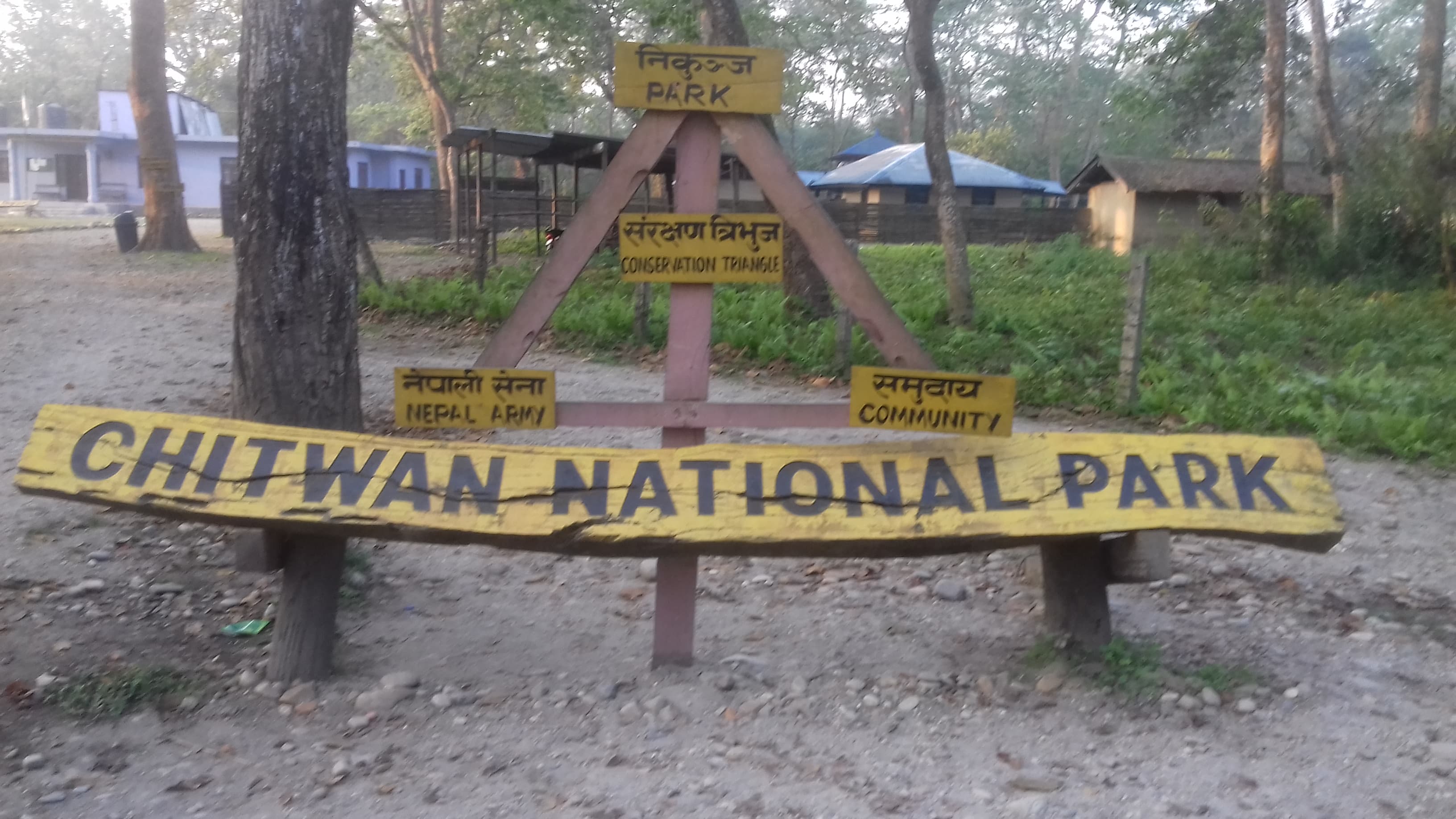
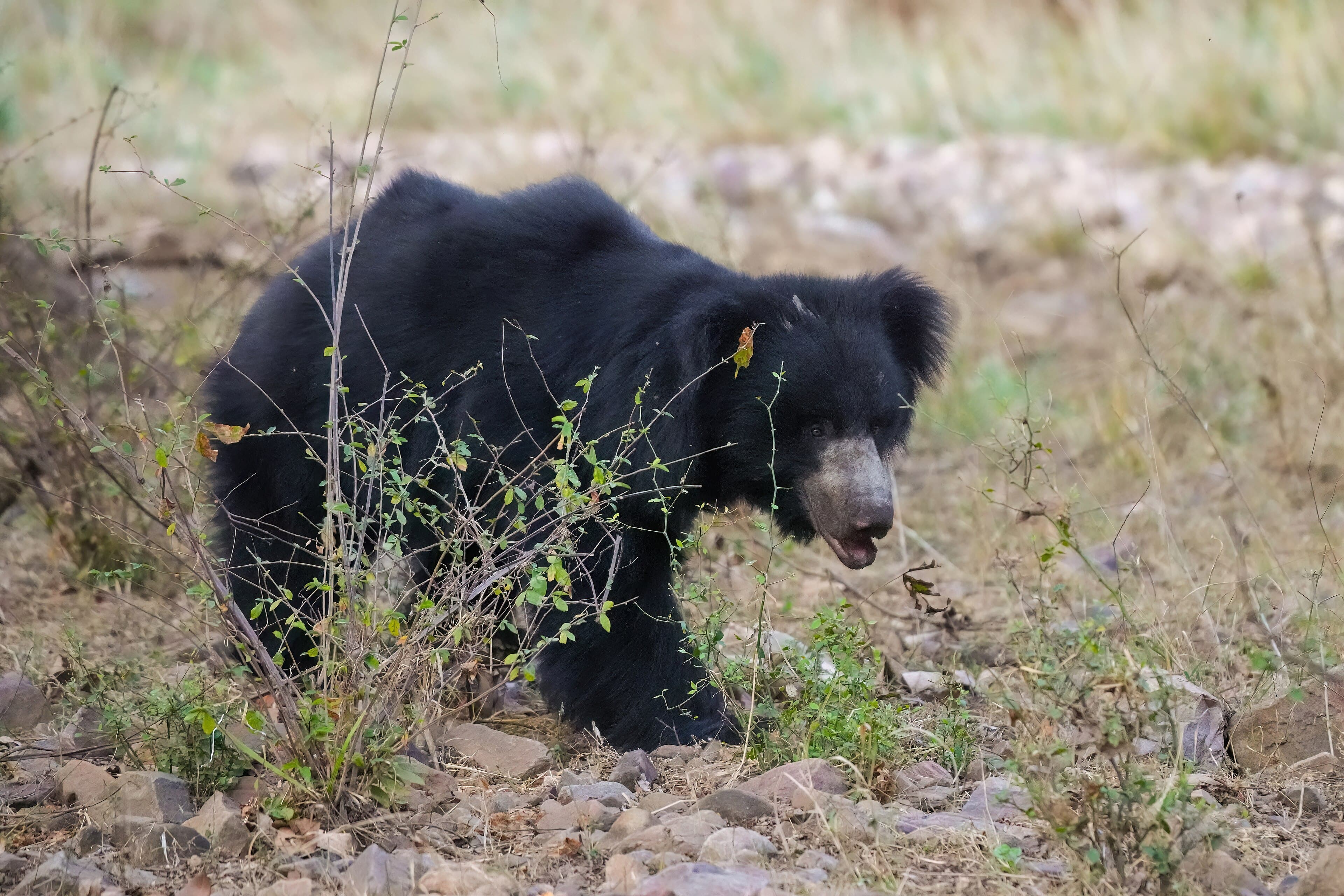
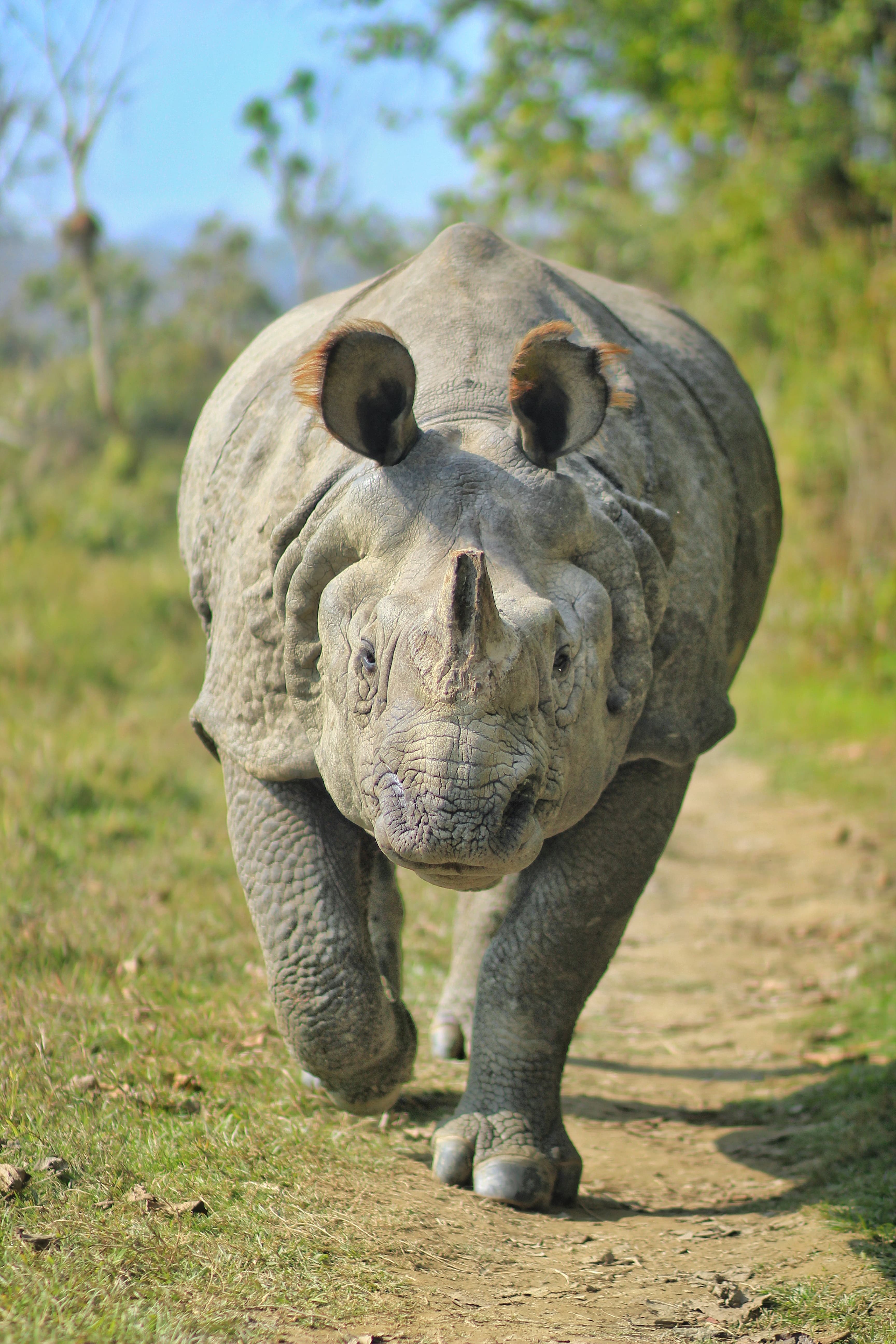
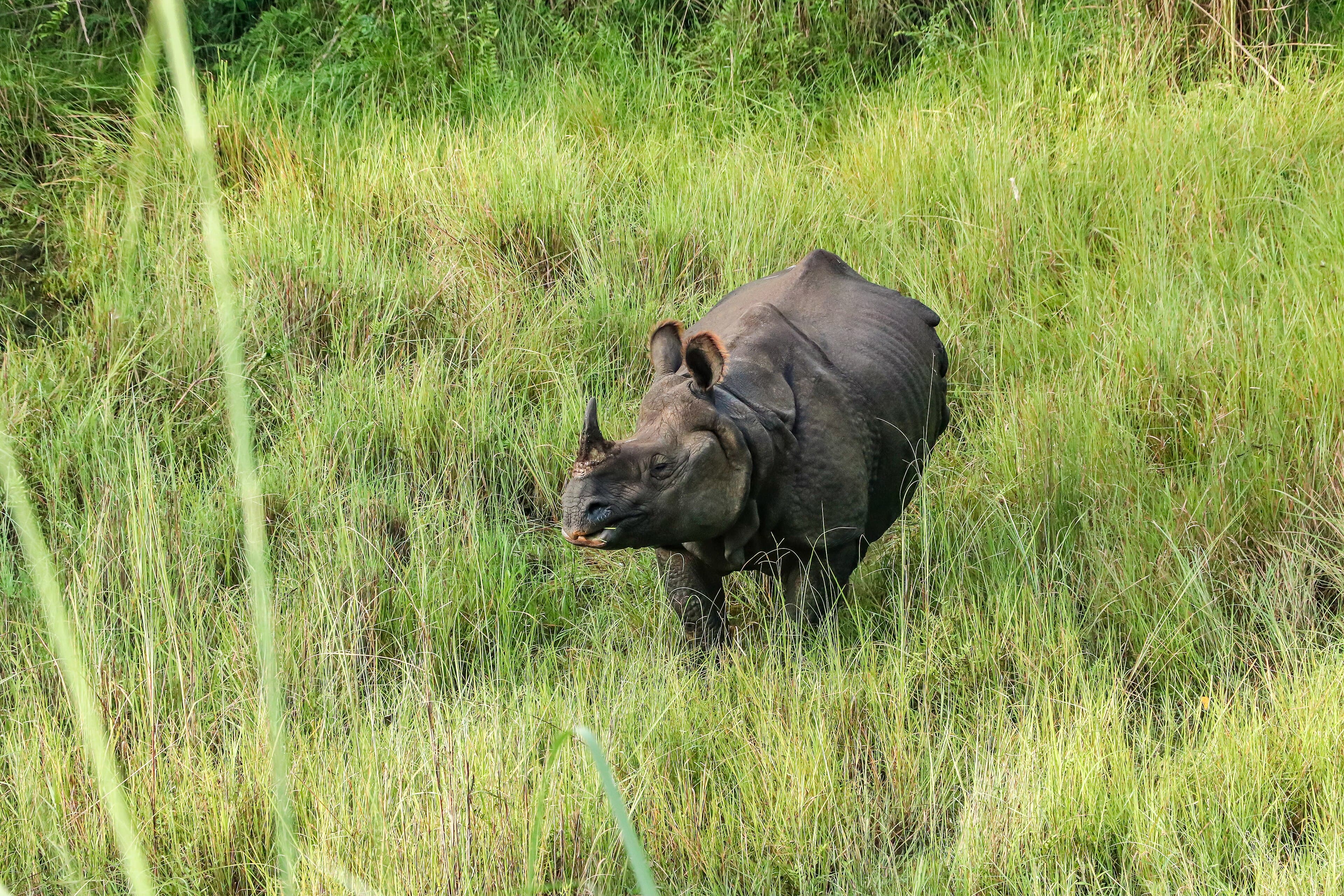
Parsa's tigers are functionally part of the Chitwan tiger population — the two parks form a single, contiguous protected block, and movement between them is regular. The growth here is mostly the spillover from Chitwan's much larger, denser population.
Behaviour
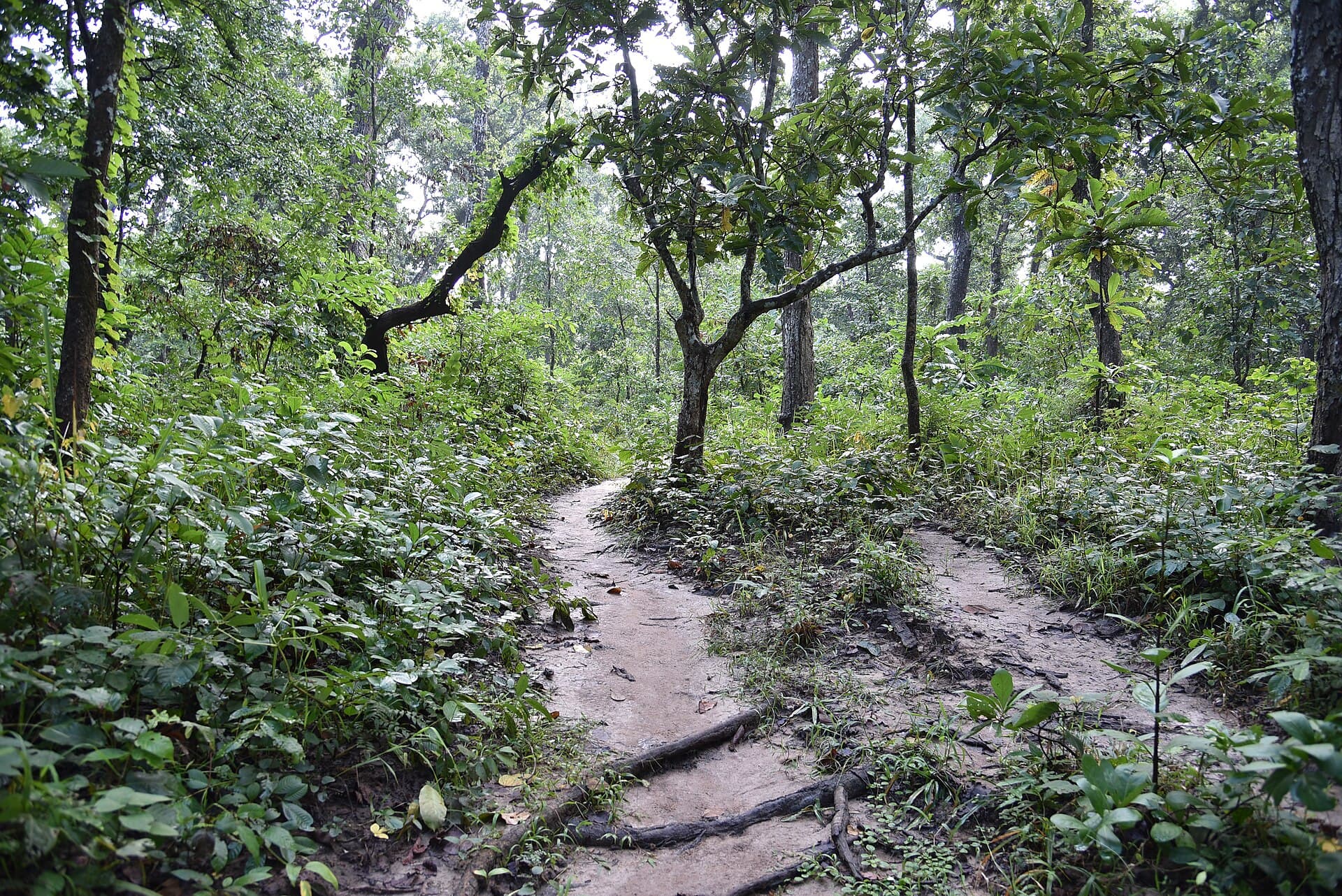
Solitary and crepuscular; uses the deep sal forest of the Siwalik foothills and the river corridors shared with Chitwan.
Diet
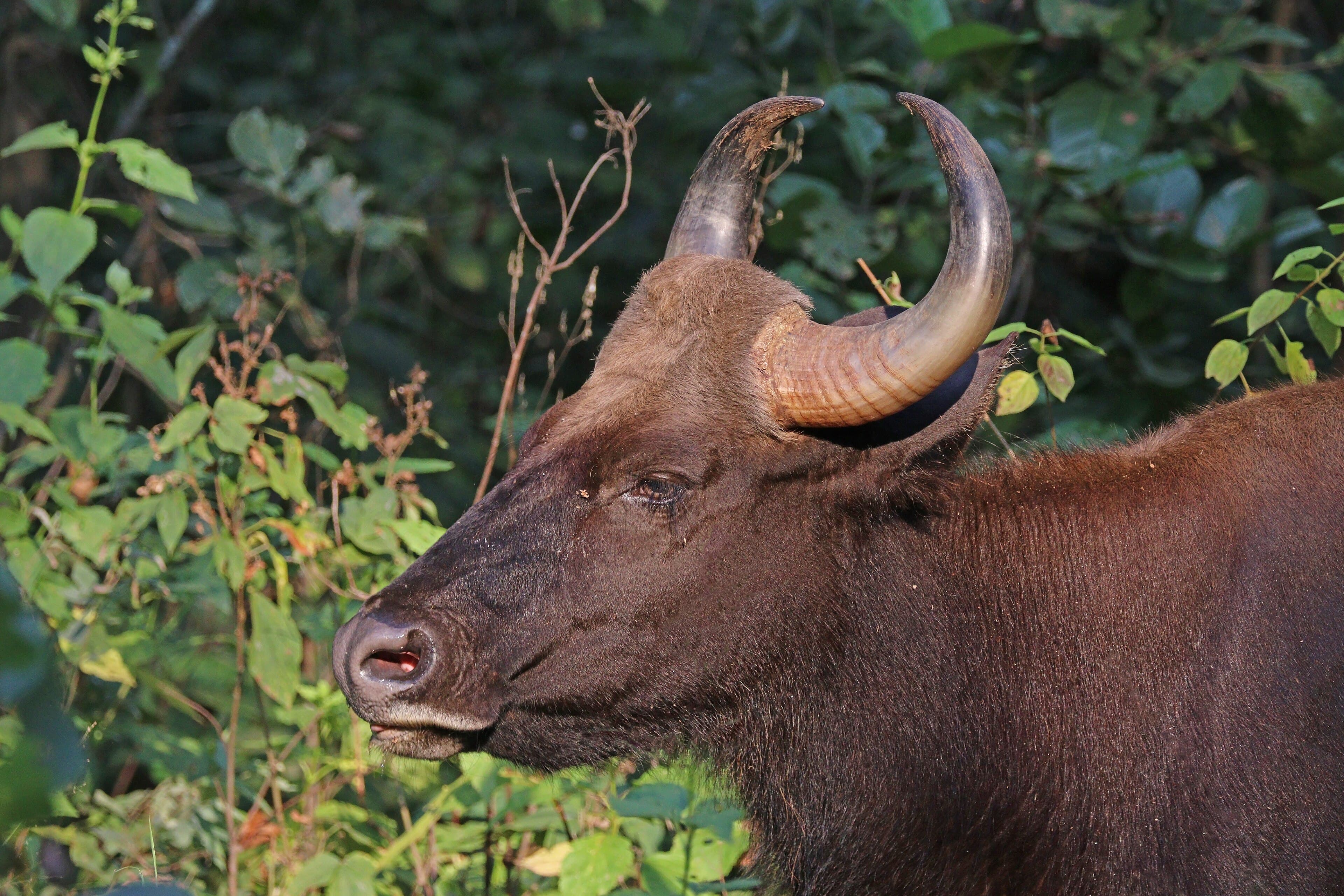
Chital, sambar, wild boar, hog deer; gaur where they're present.
Habitat in this park
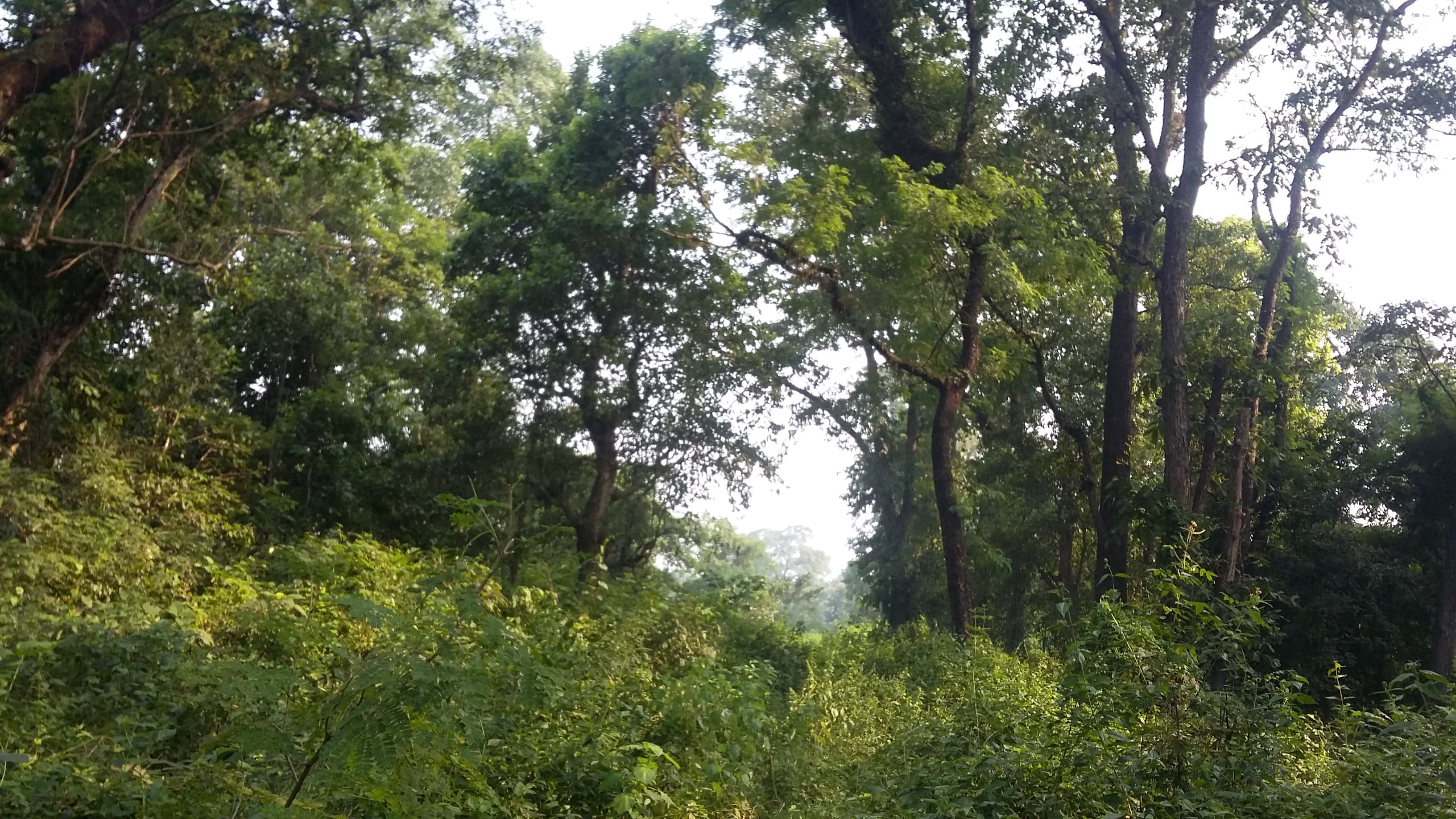
Sal forest of the Churia (Siwalik) range, with grassland and riverine forest along the shared Rapti corridor.
Status & numbers
Nepal's 2022 national tiger survey recorded 41 tigers in Parsa, behind Chitwan (128) and Bardia (125) but ahead of Shuklaphanta (36) and Banke (25). A 2017 camera-trap study had documented 19 — the growth tracks the wider national doubling story.
Conservation story
Parsa's expansion is the structural reason tigers in central Nepal have room to grow: scaling the reserve to national-park status in 2017 and adding 128 km² in 2015 extended Chitwan's effective tiger habitat by roughly two-thirds. The Chitwan–Parsa–Valmiki Tiger Conservation Unit spans Nepal and India and totals roughly 3,549 km².
Where to see it
Less developed for tourism than Chitwan; guided jeep safaris from the Hetauda side give the best (still modest) odds.
References (2)