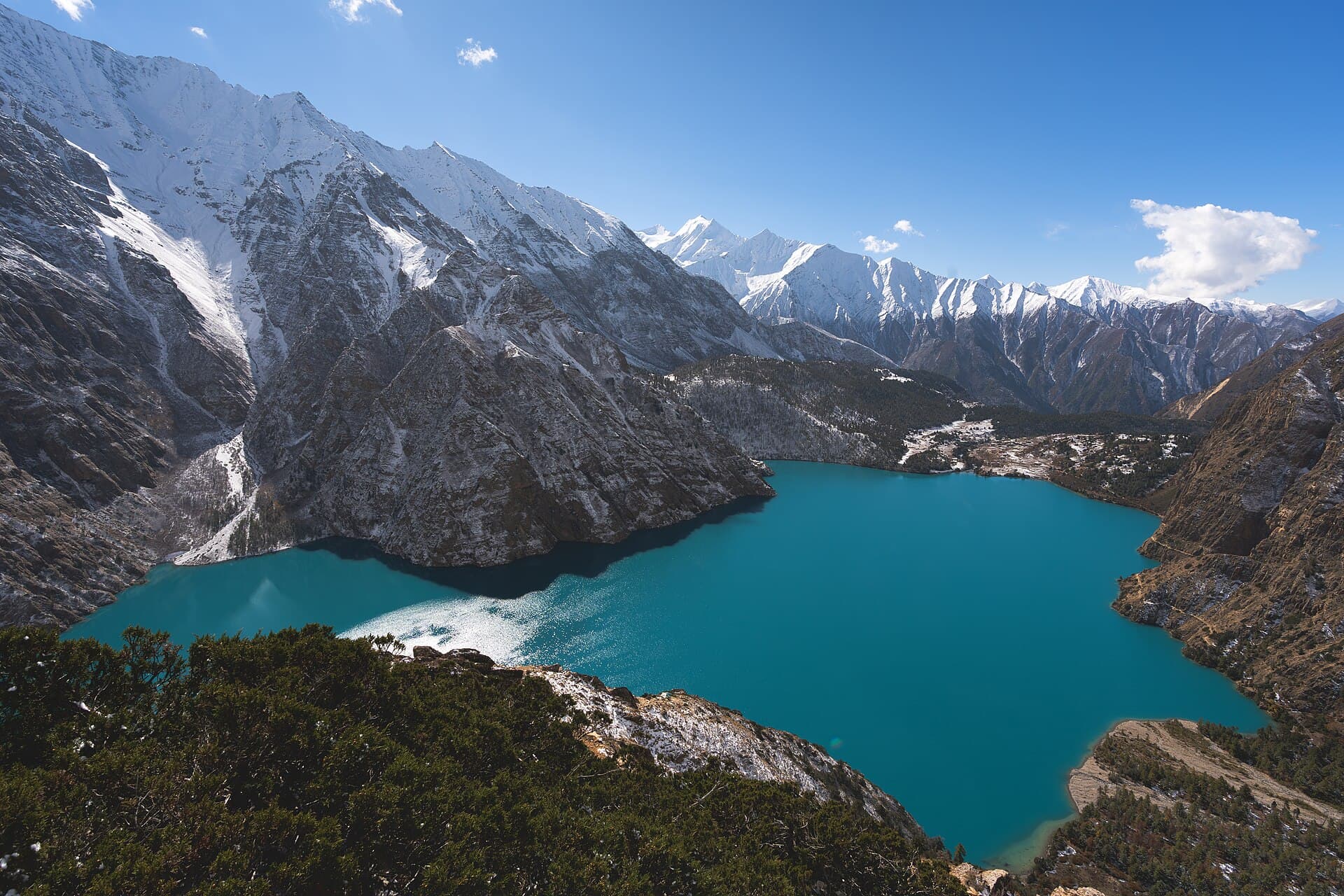
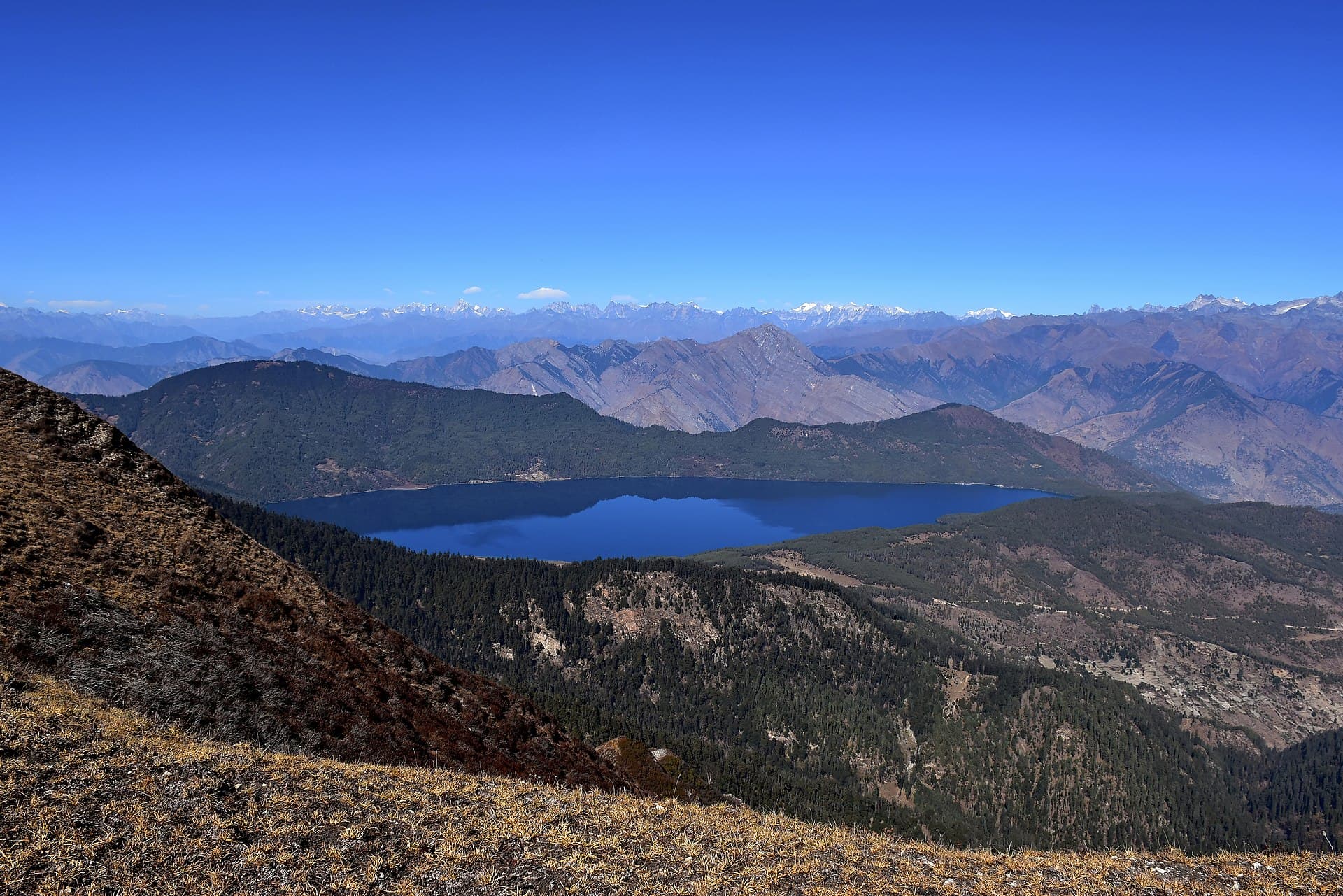
Remote trans-Himalayan landscape in the Mugu regionPhoto: Carsten.nebel · CC BY-SA 3.0

National Parks / Mountain / Chhayanath

Est. 2025 · Nepal's 13th & newest park

Chhayanath

Nepal's newest national park, established in 2025 — a remote trans-Himalayan wilderness in Mugu, near the Tibetan border, and a fresh refuge for the snow leopard.

843
km² area
2025
Established
13th
National park
Mugu
Karnali Province

Established on 29 August 2025, Chhayanath is the 13th and newest national park of Nepal — a high trans-Himalayan landscape in the Mugu district of Karnali Province, near the border with Tibet.

It covers approximately 843.36 km², with a buffer zone of 177.37 km². The park was carved out of what was previously part of Shey Phoksundo National Park, and is named after the Chhayanath temple in Chaingaun, near Gamgadhi. It protects some of the most untouched and remote landscapes in the country.

As a very recently established park, detailed published information is still limited; the summary below draws on the available record and will deepen as the park is documented.

Stark trans-Himalayan mountains in MuguPhoto: Carsten.nebel · CC BY-SA 3.0

The Landscape

Untouched trans-Himalaya

Lying near the Tibetan border in remote Mugu, Chhayanath encompasses rugged, high-altitude trans-Himalayan terrain — a landscape of stark mountains, high valleys and some of Nepal's least-disturbed wilderness, formerly within the Shey Phoksundo protected area.

Wildlife

High-Himalayan species

The park shelters endangered and protected animals adapted to the harsh high country.

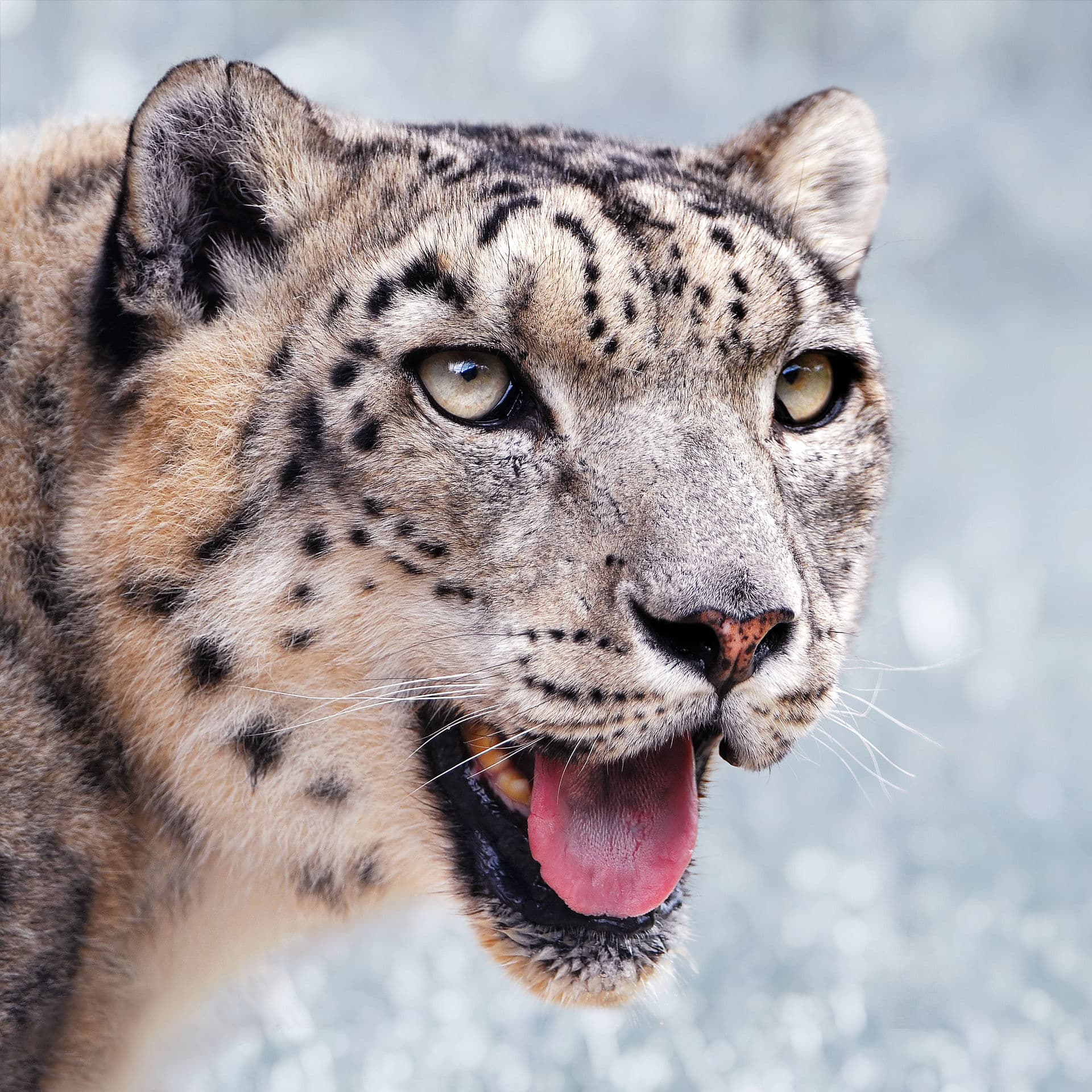
A snow leopardPhoto: Tambako The Jaguar (edit by Niabot) · CC BY-SA 2.0

Snow Leopard

Panthera uncia

The iconic predator of the Himalayan heights.

Vulnerable
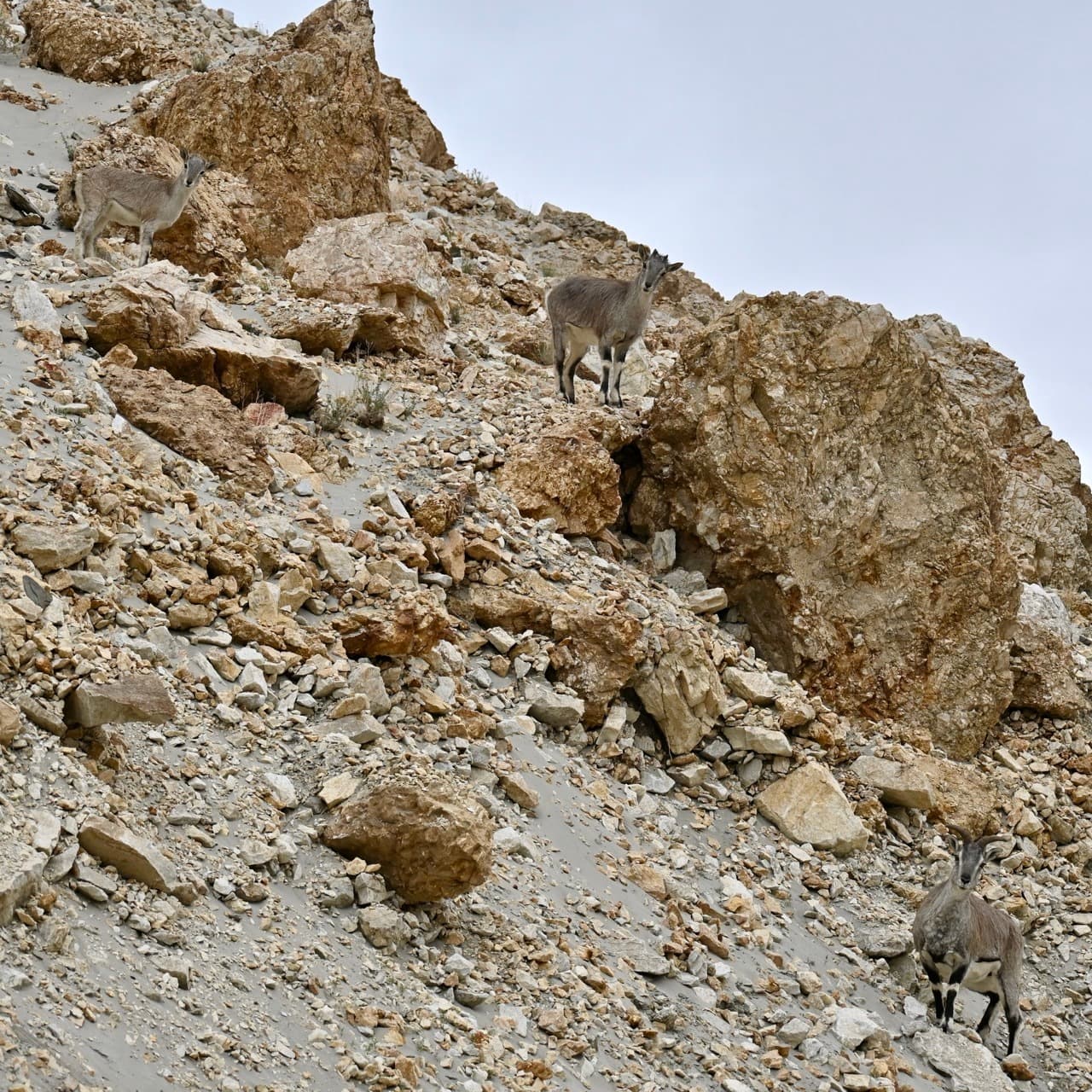
Blue sheep on a slopePhoto: stli_ · CC BY 4.0

Blue Sheep

Pseudois nayaur

The bharal grazes the high slopes — key snow leopard prey.

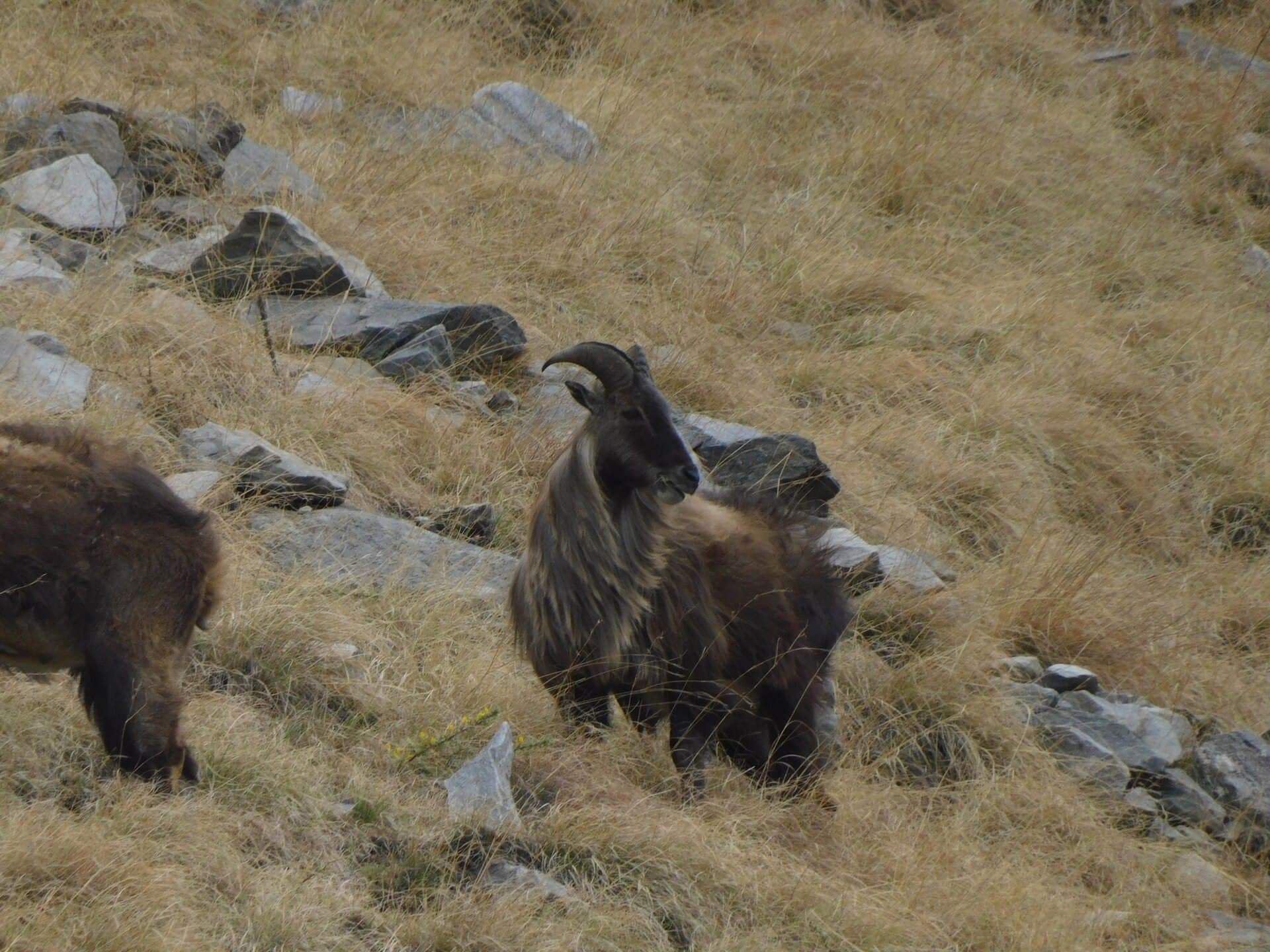
A Himalayan tahrPhoto: Jagdish Singh Negi · CC BY 4.0

Tibetan Wild Ass & Tahr

Equus kiang · Hemitragus

Among the high-altitude species recorded in the park.

As a newly gazetted trans-Himalayan park bordering Tibet, Chhayanath is expected to be an important refuge for snow leopards and other high-mountain wildlife. Fuller species inventories will follow as research develops.

Visiting

A new frontier

Chhayanath is newly established and remote; visitor infrastructure is nascent.

Remote highlands

Untouched trans-Himalayan scenery near the Tibetan border.

Gamgadhi gateway

The nearest town is Gamgadhi in Mugu; access is remote and limited.

Check ahead

As a brand-new park, rules and access are still being established — verify locally.

This is Nepal's newest park (2025); facilities and regulations are still developing. Treat details as provisional and confirm current information before any visit.

Reference

Facts at a glance

Location
Mugum Karmarong, Mugu district, Karnali Province
Area
~843.36 km² + 177.37 km² buffer zone
Established
29 August 2025 — Nepal's 13th national park
Origin
Formerly part of Shey Phoksundo National Park
Named after
Chhayanath temple, Chaingaun near Gamgadhi
IUCN category
II (National Park)

Administration

Park leadership

Each park is managed on the ground by a chief warden who reports into Nepal's Department of National Parks and Wildlife Conservation (DNPWC).

Chief warden
Pending DNPWC verification
Headquarters
Mugum Karmarong, Mugu
Reports to
DNPWC, Ministry of Forests and Environment
Office-holders rotate regularly and are administered separately, so we do not publish unverified names. For how Nepal’s protected areas are governed, see DNPWC and protected-area administration.

Wildlife & Ecology

Nepal's newest national park — under construction

Chhayanath is the youngest of Nepal's national parks: gazetted on 29 August 2025 by carving roughly 843 km² out of the eastern flank of Shey Phoksundo, plus a 177 km² buffer zone. It exists chiefly to give Mugu's Dolphu and Mugum Karmarong communities a closer protected area to manage. Wildlife inventories are still being built; what's published so far is the headline that this is snow-leopard country, and that the ecosystems are the same trans-Himalayan habitats that defined the parent park.

Snow leopardVulnerablePanthera uncia · Hiun chituwaThe park's headline species — identified as an important snow-leopard habitat at the time of gazetting (2025).

The trans-Himalayan apex predator. The Chhayanath landscape was identified as significant snow-leopard habitat in the documentation supporting its creation in 2025.

Behaviour

Solitary, crepuscular, vast home ranges across broken alpine terrain.

Diet

Blue sheep and other ungulates of the trans-Himalayan zone.

Habitat in this park

High-altitude broken terrain across the new park's area.

Status & numbers

Vulnerable globally. The 2019–22 spatial-capture-recapture study of the parent park (Shey Phoksundo) modelled around 90 snow leopards at 2.21 per 100 km² — but that survey covered the full pre-2025 boundary, so what proportion of those animals now sit inside the new Chhayanath boundary is not yet broken out in a published source.

Conservation story

Chhayanath's creation was driven as much by local community access as by ecology: residents of Dolphu had previously needed to travel nearly a week on foot to reach Shey Phoksundo's offices. Giving the area its own park is intended to bring management and benefit-sharing closer to home.

Where to see it

Effectively impossible to see directly — and the park has essentially no visitor infrastructure yet.

References (1)
Other notable mammals

  • Blue sheep, Himalayan tahr, musk deer, Himalayan wolfAll trans-Himalayan species recorded across the wider Mugu / Upper Dolpo landscape; species-specific Chhayanath inventories have not yet been published.

Flora & vegetation zones

The published descriptions cover 'alpine forests, high-altitude pastures, glacial rivers and rugged mountain terrain'. Detailed inventories will likely follow the park's first management plan.

Trans-Himalayan high-altitude vegetation
Sparse caragana scrub, dwarf juniper, alpine grassesCarved out of the eastern Shey Phoksundo trans-Himalayan zone — the same vegetation type as Upper Dolpo.
References (1)

Places of interest

  • Mugum Karmarong (Mugu district)The rural municipality the park primarily serves — Mugum Karmarong-1 is the administrative base.
  • Dolphu regionCommunities formerly inside Shey Phoksundo for management purposes — now inside Chhayanath, with much shorter travel to the park office.
  • Trans-Himalayan terrain near the Tibet borderThe eastern flank of the old Shey Phoksundo area — the landscape the park inherits.
References (1)
This park's deep content is intentionally concise — public documentation is limited and we've chosen to flag this honestly rather than pad the page. Wildlife inventories, visitor infrastructure and management plans are all still being developed. A site-owner spot-check is recommended before publishing any further detail; the brief explicitly instructs not to invent depth here.

Species pages

Read the full conservation story

Long-form, sourced editorial on the species this park protects — their populations, their recoveries, the policy and the science behind them.

Plan Your Visit

For international visitors

Practical context for visitors arriving from another country — how to get here, how long to stay, what you'll actually see, and whether this park fits the trip you have in mind.

From Kathmandu

Chhayanath Rara is Nepal's newest national park — gazetted in 2025 by carving out the higher elevation zones of the Mugu and Humla districts adjacent to existing Rara National Park. International visitor infrastructure here is still developing. Approach is via the same route as Rara: Kathmandu → Nepalgunj → Talcha (small STOL aircraft), then onward overland. Independent visits without a Kathmandu-based operator are not yet practical.

Why this park

For visitors who already know Nepal well and want a frontier-park experience, Chhayanath Rara extends the trekking horizon north of Rara Lake into landscape that previously sat outside the protected-area network. The park's headline conservation value is snow-leopard habitat connectivity between Rara and the Tibetan border — a landscape-scale corridor rather than a tourist destination in its current state.

When to come

Trekking-window logic mirrors Rara: September–November and March–May. Outside those windows, the high terrain is snow-bound and Talcha flights are unreliable. Confirm any planned route with a registered operator who has on-the-ground knowledge of the new park.

How long to stay

Minimum useful visit
Not yet practical as a standalone visit. At this stage, Chhayanath is realistically visited as a high-altitude extension to a Rara trek rather than a destination in its own right. Plan for at least the same 6–8 day Rara baseline plus extra days.
Ideal length
10–14 days as a Rara + Chhayanath combined trek. A serious combined exploration with appropriate acclimatisation, supported by a registered trekking agency. Verify route status — some areas may not yet have permitted visitor access.

What you'll actually see

Chhayanath Rara is a frontier landscape park — visitor infrastructure is minimal and the experience is genuinely exploratory rather than guided-tour-ready.

Realistically expect

  • High-altitude trans-Himalayan landscape extending north from Rara Lake
  • Snow-leopard habitat (the cat itself remains essentially unseeable)
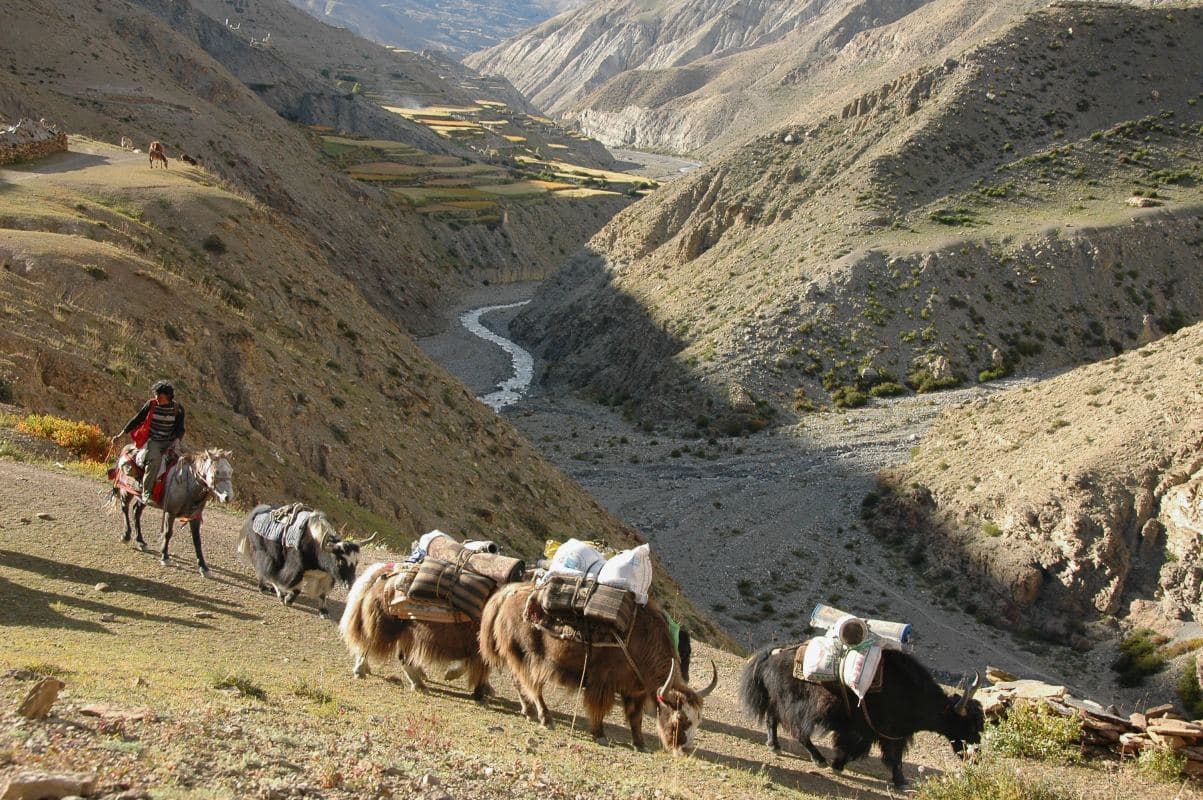
  • Yak and dzo pasture in summer; very small village settlements
  • Sparse subalpine forest at the lower edges

Possible but not reliable

  • Snow leopard — present in habitat terms but vanishingly rare to actually see
  • Tibetan wolf
  • Himalayan musk deer (heavily threatened)
  • Lynx (very rarely recorded)

Season note. Treat the entire visitor window as provisional and confirm route access with a registered operator before committing.

Practical realities

From Kathmandu
Same routing as Rara: Kathmandu → Nepalgunj → Talcha by air, then on foot. The further reaches require a registered trekking agency with current knowledge of the new park's permitted routes.
When it's open
Provisional. Treat the trekking window as spring (March–May) and autumn (September–November), but verify access before committing — the regulatory framework for the new park is still being established.
Accommodation
Camping support throughout, with the small handful of village stops along the Rara extension routes. There is no teahouse network. We don't recommend specific properties.

Fees and permits

Chhayanath Rara was gazetted in 2025 and has no published entry fee on the Nepal Tourism Board's website at the time of writing. Visitor access, permit structure and route status are still being established. Confirm everything directly with the DNPWC and a registered trekking agency before planning a visit — independent trekking is not currently practical.

This entire section will be updated when DNPWC publishes formal fee and access rules for the new park.

Visit if…

  • You already know Rara, want a frontier-style extension, and are working with a registered operator
  • Snow-leopard habitat connectivity and high-landscape conservation interest you intellectually, with no expectation of sightings
  • You're comfortable with camping, light infrastructure and changeable access rules
  • You have the time and budget for a 2-week supported trek with full provisioning
  • You can travel in spring or autumn and absorb Talcha flight delays

Skip if…

  • It's your first trip to Nepal — go to one of the established parks instead
  • You want a defined, well-documented itinerary
  • You're hoping for wildlife sightings — there is no realistic safari content here
  • You only have a week or two and need predictability in logistics
  • Cost or budget control is a primary concern — frontier supported logistics are expensive

Visitor Guide

Plan your visit

Nepal's newest national park, gazetted in 2025 in the remote trans-Himalayan far west. Documentation is still developing, so treat details as provisional and confirm locally.

Places of Interest
  • Chhayanath temple (Chaingaun, near Gamgadhi — the namesake)
  • Trans-Himalayan highlands near the Tibet border
  • Formerly part of Shey Phoksundo National Park
Things to Do
  • Remote highland trekking (developing)
  • Wildlife watching (snow leopard country)
  • Photography
Trails & Tracks

Newly established, with nascent visitor infrastructure — confirm everything locally before travel.

Difficulty
Strenuous; remote high country
Access
Very remote
Wildlife & Biodiversity

Flagship species

  • Snow leopard
  • Blue sheep
  • Tibetan wild ass (kiang)
  • Himalayan tahr

Endangered species

  • Snow leopard (Vulnerable)

Detailed bird and plant inventories are still being compiled for this newly gazetted park.

Flora & Plant Life

Vegetation

  • Trans-Himalayan high-altitude vegetation

Trans-Himalayan, with a Tibetan Plateau character. Fuller botanical surveys are still to come.

Accommodation & Camping

Access via

  • Gamgadhi (Mugu)

Types

  • Minimal; nascent

Accommodation options, which are minimal and still developing. Fees, hours and operators change — confirm current details with the DNPWC and Nepal Tourism Board before travelling.

Visitor Information
Best time
Spring & autumn (typical for the region)
Weather
Trans-Himalayan, arid and cold

Entry fees, regulations and opening arrangements (the park is newly established). Fees, hours and operators change — confirm current details with the DNPWC and Nepal Tourism Board before travelling.

Safety

  • Remote and high — acclimatise; minimal facilities
Maps & Navigation
Approx. location
29.60°N, 82.30°E (approx.)
Gateway
Via Gamgadhi, Mugu
Nearest access
Gamgadhi (Mugu)

Visitor-centre information (new park). Fees, hours and operators change — confirm current details with the DNPWC and Nepal Tourism Board before travelling.

Cultural & Historical

Home to the Mugum Karmarong / Mugu communities.

Sacred sites

  • Chhayanath temple, Chaingaun

Established on 29 August 2025 as Nepal's 13th national park (~843.36 km² plus a 177.37 km² buffer zone), carved from Shey Phoksundo National Park, near the Tibet border.

Events & Experiences

Tours and cultural programmes are still developing.

Operators and activities (new park). Fees, hours and operators change — confirm current details with the DNPWC and Nepal Tourism Board before travelling.

Trans-Himalayan Mugu

Explore more of Nepal's parks

Thirteen parks, one extraordinary country.