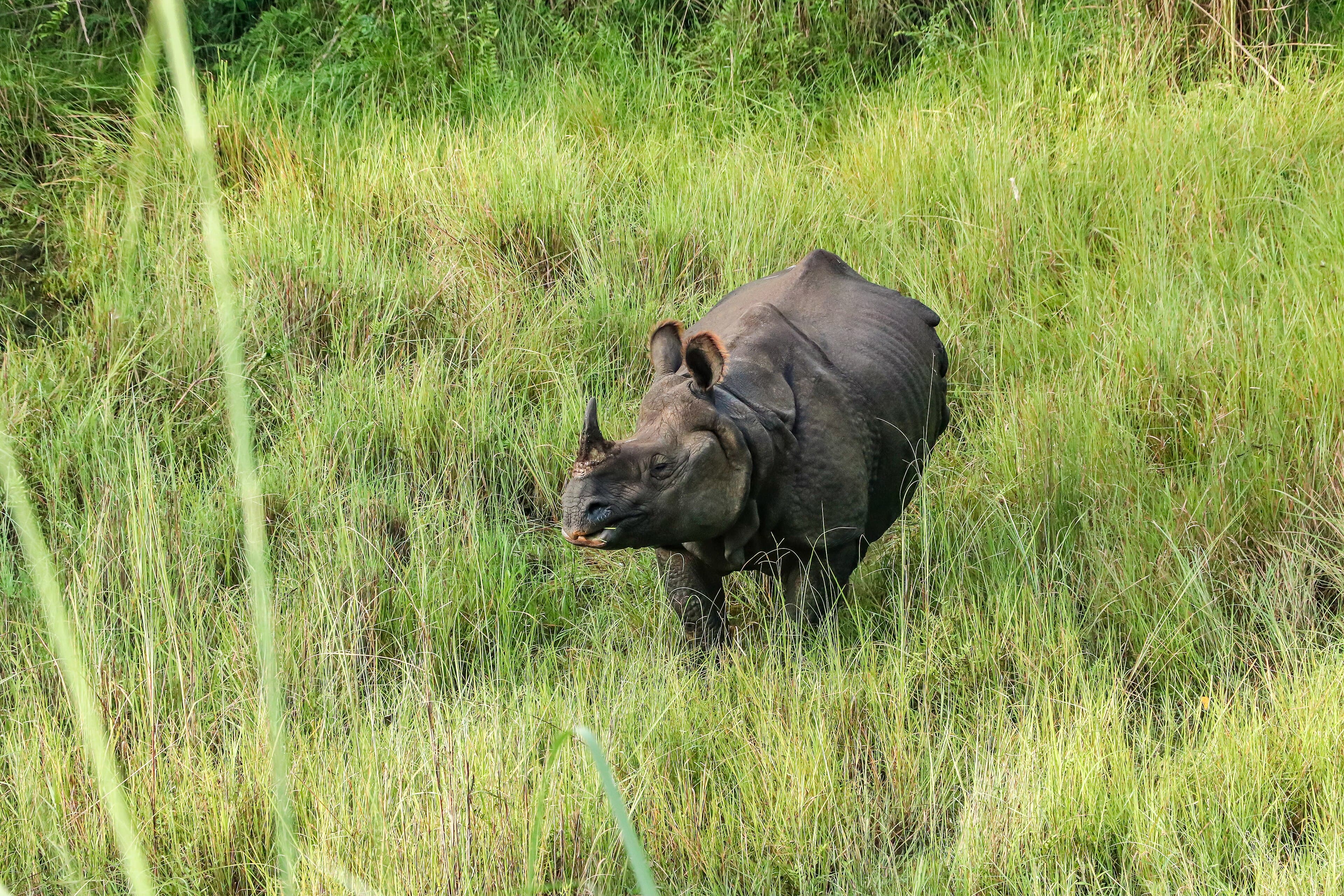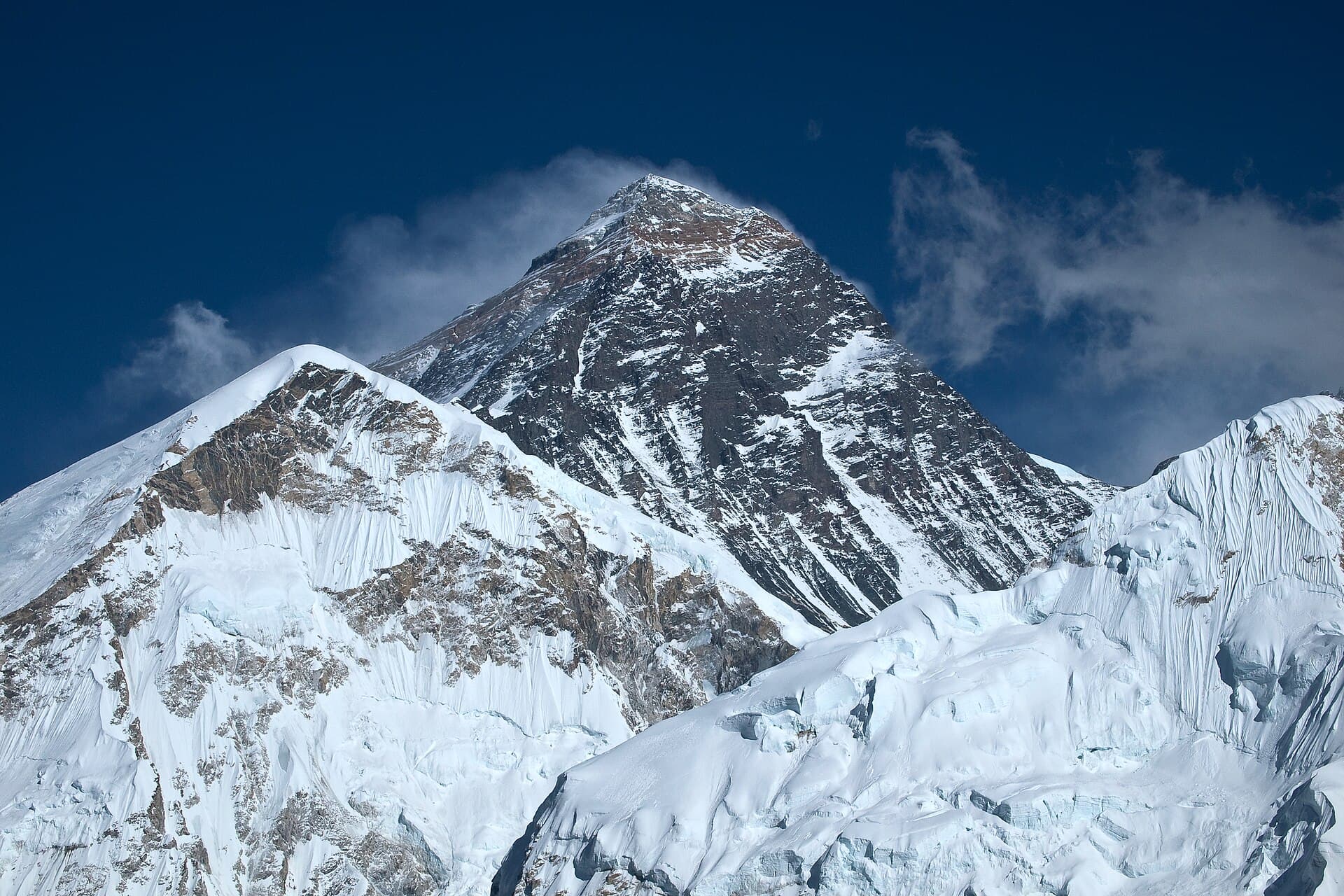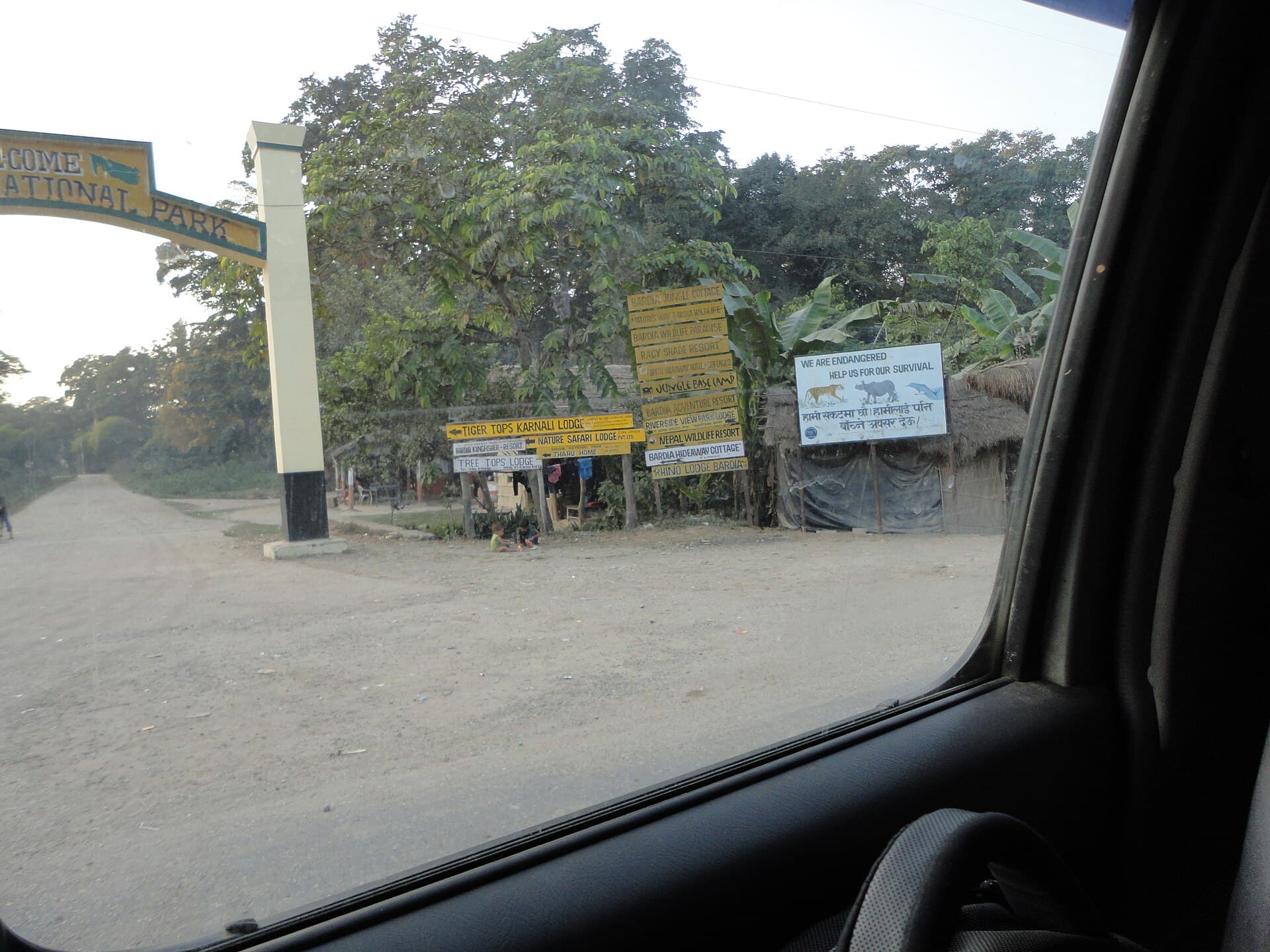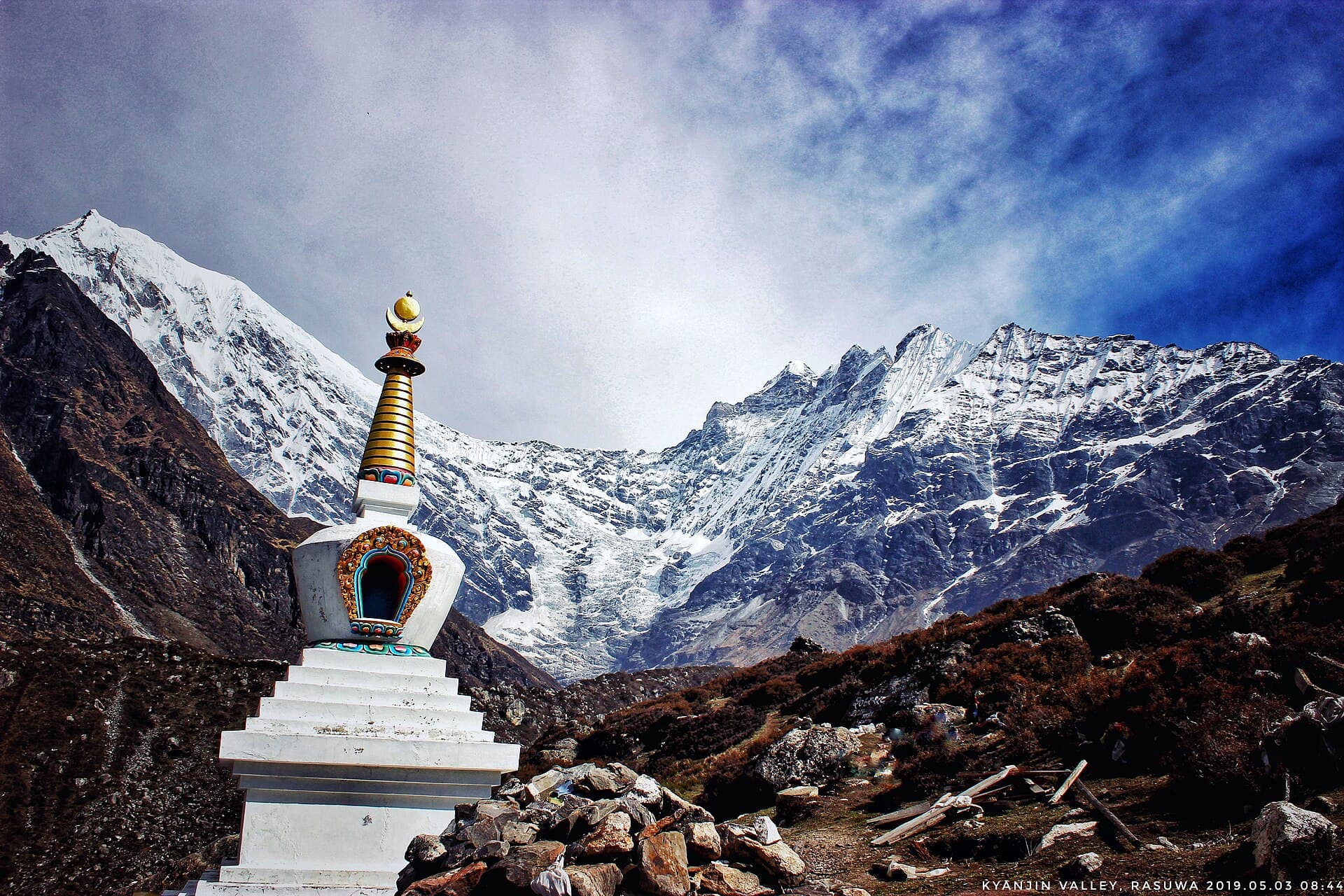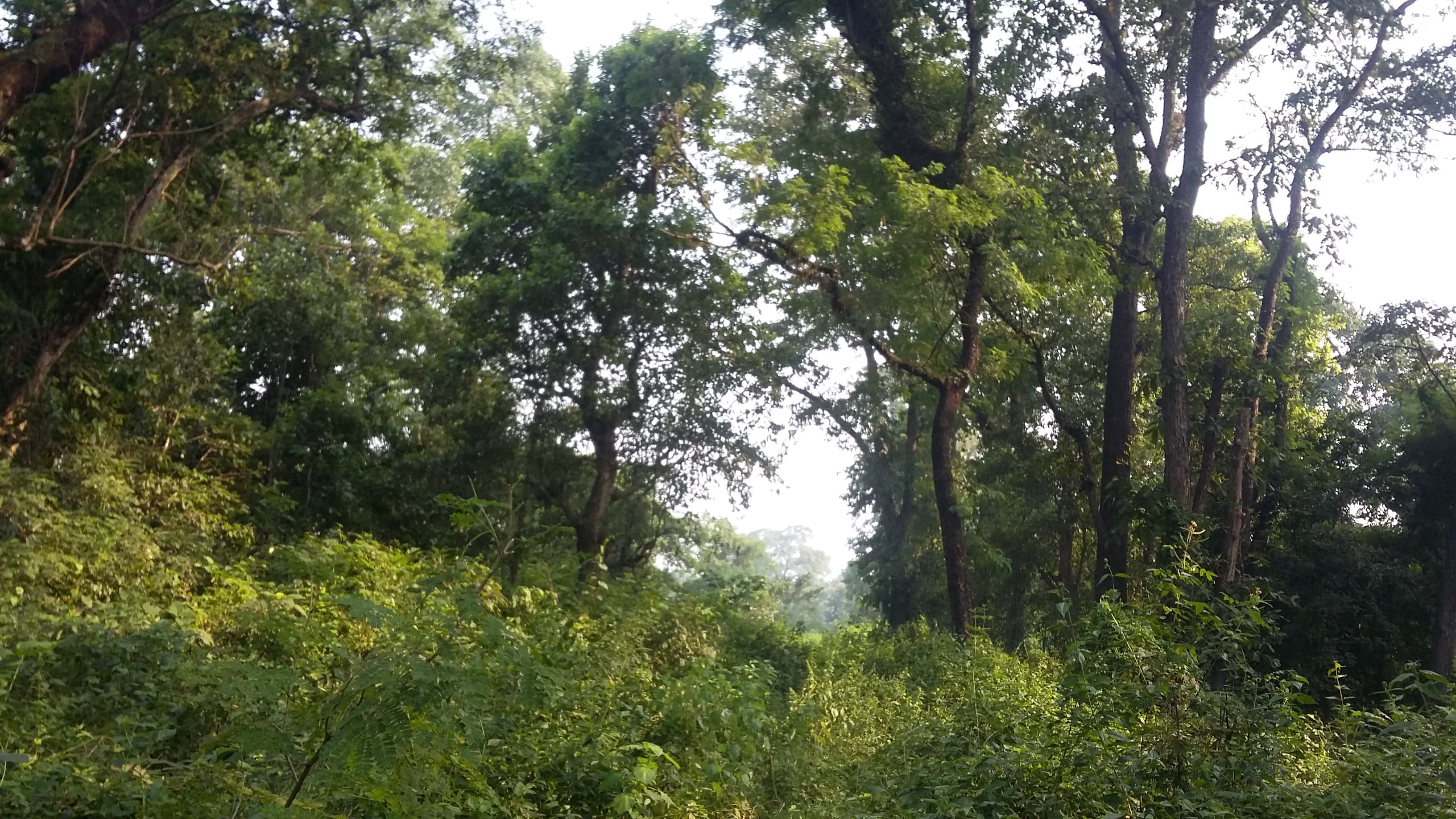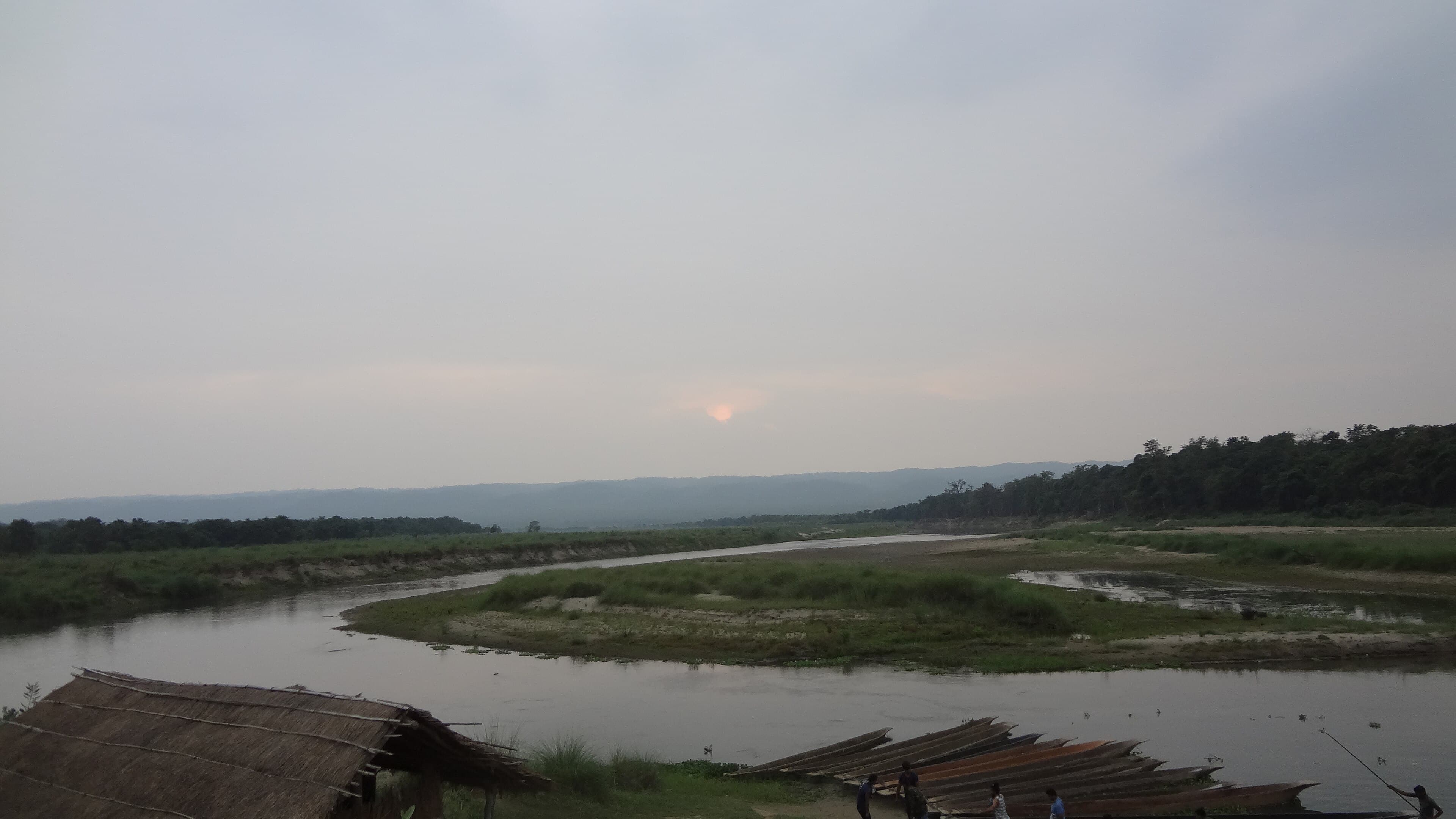
Nepal has 13 national parks. They span the most dramatic elevation range of any country on Earth — from subtropical Terai grassland at around 100 m above sea level to the summit of Mount Everest at 8,849 m. In a single trip you could watch a one-horned rhino graze a floodplain at sunrise on Monday and stand below the highest mountain on the planet by the following Sunday. Few countries make this possible. Fewer still make it this manageable for an international visitor.
The catch is that "Nepal's parks" is not one experience. It is at least two — wildlife safari and high-Himalayan trek — and those experiences sit in genuinely different parts of the country, with genuinely different logistics, climates, packing lists and seasons. Treating them as interchangeable wastes the trip.
This piece is the orientation. If you're weighing a first Nepal trip from abroad, start here.
The shape of a Nepal parks trip
Every international Nepal trip starts and ends in Kathmandu. The country has one major international airport (Tribhuvan International) and almost all visitors land there. From Kathmandu you fan out to the parks by domestic flight or by road, and come back. There is no useful direct international flight to anywhere else for a parks-focused trip.
The country itself divides into three climate zones running east–west like horizontal stripes:
- The Terai — the flat subtropical lowlands along the Indian border. Hot, humid, jungle and grassland, big animals. This is Chitwan, Bardiya, Banke, Parsa and Shuklaphanta.
- The mid-hills — the rolling middle of the country, where most Nepalis live. Khaptad in the far west and Shivapuri Nagarjun on Kathmandu's northern rim.
- The high Himalaya — the mountain north, including Everest, the world's highest peak. Sagarmatha, Langtang, Shey Phoksundo, Makalu Barun, Rara and the new (2025) Chhayanath Rara.
Treating Nepal as a hub-and-spoke model, with Kathmandu as the hub, will save you a lot of misplaced effort. Park-to-park overland travel is slow; the parks are best reached as out-and-back trips from the capital.
Two truly distinct experiences
The single most useful frame for a first trip is the wildlife/trekking binary.
- Wildlife parks (the Terai) are safari trips. You stay in a lodge near the park gateway. You leave by jeep, by walking safari or by river boat. You look for tigers, rhinos, gaur and Asian elephant. You sleep in a comfortable bed. The weather is hot.
- Trekking parks (the Himalaya) are multi-day walking expeditions. You stay in basic teahouses along trails at altitude. You walk for hours each day. You look for mountain peaks and Sherpa, Tamang or Dolpo culture. You sleep cold. The weather is cold.
These are the same country and they exist a short domestic flight from one another, but the trips are completely different. There is no overlap in what you pack, what you eat, what you do or what you see.
Our find-your-park questionnaire ranks the 13 parks against the kind of trip you're describing. For most first-time visitors, the honest answer is to pick one direction and commit. Doing both in a first trip is possible but stretches a 10-day itinerary thin.
The honest first-trip recommendations
If you want wildlife, go to Chitwan. It is Nepal's first national park (gazetted 1973), a UNESCO World Heritage Site since 1984, and the most accessible serious wildlife park in the country. It holds the largest population of one-horned rhinos in Nepal (around 694 in the 2021 census), tigers (128 in the 2022 census), Asian elephants and gaur. Sauraha — the main gateway town — has the most developed visitor infrastructure of any Nepal park. Rhino sightings are reliable; tiger sightings are honest-rare but possible.
If you want a Himalayan trek, go to Sagarmatha (the Everest park) if you have the altitude experience and the time, or to Langtang if you don't. Sagarmatha is the famous one and the most supported trail network; the 12-day Everest Base Camp trek is genuinely the most famous trek on Earth. Langtang is closer to Kathmandu, drives in instead of flying, and offers a real Himalayan trek without two weeks of acclimatisation.
If you want a first trek but without the EBC commitment, the 7-day Langtang Valley itinerary is the sensible answer. If you want guaranteed wildlife, 3 days at Chitwan is the sensible answer.
How long is enough
A Nepal parks trip needs more days than visitors instinctively allocate. Add buffer for Kathmandu, for travel, and for the unreliability of domestic flights (Lukla in particular).
Rough minimums, door-to-door from Kathmandu:
- Chitwan or Bardiya wildlife trip: 4–7 days for the park, plus 1–2 days in Kathmandu. Total: 6–9 days.
- Everest Base Camp: 12 days for the trek itself, plus 2–4 buffer days for Lukla flight delays. Total: 14–18 days.
- Langtang Valley: 7 days for the trek, plus 1–2 days in Kathmandu. Total: 8–9 days.
- A combined wildlife + trek trip: at least 14 days, ideally 18–21.
If you have under a week, commit to one experience. If you have two weeks, you can comfortably do a Himalayan trek (Langtang) plus a few days at Chitwan. If you have three weeks, EBC plus Chitwan is the classic full-country itinerary.
The seasonal question
Nepal has two seasons that matter to visitors:
- The dry season — October to April. Clear skies, mild temperatures, the best wildlife visibility and the standard trekking windows. This is when most foreign tourists come, and it's when the trip works best.
- The monsoon — June to September. Wet, humid, rivers run high, many trails wash out or close, the views close in with cloud. Travel is harder. The Terai parks become more challenging; the high-Himalayan trekking routes are mostly off-limits except in the rain-shadowed parts of Dolpo and Mustang.
Within the dry season, optimal months vary slightly. October and November give the sharpest mountain views. February to April is the peak Terai wildlife window — short grass and concentrated wildlife around water sources. The rhododendron belt blooms in March and April. December and January are cold at altitude.
Plan around the dry season unless you have a specific reason to come during monsoon.
The practical realities
A first-time visitor should understand three things up front.
Visas. Most nationalities can get a tourist visa on arrival at Tribhuvan International Airport in Kathmandu. Current fees (2026, set by Nepal's Department of Immigration) are USD 30 for 15 days, USD 50 for 30 days, USD 125 for 90 days, payable in clean USD cash. Confirm rules at the official Department of Immigration before flying.
Permits beyond the visa. Most national parks charge an entry fee, and many trekking areas require additional permits (a TIMS card, conservation-area permits, restricted-area permits for some regions). The system varies park by park; we cover the detail in permits and fees.
Altitude. If you're heading into the high Himalaya, altitude is the single most important factor in trip planning. Acute mountain sickness (AMS) is real, can be life-threatening, and doesn't care how fit you are. Acclimatisation days are built into reputable itineraries for a reason. See safety and altitude.
Three first-trip patterns that work
For visitors with 10 days: Chitwan (3–4 nights) plus a Langtang Valley trek (7 days). This is the classic combined first trip — one wildlife block, one trek block, both manageable inside a fortnight. The catch is that you'll start with the trek and end at Chitwan, or vice versa, with a Kathmandu day in between.
For visitors with 14 days: Sagarmatha Everest Base Camp (12 days) plus 2 buffer days for Lukla delays. The full headline trek. Add 1–2 days of Kathmandu time on each end if you can.
For visitors with 21 days: Sagarmatha EBC (14 days with buffer) plus Chitwan (4 nights) plus Kathmandu cultural time (3 days). The classic full-country first trip — Everest, the Terai, and the cultural and culinary capital.
If none of these match what you have in mind, run the find-your-park questionnaire — four questions, ranked recommendations — or compare any two or three parks side by side. And the planning hub covers visas, packing, when to come and how to get around in more depth.
Nepal is a small country with extraordinary range. A first trip won't see all of it. That's fine — the parks are not going anywhere, and the people who go once tend to come back.