If you've decided to spend a Nepal trip looking for big mammals, the next question is almost always: Chitwan or Bardiya? Both are Terai parks. Both protect Bengal tigers, one-horned rhinos and Asian elephants. Both are reached from Kathmandu by a short domestic flight and a road transfer. From the species list alone, they sound interchangeable.
They are not. The visitor experience is genuinely different, and a first-time wildlife traveller picking the wrong one for their trip can come home disappointed. Here's the honest call.
The same Terai, two different parks
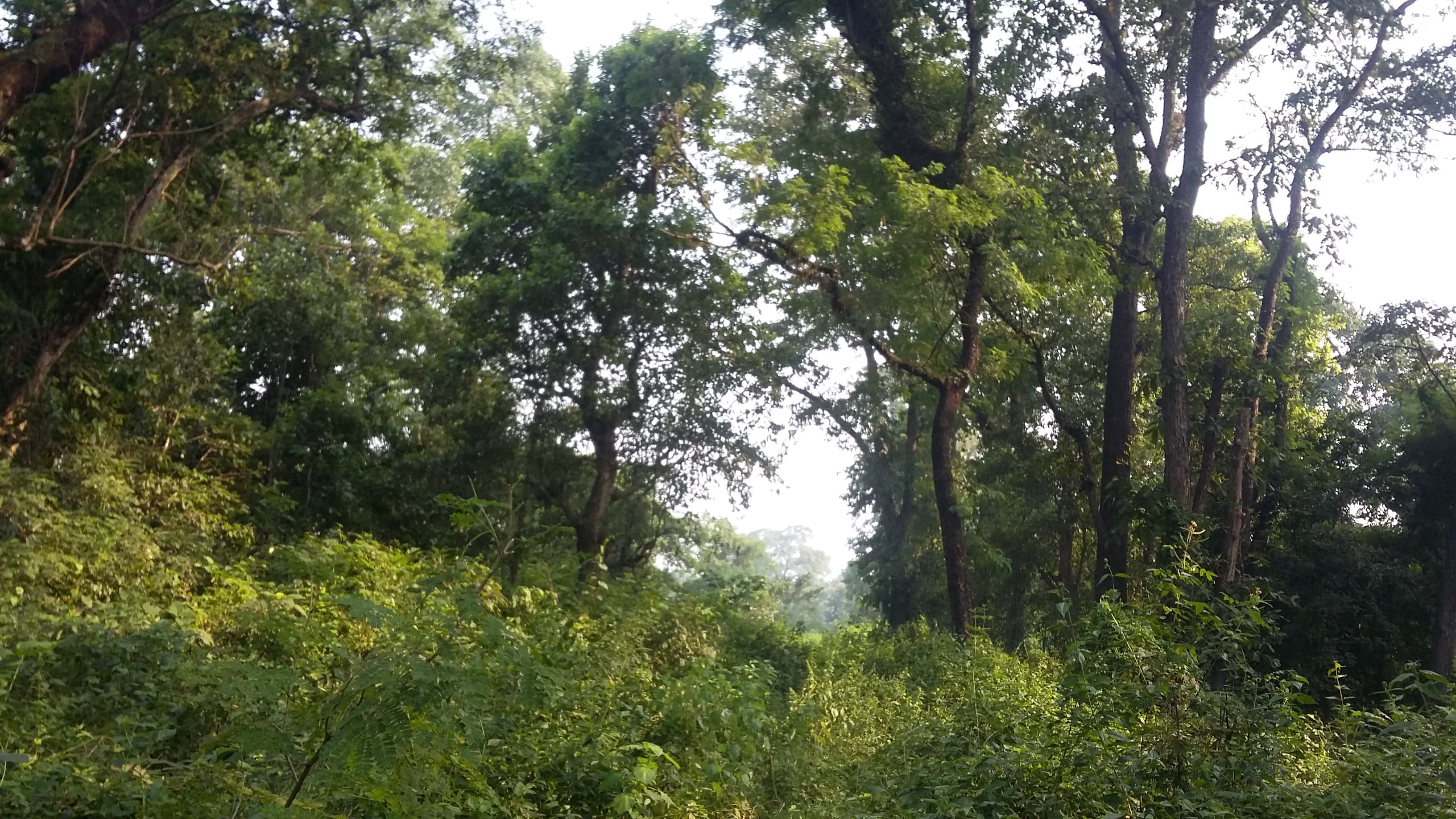
Chitwan was Nepal's first national park, gazetted in 1973 to halt the collapse of the rhino population during a period of severe forest clearance and poaching. It became a UNESCO World Heritage Site in 1984. The park covers 952 km² of sal forest, grassland and the Rapti and Narayani river systems. Around 200,000 international visitors come each year.
Bardiya was gazetted in 1988, fifteen years after Chitwan, partly as an insurance population for rhinos in case disease or poaching wiped out the Chitwan stronghold. It covers 968 km² in Nepal's far-western Terai along the Karnali and Babai rivers. It receives a small fraction of Chitwan's visitor traffic.
Both parks protect the same broad species mix. The differences are in density, visitor pressure, access and odds of seeing what you came for.
Tigers: where the odds are better
This is the question most international wildlife visitors ask first. The honest answer:
- Chitwan: 128 Bengal tigers in the 2022 national census — the country's largest tiger population.
- Bardiya: 125 Bengal tigers in the same census — almost the same number.
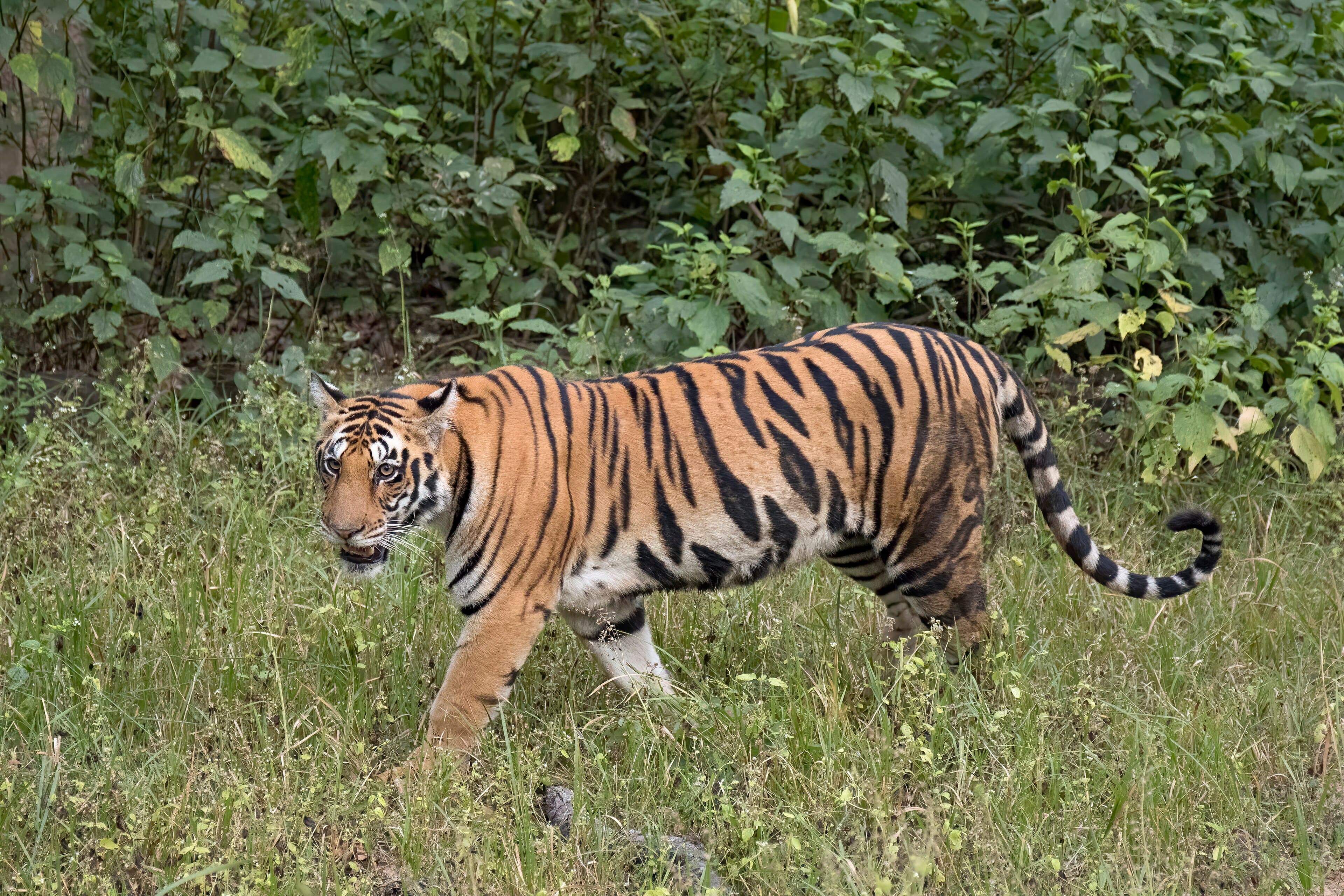
The headline numbers are close enough to be effectively tied. But the sighting odds are different, because the visitor density is very different. Chitwan's much greater visitor traffic means more vehicles in the park, more habituation pressure, and more people in the same forest hoping for the same animal. Bardiya's quieter trails, smaller jeep fleet and more selective walking safaris give experienced visitors better odds of an unhurried, well-positioned encounter.
This is the consensus among experienced wildlife guides: if a Bengal tiger sighting is the single most important goal of your Nepal trip, Bardiya is the more sensible choice. Plan 4–5 nights and multiple walking sessions rather than a single quick visit.
That said: tigers are never guaranteed at either park. The cats are big, intelligent and largely nocturnal. Visitors who specifically want a tiger sighting should also be prepared not to see one.
Rhinos: Chitwan, no contest
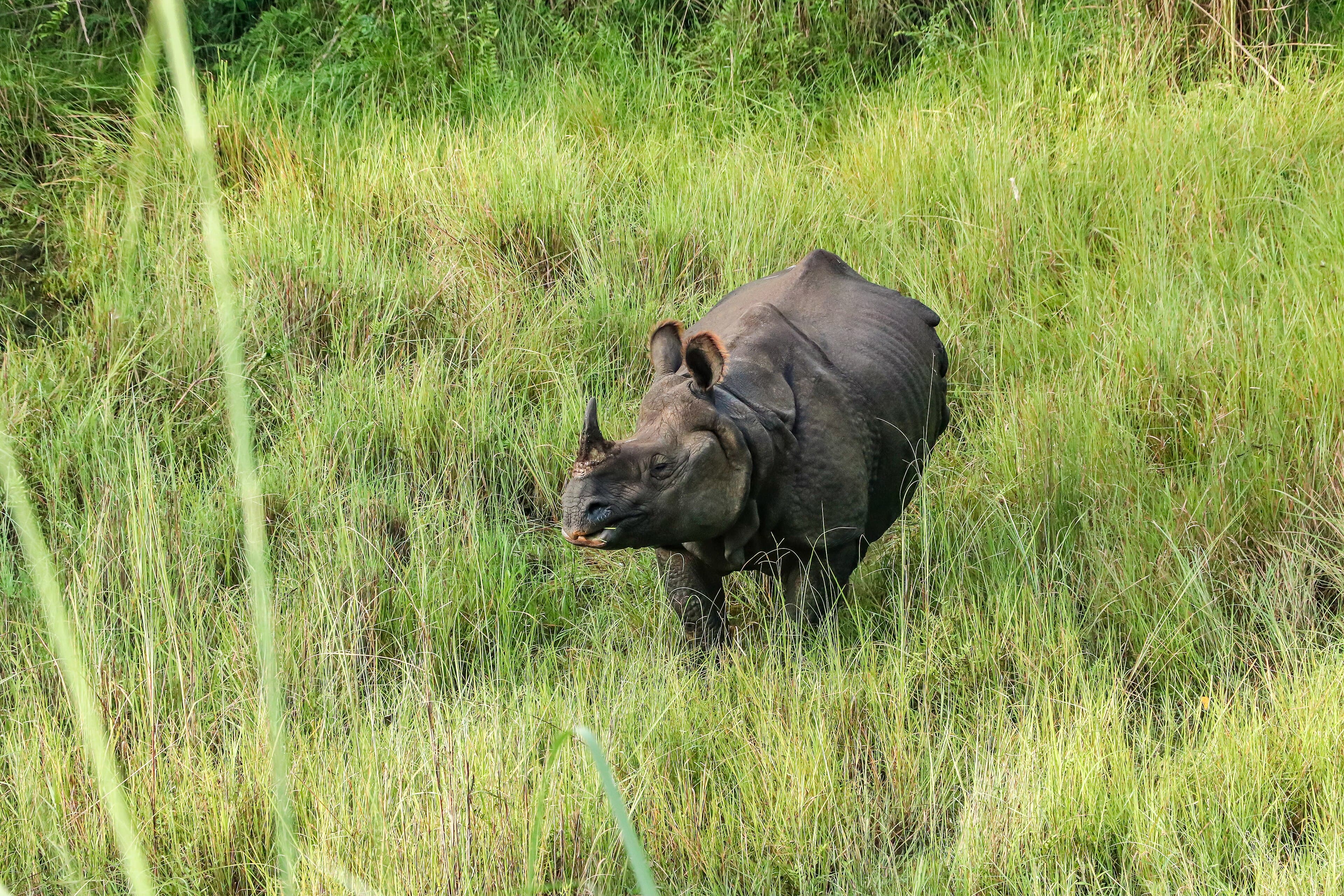
The reverse is true for one-horned rhinos. Chitwan holds the largest rhino population in Nepal — around 694 in the 2021 count, the world's second-largest population after Kaziranga in India. Bardiya's rhinos (38 in 2021) are the result of translocations from Chitwan, beginning in the 1980s, and the population is rebuilding rather than thriving.
For visitors who want reliable rhino sightings — and rhinos are the easiest of the Terai megafauna to actually see — Chitwan is the obvious answer. A dawn dugout canoe down the Rapti, a jeep safari through the floodplain grasslands, or a guided walk at Sauraha all stand a strong chance of an encounter.
If you're at Chitwan for rhinos and at Bardiya for tigers, you have two trips, not one.
Access and infrastructure
Chitwan's gateway town, Sauraha, has more lodging variety, more English-speaking staff and more visitor infrastructure than any other Nepal wildlife park. Travel logistics are correspondingly simpler — a 25-minute flight from Kathmandu to Bharatpur, then a 30-minute drive. The park is structurally easy for an international visitor to reach.
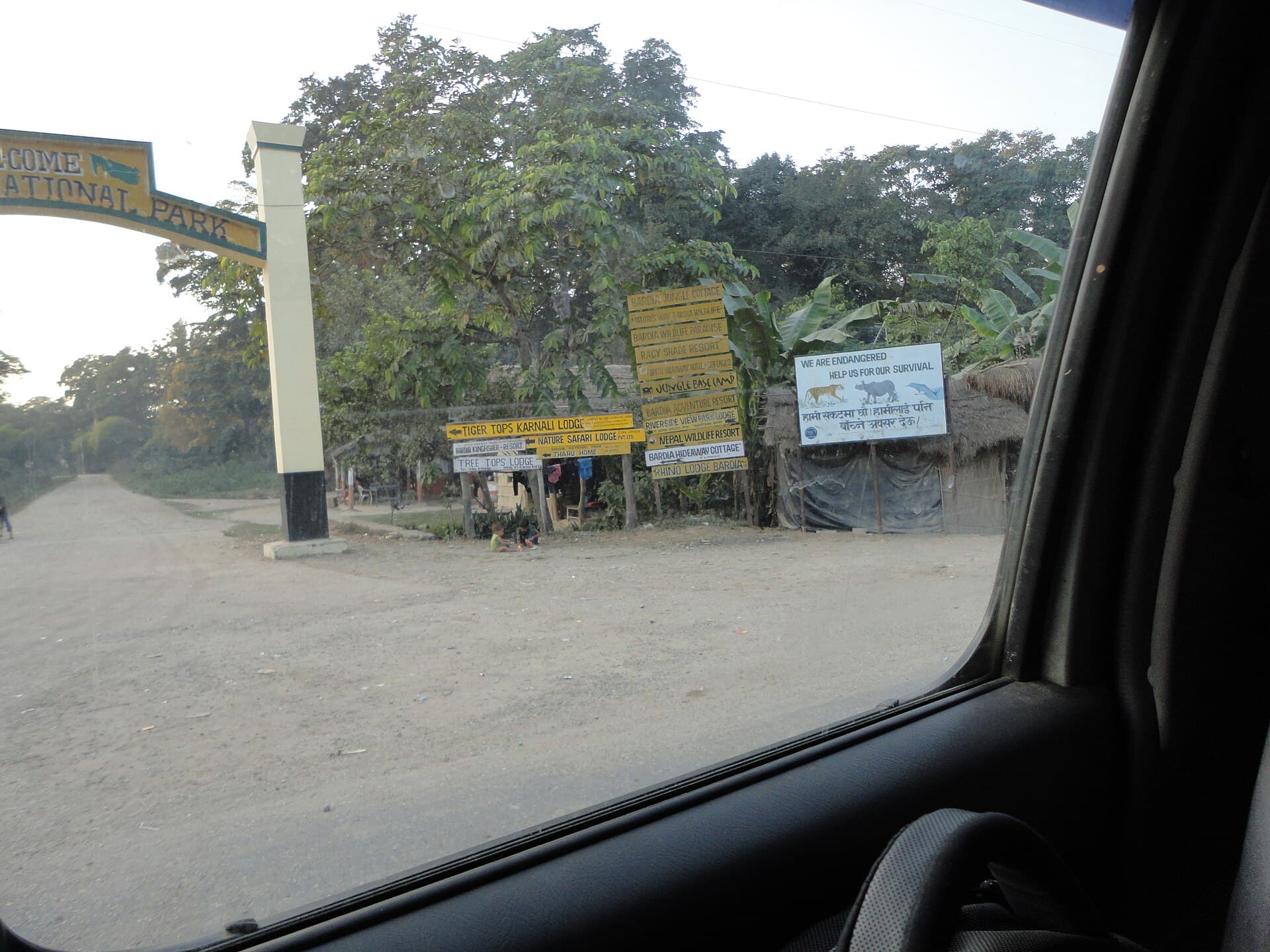
Bardiya's gateway, Thakurdwara, is much smaller. Reaching it means a 1-hour flight from Kathmandu to Nepalgunj, then a 3-hour drive west. The lodge selection is thinner, the gateway town has fewer amenities, and the experience overall is quieter and rawer. For some visitors that's the attraction; for others it's an inconvenience.
The overland alternative from Kathmandu is five hours by road to Chitwan, and around 14–16 hours to Bardiya. The road option for Bardiya is rarely chosen by foreign visitors.
How long each rewards
Chitwan rewards short trips. A meaningful Chitwan visit fits inside 2–3 nights — enough for a dawn canoe, a jungle walk, a jeep safari and a Tharu cultural evening. Four or five nights gives you variety without overstaying.
Bardiya rewards patience. A short visit (1–2 nights) is rarely worth the access cost. Three nights is the minimum; four or five nights is the proper tiger-tracking length. Multiple walking sessions compound the odds, and there's enough variety in the park to fill the time — the Karnali River day for Ganges dolphin and gharial, the Babai Valley extension, the Tharu cultural evening.
A 3-night Bardiya trip is a 3-night Chitwan trip in different scenery. A 5-night Bardiya trip is a different category of safari experience.
The honest call
For most first-time visitors to Nepal who want a wildlife experience, Chitwan is the right choice. It's easier to reach, more affordable to combine with other travel, has more reliable wildlife (rhinos especially), and a denser visitor infrastructure that forgives first-time mistakes. Most international visitors who come once to Chitwan, leave satisfied.
For visitors whose specific goal is a Bengal tiger sighting in the wild, Bardiya is the better park. The tradeoff is more travel time, less developed infrastructure, and a higher minimum trip length. Plan four or five nights, walk and ride patiently, and accept that even at Bardiya tigers can refuse to appear.
For visitors who have time for both: Chitwan first, then Bardiya. Chitwan introduces you to the Terai forest type, gives you guaranteed sighting practice on the easier species, and warms you up for Bardiya's quieter, harder-won encounters. The reverse order works but is less satisfying — Bardiya's quietness feels frustrating before you've had a calibration trip.
Combine either with a Himalayan trek and you have a complete Nepal trip. Run the find-your-park questionnaire if you want a ranked recommendation for your specific trip, or put them side by side on the comparison page.
Two parks. One species list. Two very different trips. The choice depends mostly on what you're going for, and a little bit on how much time and travel budget you can spend to get it.