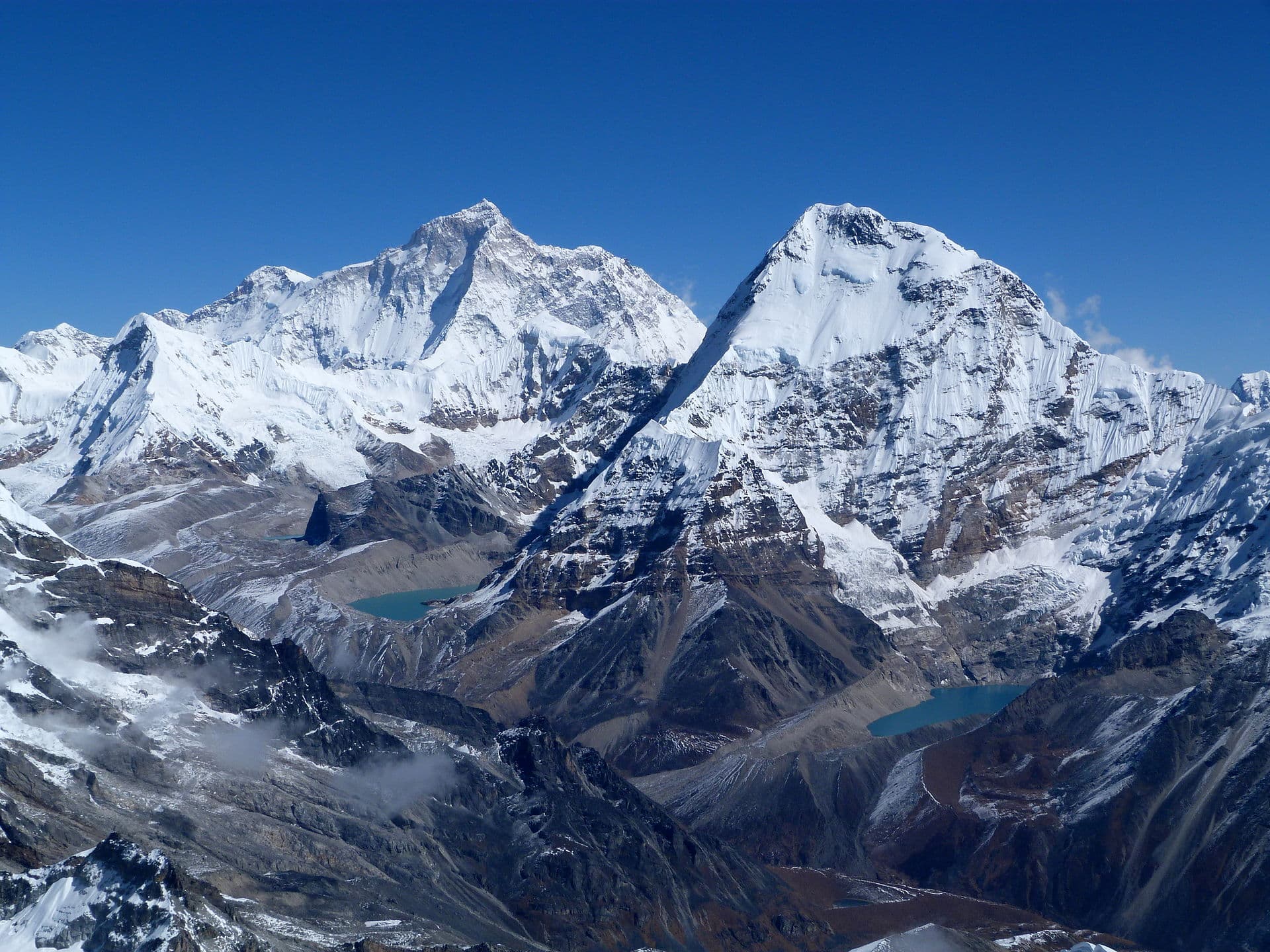
Mount Makalu rising above the Barun valleyPhoto: Craig Taylor · CC BY-SA 2.0

National Parks / Mountain / Makalu Barun

Est. 1992 · Tropical forest to 8,463 m

Makalu Barun

The only protected area on Earth that climbs from tropical forest to the summit of an 8,000-metre peak — wrapped around Mount Makalu, the world's fifth-highest mountain.

8,463
m — Mount Makalu
1,500
km² area
1992
Established
400
Bird species
The dramatic relief of the Makalu Barun regionPhoto: Craig Taylor · CC BY-SA 2.0

The Landscape

From tropical forest to an 8,000er

From the Arun river valley in the south-east — as low as about 344 m — the land climbs more than 8,000 m to the summit of Makalu. This extraordinary gain makes Makalu Barun the only protected area on Earth that encloses tropical forest and snow-capped peaks within a single boundary, stacking ecosystems from subtropical to nival in one continuous sweep.

Wildlife

Red pandas, snow leopards & more

The park's vast altitude range supports rich biodiversity, from forest mammals to high-alpine specialists.

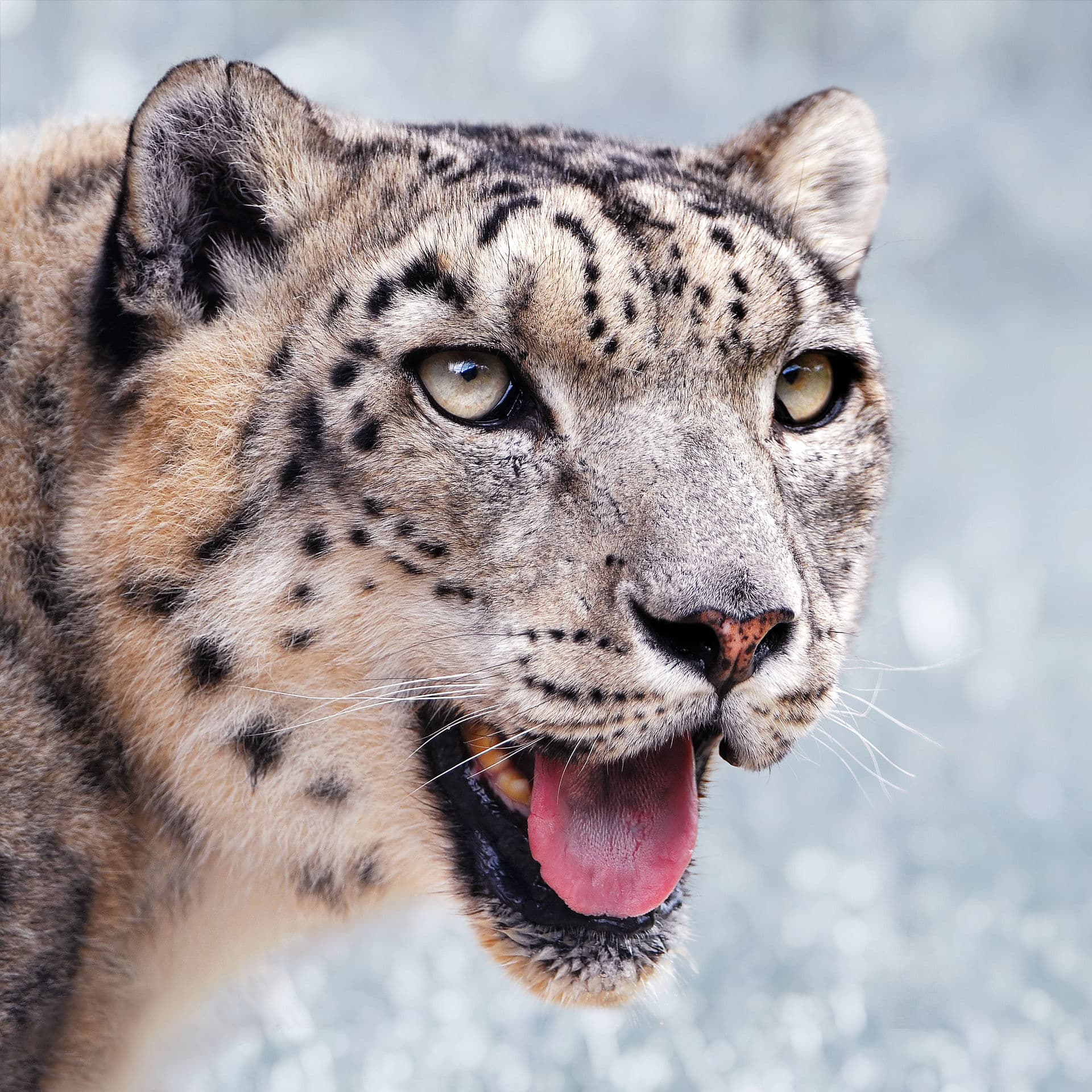
A snow leopardPhoto: Tambako The Jaguar (edit by Niabot) · CC BY-SA 2.0

Snow Leopard

Panthera uncia

The apex predator of the high crags and ridgelines.

Vulnerable
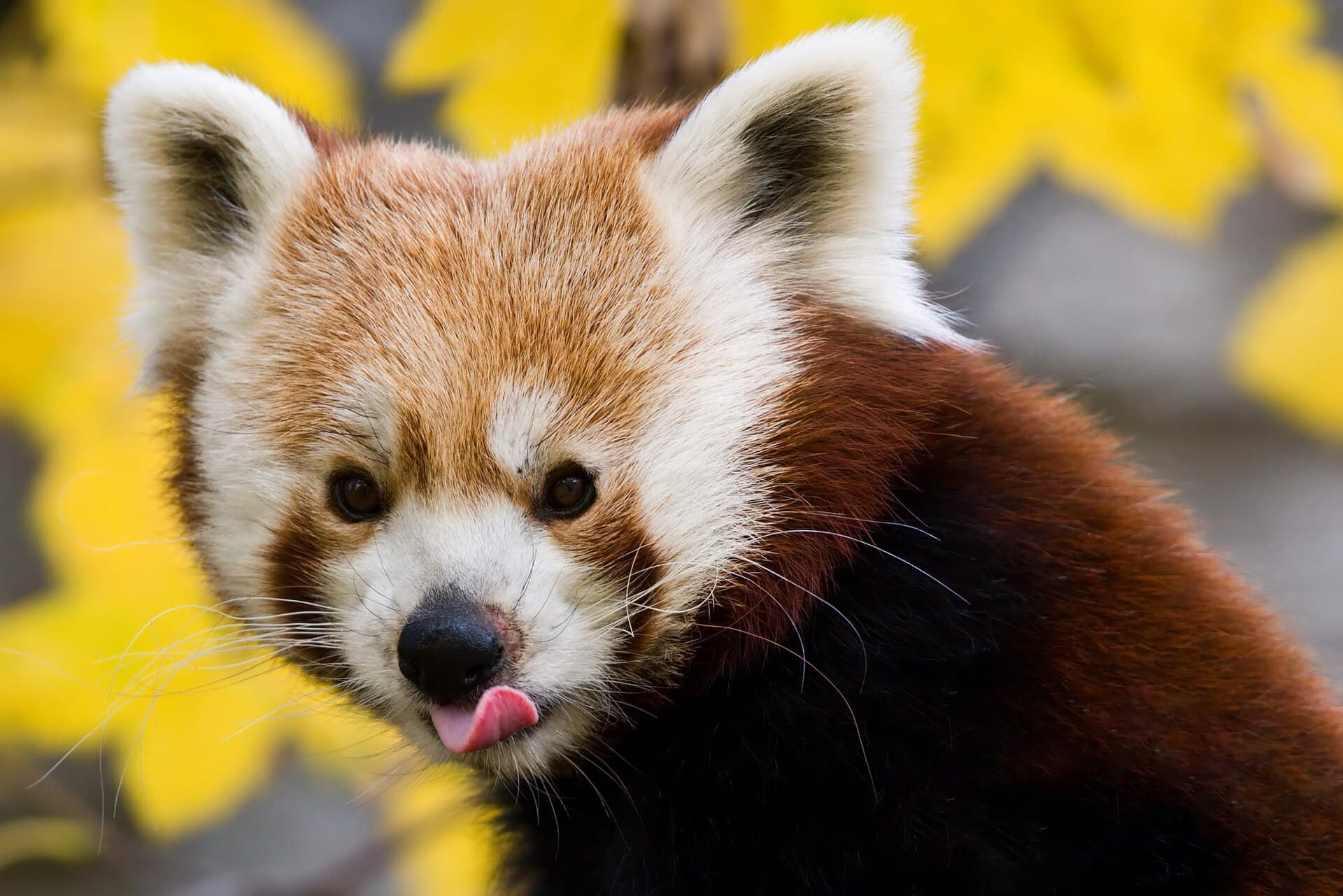
A red pandaPhoto: Christian Mehlführer (edit by Böhringer) · CC BY 2.5

Red Panda

Ailurus fulgens

A resident of the temperate bamboo and rhododendron forests.

Endangered
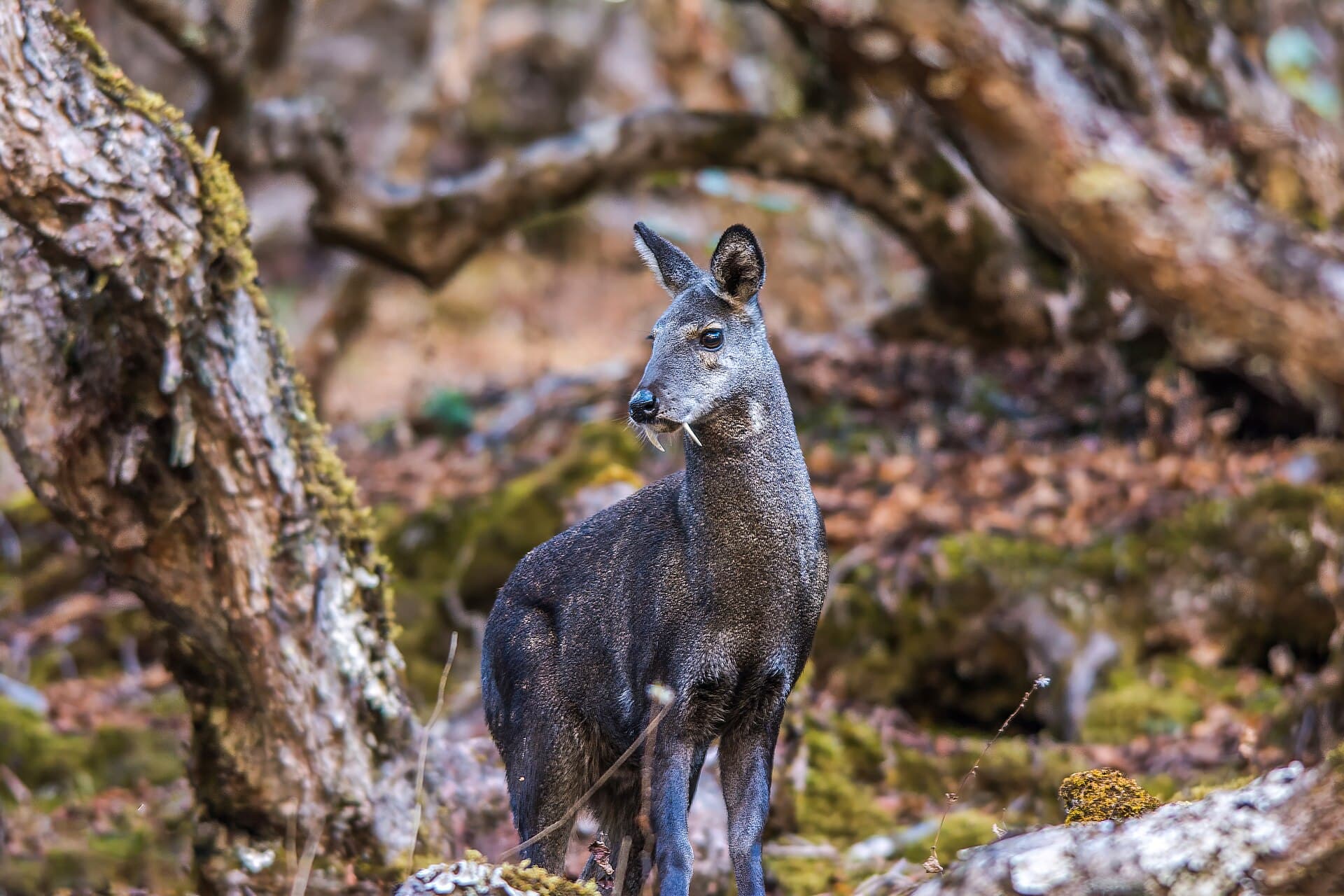
A Himalayan musk deerPhoto: Gurung Pratap · CC BY-SA 4.0

Himalayan Wildlife

Moschus · Hemitragus

Musk deer, Himalayan tahr, wild boar and clouded leopard among many others.

The park records around 400 bird species and 84 species of fish, along with a remarkable diversity of plants — including many orchids and rhododendrons — across its tropical-to-alpine range.
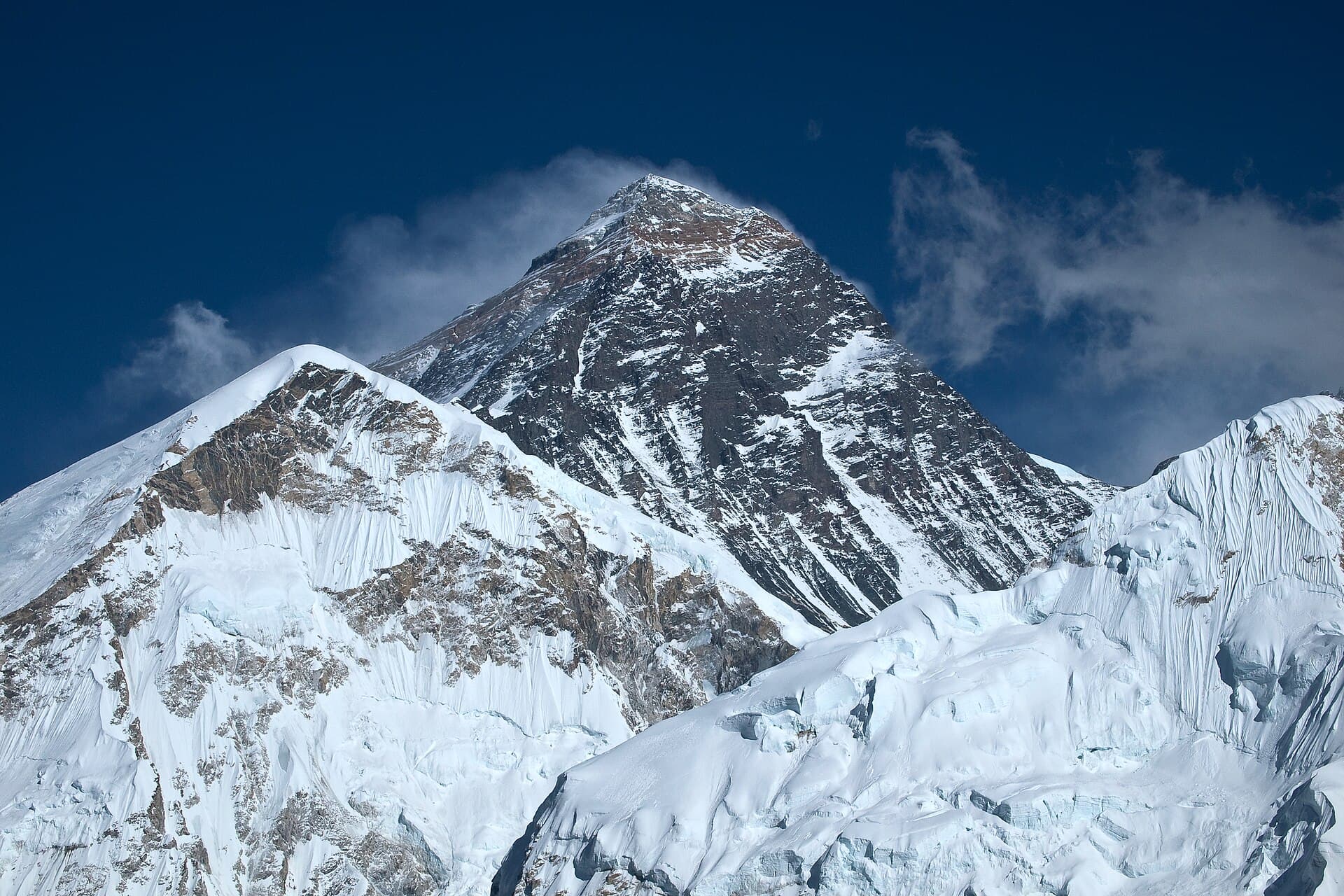
High Himalayan peaks neighbouring MakaluPhoto: Vyacheslav Argenberg · CC BY 4.0

Mountains

Makalu and its neighbours

The rugged summits within the park include Makalu (8,463 m), the world's fifth-highest mountain, along with Chamlang (7,319 m), Baruntse (7,129 m) and Mera Peak (6,654 m). The park extends about 66 km west to east and 44 km north to south, sharing its northern border with the Qomolangma National Nature Preserve of Tibet and adjoining Sagarmatha National Park to the west.

Visiting

Remote and wild

One of Nepal's least-developed and most pristine trekking regions.

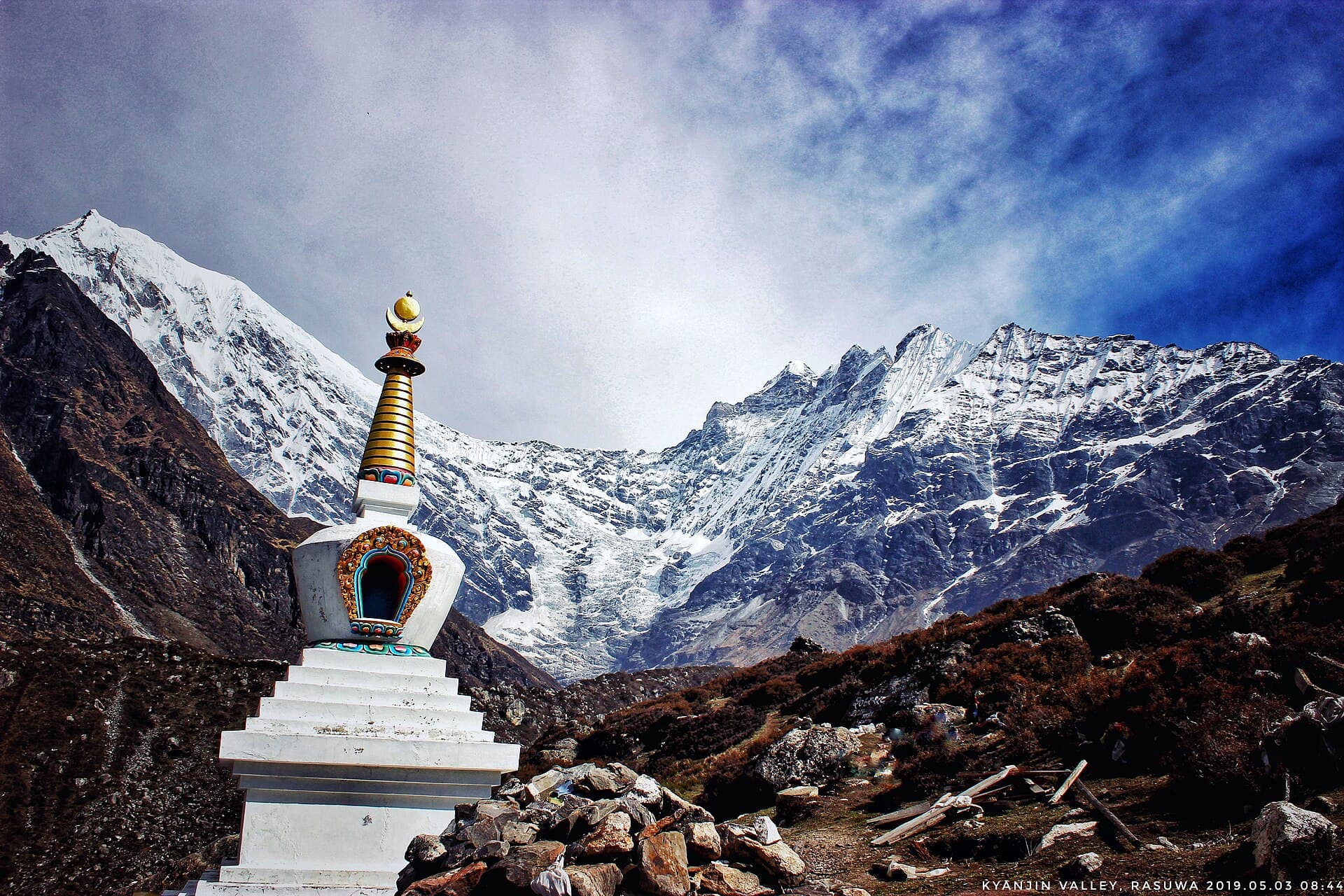
Makalu Base Camp Trek

A demanding, remote trek through the Arun and Barun valleys to the foot of Makalu.

Barun Valley

A glacial valley of waterfalls, forest and alpine meadow, prized for its untouched character.

Permits

Park entry permit required; the area is remote with limited facilities — come prepared.

Best in spring and autumn. This is committing, high-altitude wilderness — acclimatise carefully and travel with experienced guides. Confirm current permit rules.

Reference

Facts at a glance

Location
Solukhumbu & Sankhuwasabha districts, Koshi Province
Area
1,500 km² + 830 km² buffer zone
Elevation
~344 m to 8,463 m (Mt Makalu)
Established
1992 — as eastern extension of Sagarmatha
Distinction
Only protected area enclosing both tropical forest and 8,000 m peaks
IUCN category
II (National Park)

Administration

Park leadership

Each park is managed on the ground by a chief warden who reports into Nepal's Department of National Parks and Wildlife Conservation (DNPWC).

Chief warden
Pending DNPWC verification
Headquarters
Verify with DNPWC
Reports to
DNPWC, Ministry of Forests and Environment
Office-holders rotate regularly and are administered separately, so we do not publish unverified names. For how Nepal’s protected areas are governed, see DNPWC and protected-area administration.

Wildlife & Ecology

Tropical valleys to 8,000-metre peaks

Makalu Barun is one of the most extreme protected landscapes on Earth — it climbs more than 8,000 vertical metres, from subtropical Arun River forest at 344 m to the summit of Makalu (8,463 m, the world's fifth-highest peak). It adjoins Sagarmatha to the west and Tibet's Qomolangma Preserve to the north, and protects roughly 3,128 flowering plants, 88 mammals and 440 birds in a single transboundary block.

Snow leopardVulnerablePanthera uncia · Hiun chituwaResident at altitude in the Barun valley and upper Arun — part of the Sagarmatha–Makalu–Qomolangma snow-leopard landscape.

Pale, smoke-grey rosetted coat; long thick tail for balance and warmth; fur-cushioned paws for snow. Makalu Barun sits inside one of Nepal's most important snow-leopard landscapes, sharing prey populations with neighbouring Sagarmatha and Tibet's Qomolangma Preserve.

Behaviour

Solitary, crepuscular, vast home ranges across broken alpine terrain.

Diet

Himalayan tahr, blue sheep and musk deer; occasional livestock depredation.

Habitat in this park

Upper Barun Valley and the high terrain toward Makalu Base Camp.

Status & numbers

Vulnerable globally. Documented in the wider Makalu–Sagarmatha landscape; no Makalu-Barun-specific population figure has been published with confidence.

Conservation story

The park is part of an unbroken Himalayan protected-area network — Sagarmatha to the west, Qomolangma north and Kanchenjunga east — that gives the snow leopard one of its largest connected ranges anywhere in Nepal.

Where to see it

Almost never directly; sign in the upper Barun valley is the realistic encounter.

References (1)
Red pandaEndangeredAilurus fulgens · HabreResident in the temperate rhododendron–bamboo belt — one of the most important strongholds in eastern Nepal.

A small arboreal mammal with rich reddish-brown fur and a ringed bushy tail; the eastern Nepal subspecies (Ailurus fulgens fulgens) sits in some of the country's best-preserved bamboo–rhododendron forest.

Behaviour

Solitary, arboreal, crepuscular; bamboo specialist that rests in trees through much of the day.

Diet

Chiefly bamboo, supplemented with fruit, acorns, eggs and small prey.

Habitat in this park

Temperate forest of the middle elevations (roughly 2,400–3,600 m) in the Barun and Arun valleys.

Status & numbers

Endangered globally; the eastern Nepal protected areas (Makalu Barun and Kanchenjunga) together hold one of the species' largest contiguous habitats.

Conservation story

Habitat fragmentation by grazing, fuelwood collection and trail-side disturbance is the main threat; the park's lower buffer zones are the front line.

Where to see it

Patient trekkers in the middle Barun forest occasionally see one — sightings are rare and almost always brief.

References (1)
Clouded leopardVulnerableNeofelis nebulosa · Dhwanse chituwaA medium-sized, secretive forest cat — Makalu Barun is one of the few Nepali parks where it's reliably documented.

A spectacularly marked, mid-sized cat with the largest canine-to-skull ratio of any living felid. Forest-dwelling and largely arboreal.

Behaviour

Solitary, secretive and largely nocturnal; an expert climber that hunts in the canopy.

Diet

Birds, small primates, small mammals; occasionally larger prey such as young deer.

Habitat in this park

Subtropical and temperate forest of the Arun valley, mostly below 3,000 m.

Status & numbers

Vulnerable globally; presence in the park is confirmed but counts are not published.

Where to see it

Effectively impossible to see; the species is known mainly through camera trapping in the wider eastern Himalayan landscape.

References (1)
Himalayan musk deerEndangeredMoschus chrysogaster · Kasturi mrigaAntler-less, tusk-bearing deer of the dense forest; heavily poached for its musk gland.

Small, primitive deer without antlers; males bear protruding tusk-like canines and a musk gland prized in perfume and traditional medicine.

Behaviour

Shy, solitary, mostly nocturnal/crepuscular; dense understorey specialist.

Diet

Grasses, mosses, lichens, leaves and shoots.

Habitat in this park

Dense forest patches roughly 2,500–4,300 m.

Status & numbers

Endangered globally; resident in the park, no Makalu-Barun-specific count published.

Where to see it

Difficult — secretive and forest-bound.

References (1)
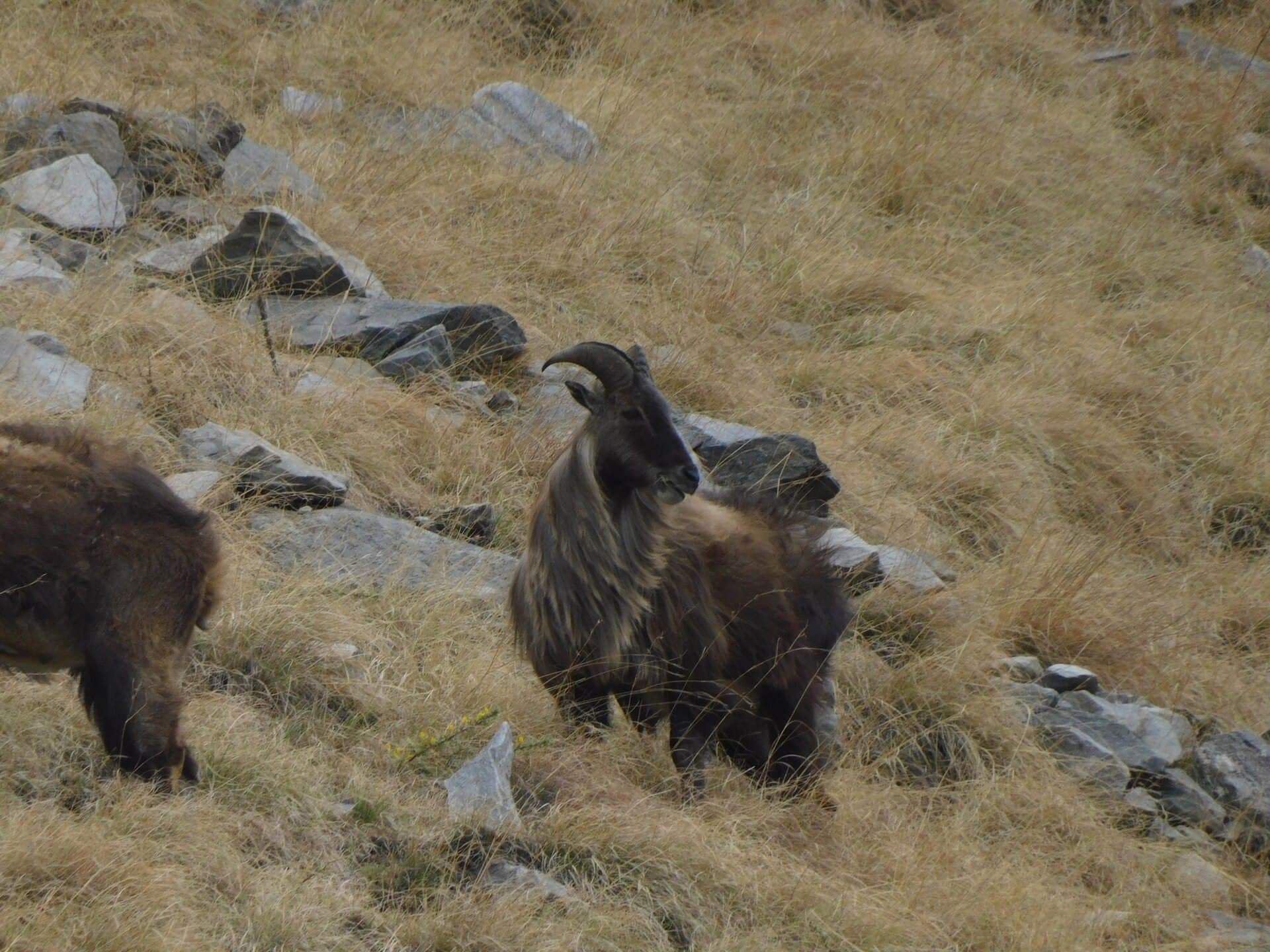
Himalayan tahrNear ThreatenedHemitragus jemlahicus · JharalThe upper-Barun's most reliable big mammal — and the snow leopard's principal prey.

Large, shaggy wild caprid; males 120–140 kg with a striking mane, females 60–80 kg.

Behaviour

Herd-living, diurnal; specialised in precipitous slopes.

Diet

Grasses, leaves and shrubs of subalpine and alpine zones.

Habitat in this park

Steep slopes of the upper Barun valley and around Makalu Base Camp.

Status & numbers

Near Threatened globally; present in stable numbers across the upper park.

Where to see it

Upper Barun valley and the slopes around Sherson and Makalu Base Camp.

References (1)

Other notable mammals

  • Himalayan black bear · Ursus thibetanusVulnerableUses forested lower zones.
  • Wild boar · Sus scrofaCommon in the lower forest belt.
  • Assamese macaque, grey langurThe two resident primates of the lower forest.
  • Serow, ghoralMountain goat-antelopes of the steep middle elevations.

Birds

Around 440 bird species recorded — one of the longest checklists for any Himalayan park, helped by the park's 8,000 m of vertical range and 3,128 flowering plants. Eastern Himalayan endemics and Sino-Himalayan species are particularly well represented.

  • Himalayan monal · Lophophorus impejanusNepal's national bird; common in the upper forest.
  • Satyr tragopan · Tragopan satyraNear ThreatenedSpectacular rhododendron-belt pheasant.
  • Blood pheasant · Ithaginis cruentusTreeline pheasant of the subalpine zone.
  • Eastern Himalayan endemics & migrantsThe park's huge elevation range and undisturbed forest belt make it one of Nepal's strongest birding destinations.
References (1)

Reptiles & fish

Around 78 fish species in the Arun and Barun river systems — among the highest fish-diversity figures for any Nepali park, reflecting the Arun's role as a major eastern Himalayan river.

  • Arun river fish fauna78 recorded fish species — including mahseer in the lower stretches.
References (1)

Flora & vegetation zones

3,128 flowering plant species and 25 of Nepal's 30 documented rhododendron varieties — the densest plant diversity of any Nepali park. The vegetation gradient is unmatched: from tropical valley forest at 344 m to alpine and nival zones above 8,000 m.

Tropical (344–1,000 m)
Sal (Shorea robusta), tropical broadleafLower Arun valley — among the lowest elevation points inside any Nepali national park.
Subtropical & temperate (1,000–3,500 m)
Oak, chestnut, rhododendron, bambooThe middle band — red panda country and the densest rhododendron diversity in Nepal.
Subalpine (3,500–4,500 m)
Dwarf rhododendron, juniper, firAbove the broadleaf belt; the snow leopard's lower hunting zone.
Alpine & nival (above 4,500 m)
Cushion plants, lichens, bare rock and iceReaches the summit of Makalu at 8,463 m — among the highest points in any protected area.
References (1)

Places of interest

  • Mount Makalu (8,463 m)The world's fifth-highest peak; the park's reason for global mountaineering attention.
  • Barun ValleyThe park's signature glacial valley — Makalu Base Camp trek runs up this from the lower Arun.
  • Mera Peak (6,654 m)Nepal's highest 'trekking peak'; lies in the western fringe of the park.
  • Chamlang (7,319 m) & Baruntse (7,129 m)Major adjoining peaks.
  • Arun River corridorOne of the world's deepest river gorges; the river predates the rise of the Himalaya.
References (1)

Species pages

Read the full conservation story

Long-form, sourced editorial on the species this park protects — their populations, their recoveries, the policy and the science behind them.

Plan Your Visit

For international visitors

Practical context for visitors arriving from another country — how to get here, how long to stay, what you'll actually see, and whether this park fits the trip you have in mind.

From Kathmandu

Makalu Barun protects the southern slopes of Mount Makalu (8,485 m, the world's fifth-highest peak). It's reached by flying from Kathmandu to Tumlingtar in the east (about 35 minutes), then driving and walking in over several days. There is no road into the park interior and the trek to Makalu Base Camp is one of Nepal's longest and most physically demanding mainstream routes.

Why this park

It's the wildest of Nepal's well-known high-Himalayan parks — exceptional botanical diversity (one of the few protected areas with a complete tropical-to-arctic vegetation gradient), a real chance of an undisturbed wilderness experience, and a base-camp trek that sees a fraction of Sagarmatha's visitors. The reward is solitude on a 4,800 m base camp.

When to come

Late September to early November, and April to early May. Outside these windows, the high camp approaches are subject to snow and bad weather. Monsoon (Jun–Aug) and deep winter (Dec–Feb) are not realistic for a base-camp trek.

How long to stay

Minimum useful visit
18 days from Kathmandu. A genuine Makalu Base Camp out-and-back takes about 16–18 trekking days plus transit buffer. Anything shorter doesn't reach base camp.
Ideal length
21–24 days. Adds acclimatisation days, a chance to absorb weather delays, and the more remote Sherpani-Col / West-Col high crossings if you're doing the wider circuit (which requires a full expedition-style support team).

What you'll actually see

Makalu Barun is a long-trek park, not a wildlife-viewing park. The biodiversity is genuinely extraordinary on paper, but most of it is plants, invertebrates and rarely-encountered species — not large mammals you'll spot on the trail.

Realistically expect

  • Mount Makalu (8,485 m) and Chamlang from base camp and surrounding viewpoints
  • Diverse forest belts — tropical sal, mid-hill rhododendron, fir and birch — passed through in sequence as you ascend
  • Sherpa, Rai and Limbu villages on the approach trails
  • Himalayan tahr on the steeper slopes
  • Lammergeier, Himalayan griffon and snow pigeon at altitude

Possible but not reliable

  • Red panda — present in the rhododendron-bamboo belt but elusive
  • Snow leopard — present, almost never seen by visitors
  • Himalayan musk deer (heavily threatened)
  • Clouded leopard (mid-elevation forest, extremely rarely encountered)

Season note. Rhododendron belts bloom from late March through April on the approach trails. Post-monsoon (Oct–early Nov) gives the clearest base-camp views; pre-monsoon (Apr–early May) is the second window.

Practical realities

From Kathmandu
Air: Kathmandu → Tumlingtar (about 35 minutes), then drive to Num (3–4 hours), then walk in over several days. There is no road to base camp or anywhere close. The road alternative from Kathmandu is a multi-day overland journey via Hile and Khandbari — slower than the flight option.
When it's open
Open year-round on paper. In practice the base-camp trek is a Apr–May or Oct–early Nov undertaking only; monsoon makes the lower trails miserable and winter snow closes the high camps. Lodges thin out and close above mid-altitude in the off-season.
Accommodation
A small number of basic teahouses on the lower approach (Num → Seduwa → Tashigaon → Khongma Danda) progressively give way to designated camping above. Most serious trekkers go fully supported with porters, cook crew and a registered guide. There is no Khumbu-style lodge infrastructure. We don't recommend specific properties.

Fees and permits

Foreigner
NPR 3,000 per person per entry
SAARC nationals
NPR 1,500 per person per entry
Nepali
NPR 25 per person per entry

Source: Nepal Tourism Board — Makalu Barun National Park · verified 28 May 2026 · charged per entry

Other permits

  • TIMS card. TIMS (Trekkers' Information Management System) is generally required for trekking in Nepal; confirm current TIMS rules with your operator at booking.

Park entry is collected at the Seduwa checkpost. Bring passport-size photos and small NPR cash.

Visit if…

  • You want one of Nepal's longest, wildest mainstream Himalayan treks
  • You're already an experienced multi-week trekker comfortable above 4,500 m
  • Solitude matters more than amenities — Makalu Barun sees a fraction of Khumbu's traffic
  • You're flexible on dates and can absorb weather delays
  • You want a complete tropical-to-arctic biome traverse in a single trek

Skip if…

  • You have less than three weeks in Nepal
  • You want regular teahouse comfort — much of this trek is camping or basic huts
  • You came for guaranteed wildlife sightings — Chitwan or Bardiya is the answer
  • You're new to high altitude and haven't acclimatised before
  • You can't sustain a serious physical commitment for 18+ days

Visitor Guide

Plan your visit

A remote eastern wilderness around the world's fifth-highest peak — from tropical valley to 8,000-metre ice.

Places of Interest
  • Mount Makalu (8,463 m, world's 5th-highest)
  • Chamlang (7,319 m)
  • Baruntse (7,129 m)
  • Mera Peak (6,654 m)
  • Barun Valley
  • Arun River valley
Things to Do
  • Trekking (Makalu Base Camp)
  • Mountaineering
  • High-altitude hiking
  • Wildlife & bird watching
  • Photography
Trails & Tracks

Remote, undeveloped and demanding — one of Nepal's least-trafficked treks.

Main route

  • Makalu Base Camp trek — through the Arun and Barun valleys to Makalu Base Camp (strenuous; remote)
Difficulty
Strenuous; remote wilderness
Access
Remote; limited facilities
Wildlife & Biodiversity

Flagship species

  • Snow leopard
  • Red panda
  • Himalayan tahr
  • Musk deer
  • Wild boar
  • Clouded leopard

Around 400 bird species and 84 fish species, with rich orchid and rhododendron diversity.

Endangered species

  • Snow leopard (Vulnerable)
  • Red panda (Endangered)
Flora & Plant Life

Vegetation gradient

  • Tropical forest (lower Arun valley, ~344 m)
  • Temperate forest
  • Alpine & nival zones (to 8,463 m)

The only protected area enclosing both tropical forest and 8,000-metre peaks — over 8,000 m of elevation gain — with many orchids and rhododendrons.

Accommodation & Camping

Hubs

  • Trail villages in the Arun & Barun valleys

Types

  • Basic teahouses and camping; limited

Specific lodge names and availability. Fees, hours and operators change — confirm current details with the DNPWC and Nepal Tourism Board before travelling.

Visitor Information
Best time
Spring & autumn
Weather
Tropical low to alpine high; monsoon Jun–Aug
Entry fee
Foreigners NPR 3,000 · SAARC NPR 1,500 · Nepali NPR 25, per person per entry. Verify current rates before travel. Nepal Tourism Board

Trekking-permit requirements and opening arrangements. Fees, hours and operators change — confirm current details with the DNPWC and Nepal Tourism Board before travelling.

Regulations

  • Permit required — confirm current rules

Safety

  • Remote and high — acclimatise and come self-sufficient
Maps & Navigation
Approx. location
27.75°N, 87.10°E
Gateway
Via Tumlingtar (airstrip) / Khandbari
Nearest access
Khandbari, Sankhuwasabha — flight to Tumlingtar, then road/trek

Visitor-centre information. Fees, hours and operators change — confirm current details with the DNPWC and Nepal Tourism Board before travelling.

Cultural & Historical

Home to Sherpa, Rai and other communities of the Arun and Barun valleys.

Established in 1992 as an eastern extension of Sagarmatha, with a buffer zone added in 1995; it borders Tibet's Qomolangma preserve to the north and adjoins Sagarmatha to the west.

Events & Experiences

Guided experiences

  • Guided Makalu Base Camp treks
  • Mountaineering expeditions

Specific tour operators. Fees, hours and operators change — confirm current details with the DNPWC and Nepal Tourism Board before travelling.

Mount Makalu

Explore more of Nepal's parks

Thirteen parks, one extraordinary country.