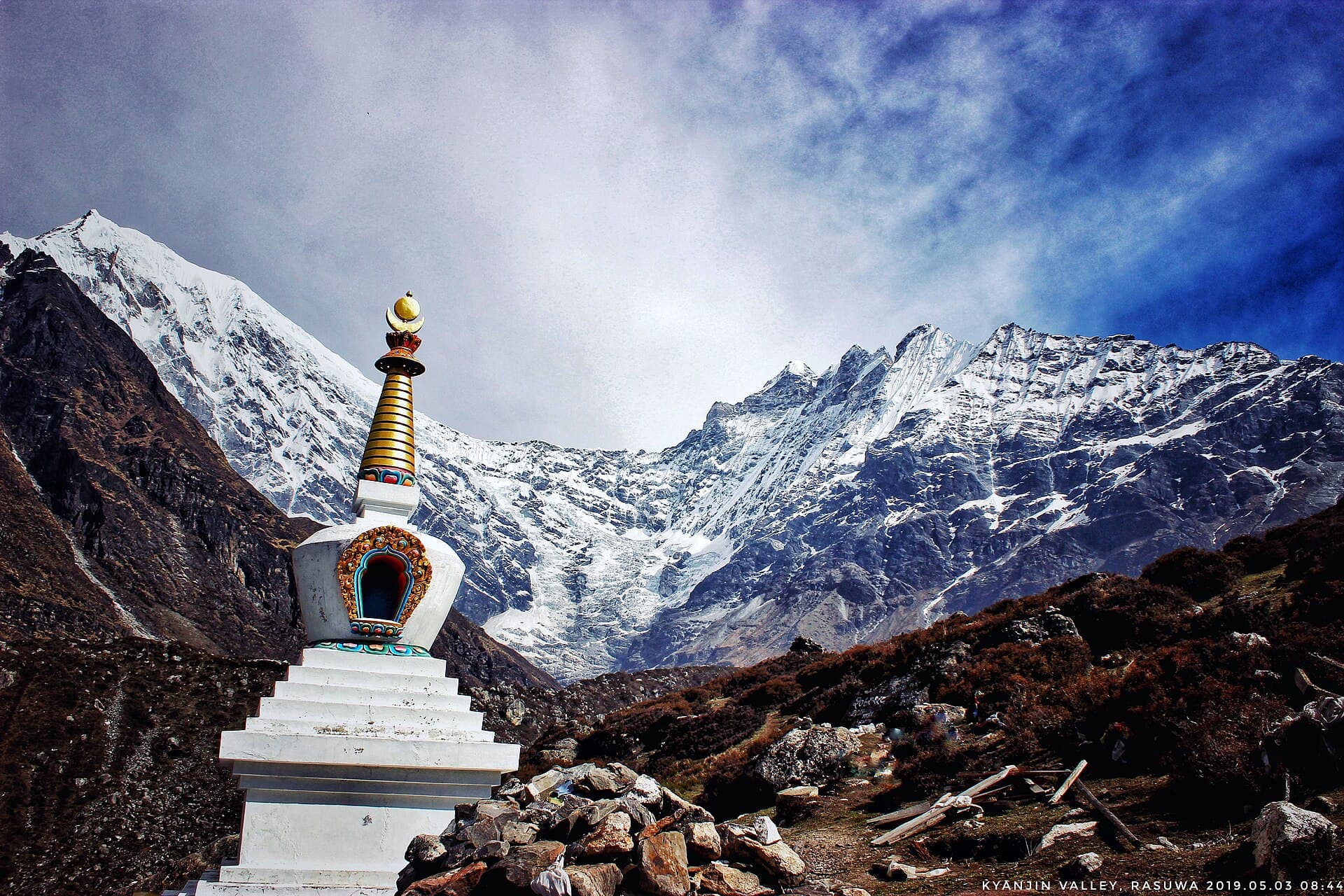
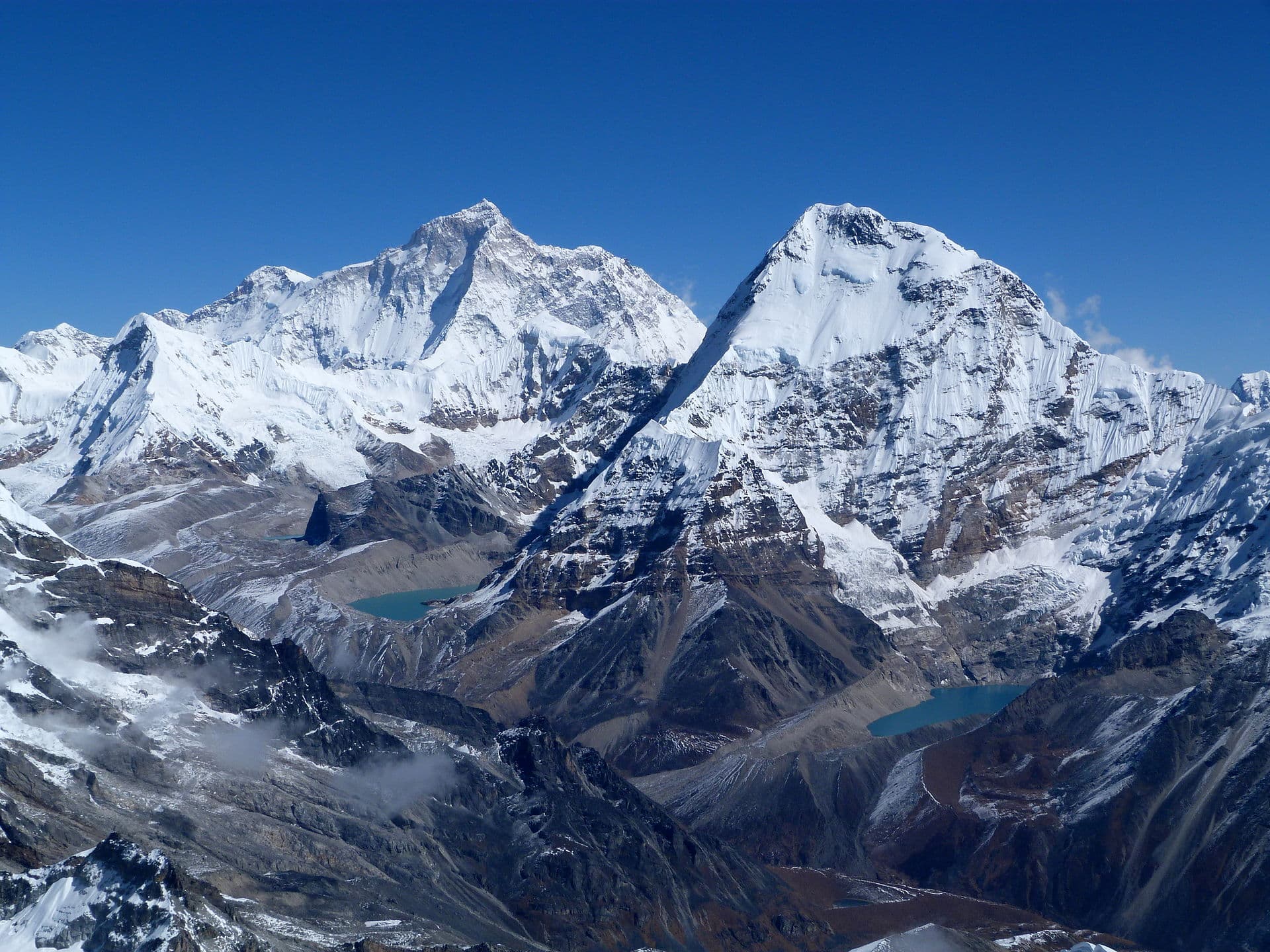
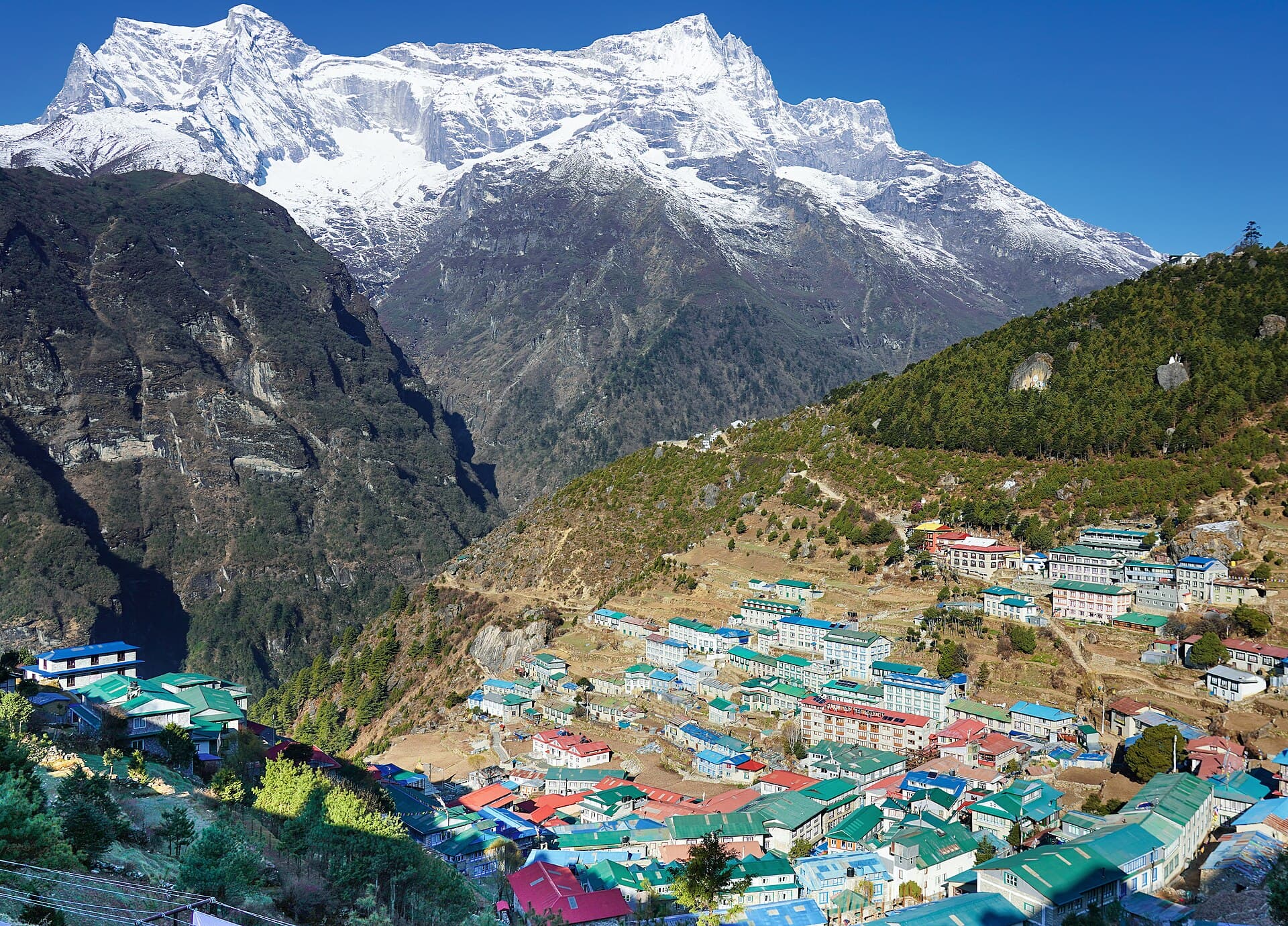
The Langtang valley beneath Langtang LirungPhoto: pnepalensis · CC BY-SA 4.0

National Parks / Mountain / Langtang

Est. 1976 · Nepal's first Himalayan park

Langtang

The Himalaya closest to Kathmandu — Nepal's first mountain national park, a land of glaciers, sacred lakes, red pandas and Tamang villages.

1,710
km² area
7,245
m — Langtang Lirung
1976
Established
345
Bird species

Established in 1976, Langtang was Nepal's first Himalayan national park and its fourth protected area — and at around 30 km north of Kathmandu, the mountain park most accessible from the capital.

It covers 1,710 km² across the Nuwakot, Rasuwa and Sindhupalchok districts, ranging from about 1,000 m in the lower valleys to 7,245 m at the summit of Langtang Lirung. The park encompasses 26 village communities, is linked to the Qomolangma National Nature Preserve of Tibet to the north and east, and is part of the Sacred Himalayan Landscape. A buffer zone of 420 km² was added in 1998.

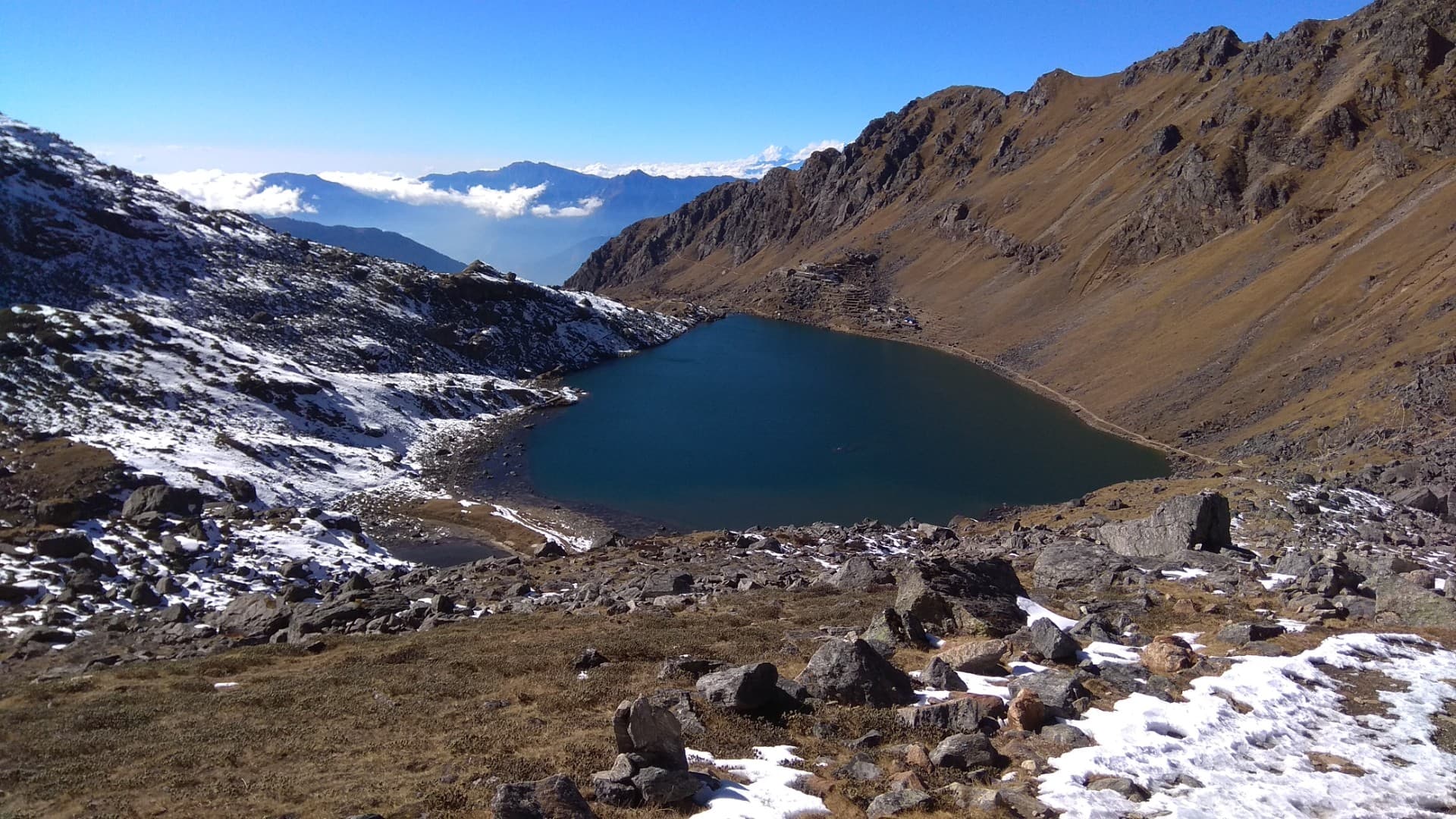
The park holds more than 70 glaciers and the sacred Gosainkunda lake complex — an alpine lake at 4,380 m that draws thousands of Hindu pilgrims to its August festival.

The sacred alpine lake of GosainkundaPhoto: Dpramodprasad7 · CC BY-SA 4.0

Sacred Waters

The Gosainkunda lakes

High in the park lies Gosainkunda, an alpine freshwater lake sacred to Hindus and Buddhists alike. Together with its surrounding lakes it forms a complex of around 1,030 hectares. Each August, the Janai Purnima festival draws thousands of pilgrims to bathe in its cold waters.

Wildlife

Red pandas & snow leopards

46 mammal species range across the park's forests and high meadows, alongside 345 birds and 70 butterflies.

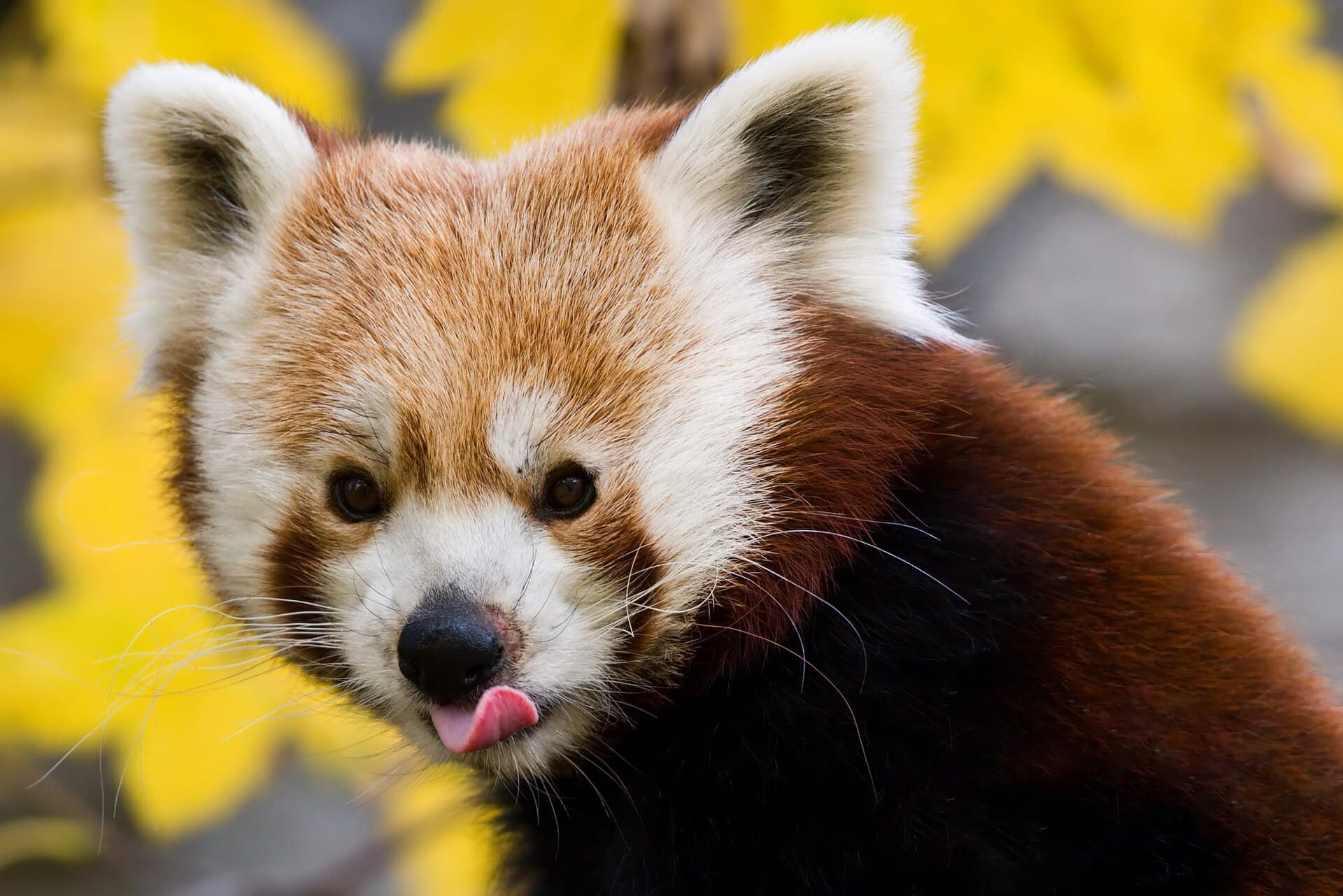
A red pandaPhoto: Christian Mehlführer (edit by Böhringer) · CC BY 2.5

Red Panda

Ailurus fulgens

Shelters in the lower bamboo and rhododendron forests; Langtang was declared a red panda protection area.

Endangered
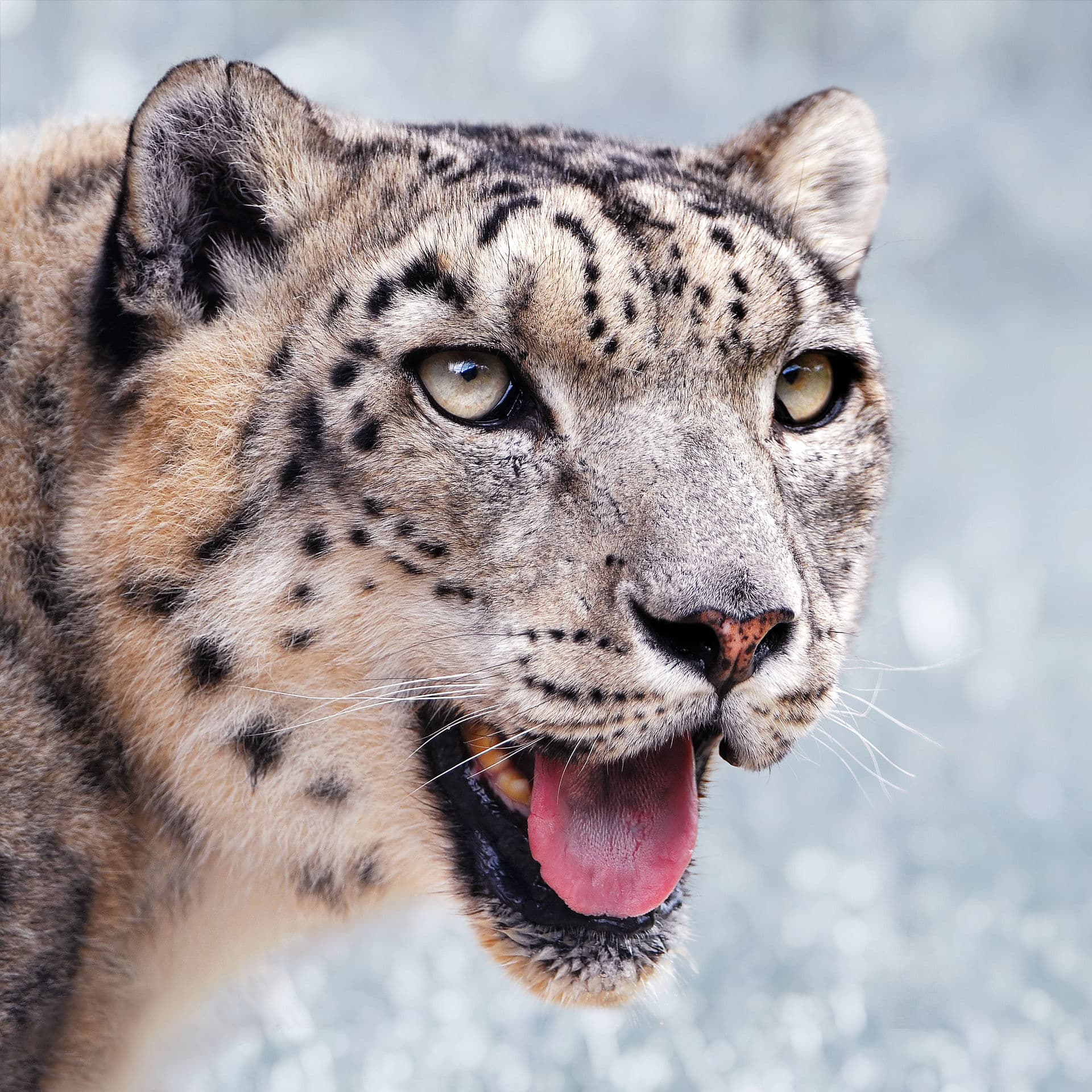
A snow leopardPhoto: Tambako The Jaguar (edit by Niabot) · CC BY-SA 2.0

Snow Leopard

Panthera uncia

Rare and elusive in the remote high-altitude reaches — Langtang was an early snow leopard conservation area.

Vulnerable
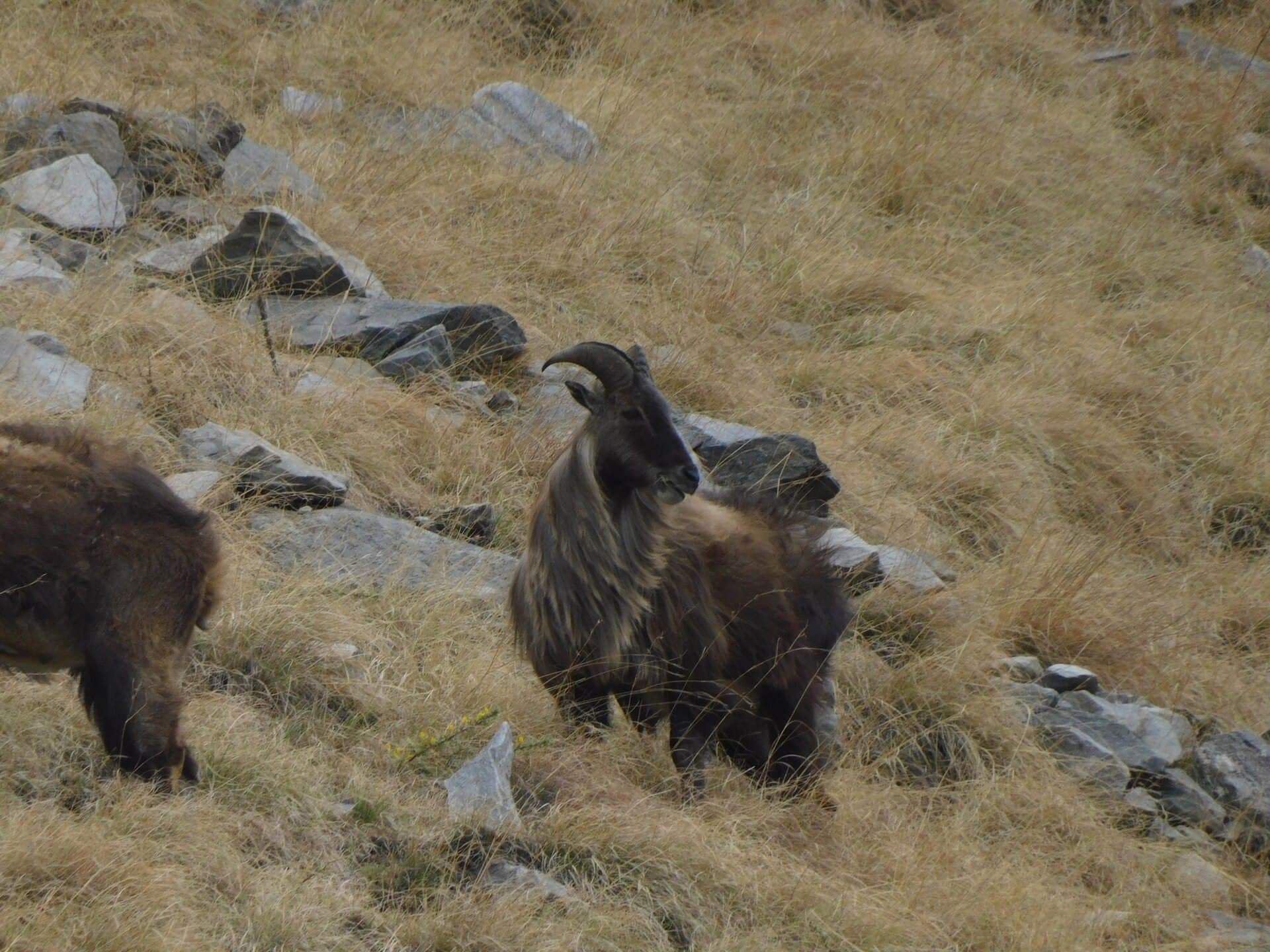
A Himalayan tahrPhoto: Jagdish Singh Negi · CC BY 4.0

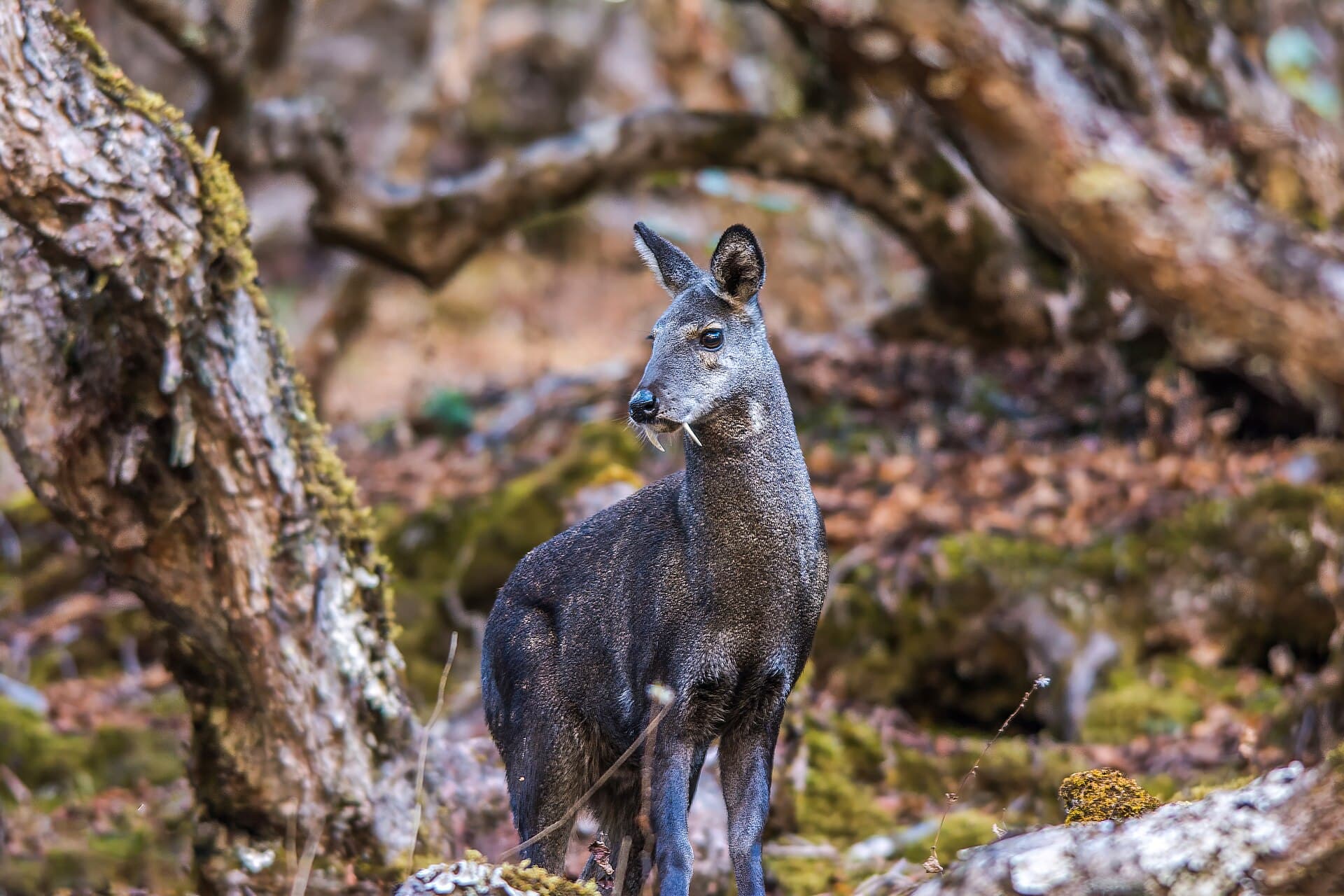
Himalayan Tahr & Musk Deer

Hemitragus · Moschus

The high meadows are summer habitat for tahr, musk deer, goral and serow.

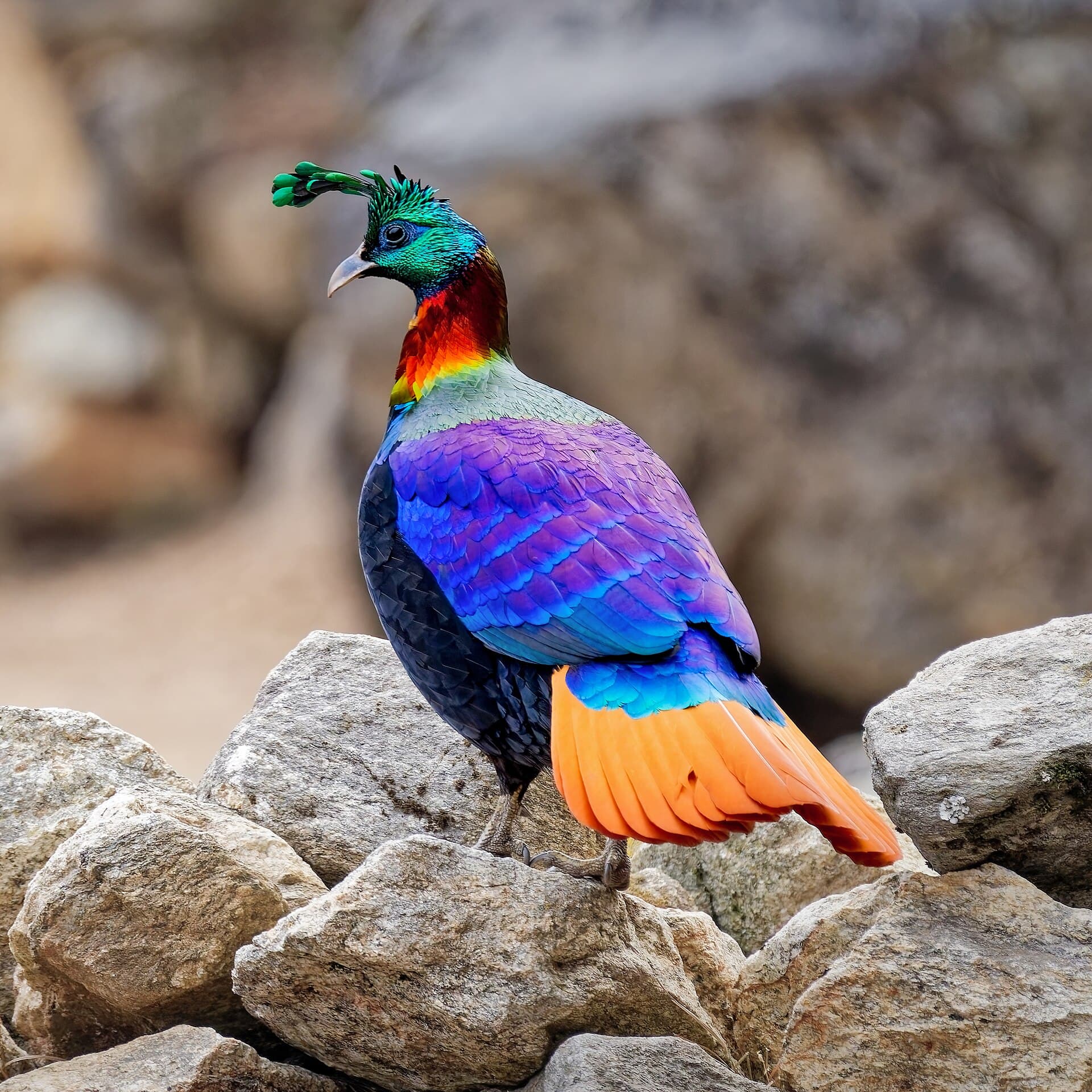
Also present: Himalayan black bear, wild dog (dhole), grey langur and Assamese macaque. Birds include the Impeyan pheasant (monal), ibisbill, snow partridge and crimson-horned pheasant. Over 1,000 species of vascular plants grow here, with rhododendron among the endemics.
Rhododendron forest in LangtangPhoto: Bharatadhikarimb · CC BY-SA 4.0

Vegetation Zones

From sal to alpine meadow

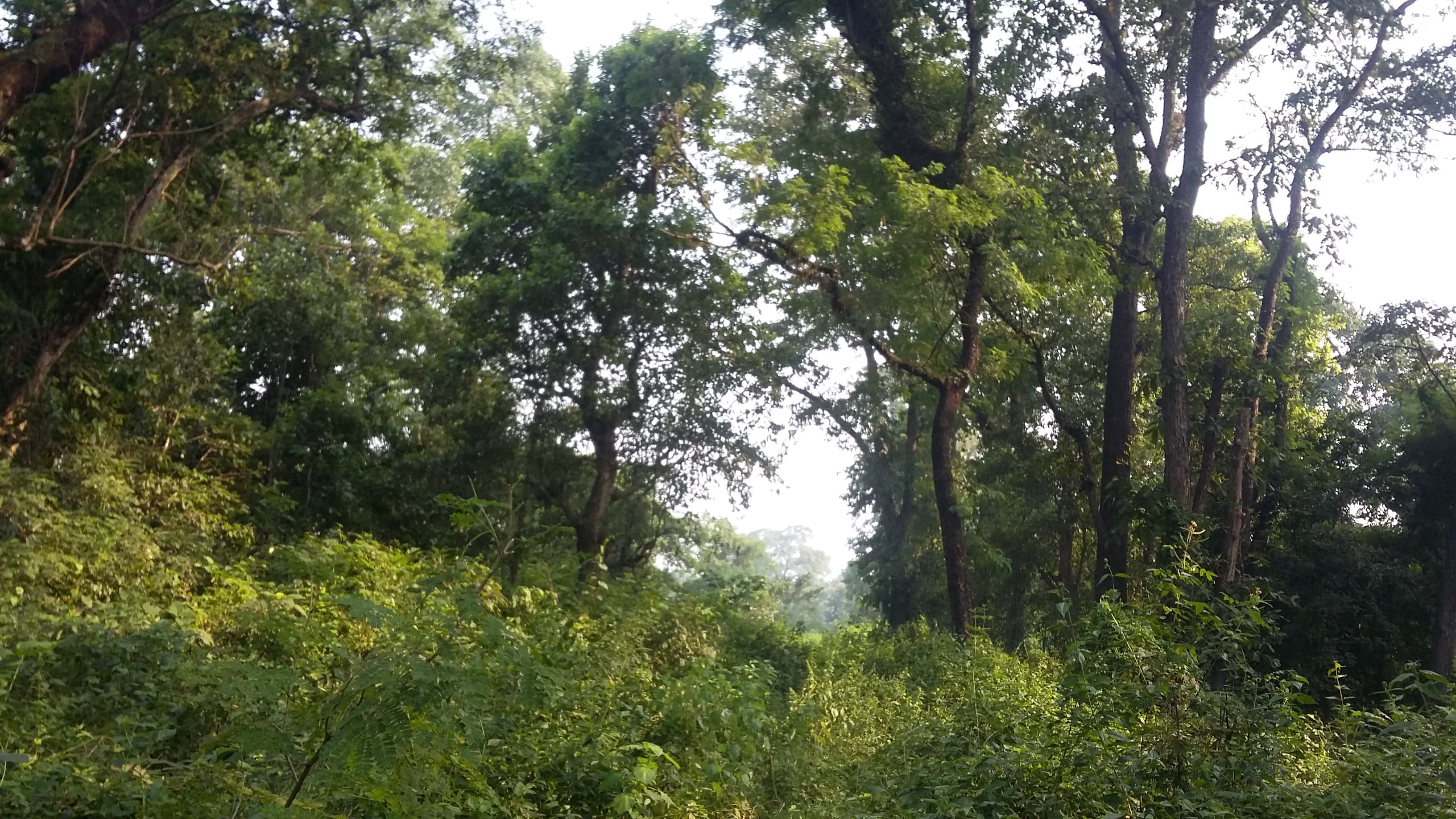
The dramatic elevation range stacks ecosystems vertically: subtropical sal forest below 2,000 m; temperate oak and rhododendron between 2,000 and 3,000 m; subalpine fir and juniper to around 3,600 m; and above, expansive alpine grasslands where yak and chauri herds graze in summer. By April, rhododendrons blaze red, pink and white through the forest canopy.

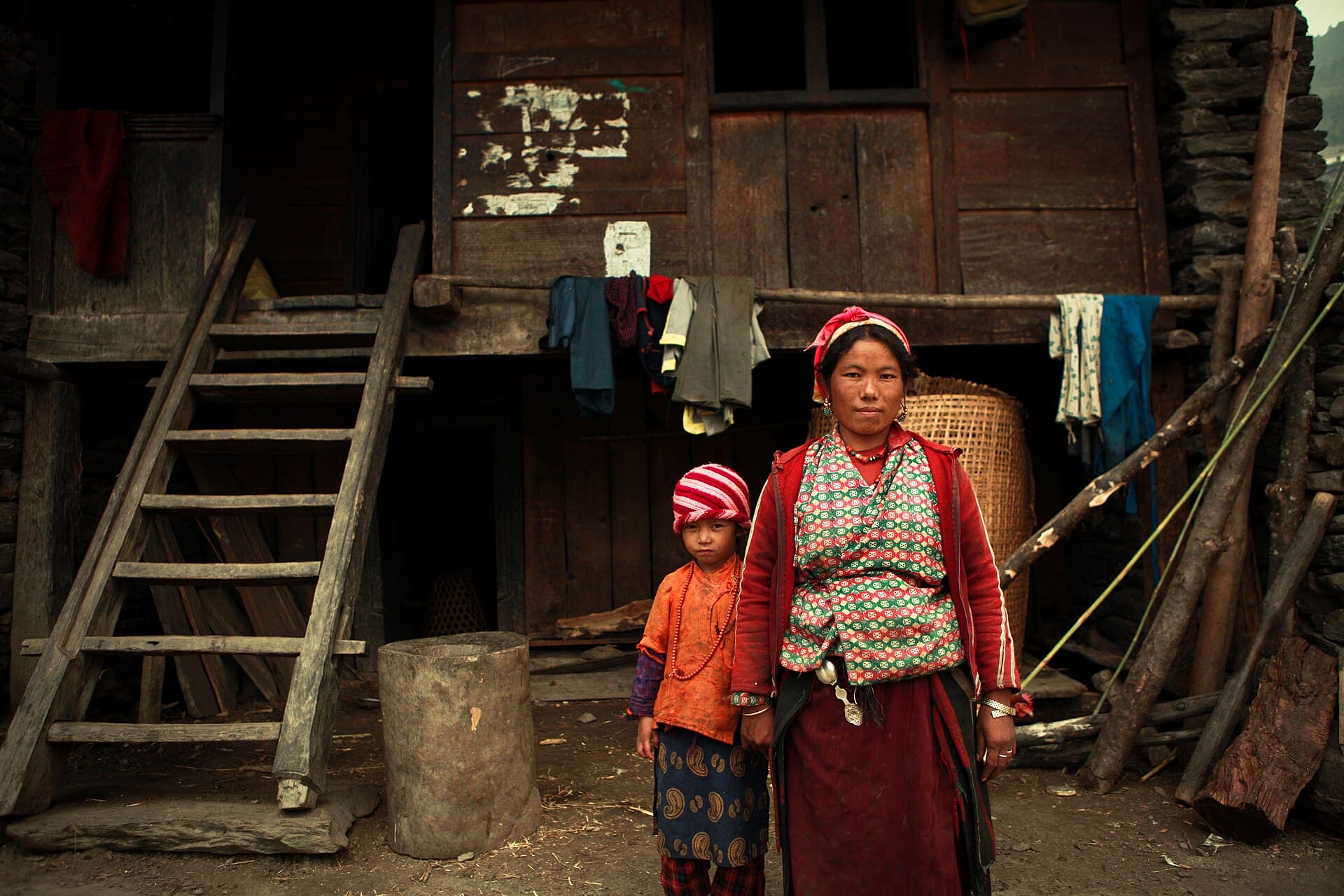
A Tamang village in the Langtang regionPhoto: Artem Zhushman · CC BY-SA 4.0

The Tamang People

An ancient Himalayan culture

The park is home to Tamang and Hyolmo communities who have lived here for centuries, preserving Tibetan-influenced traditions, monasteries and a way of life shaped by the old trade routes between Nepal and Tibet. The 2015 Gorkha earthquake triggered a catastrophic landslide that destroyed much of Langtang village; the community has since rebuilt, and the valley is again open to visitors.

Visiting

The Himalaya near at hand

Langtang offers a quieter, less-crowded Himalayan trek than Everest or Annapurna, within easy reach of Kathmandu.

Langtang Valley Trek

The classic route up the glacial valley to Kyanjin Gompa, beneath Langtang Lirung.

Gosainkunda Trek

A pilgrimage route to the sacred high lakes, often linked with the Helambu region.

Yala Peak

An accessible trekking peak (5,520 m) with panoramas of the Langtang range.

Acclimatise carefully — altitude sickness is a real risk. Best seasons are spring and autumn. Reached by road from Kathmandu to Syabrubesi. Confirm current trail conditions and permits.

Reference

Facts at a glance

Location
Nuwakot, Rasuwa & Sindhupalchok districts, central Nepal
Area
1,710 km² + 420 km² buffer zone
Elevation
~1,000 m to 7,245 m (Langtang Lirung)
Established
1976 — Nepal's first Himalayan national park
Gateway
Syabrubesi (road from Kathmandu, ~30 km north)
IUCN category
II (National Park)
Governing body
Department of National Parks and Wildlife Conservation
The Langtang range

Explore more of Nepal's parks

From the sacred lakes of Langtang to the deserts of Dolpo.