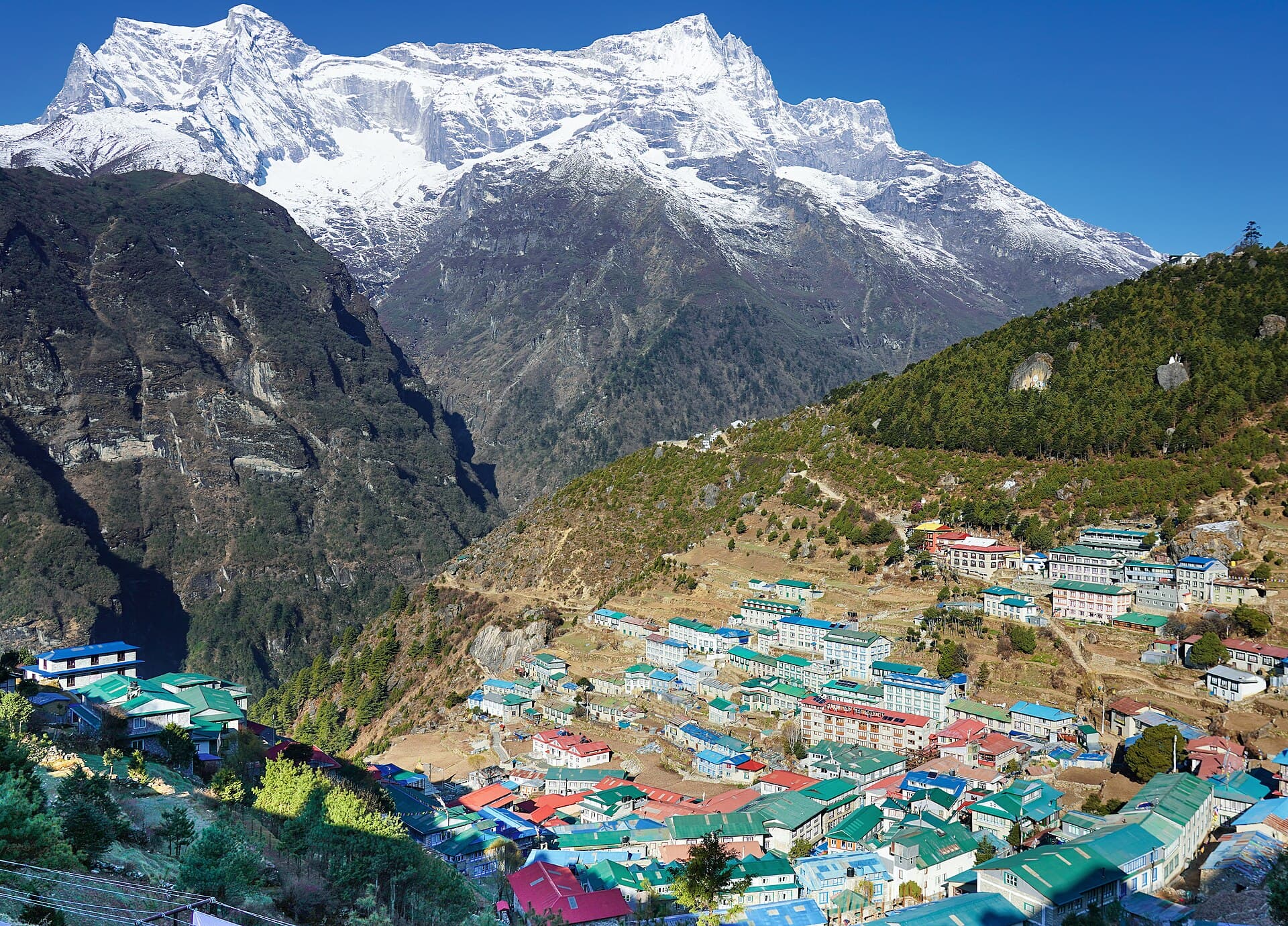
What to pack for Nepal's national parks
Nepal's national parks span roughly 8,800 vertical metres of altitude, from the subtropical floodplains of Chitwan at around 100 m to the summit of Everest at 8,849 m. No single packing list serves all of them. A visitor doing Chitwan and Sagarmatha on the same trip is effectively packing for two different countries — one humid and warm, one cold and thin-aired.
This page works by park type rather than as a generic checklist. Pack the layer that suits where you're going; skip the rest.
The principles
Three things shape every Nepal packing list:
Layering, not bulky single items. Nepal's temperatures shift dramatically from morning to midday to night, and from valley to ridge. Multiple thin layers you can add or remove beats a single thick one. This is especially true at altitude, where you may be in shorts at lunchtime and a down jacket two hours later.
Quick-drying fabrics. Cotton holds sweat and rain; synthetics and merino dry quickly. This matters more than people expect, especially on multi-day treks where you can't reliably dry laundry overnight.
Bring less than you think. Lodges in Kathmandu and Pokhara have laundry. Shops in Thamel stock essentially every trekking item you might have forgotten, often at lower prices than home (though quality varies — buy known brands for technical items). It's easier to add than to carry too much.
A practical detail: Nepal's domestic flights have strict luggage limits, especially Lukla flights at 12 kg checked + 5 kg hand. This sets a real ceiling on what you can take into the high parks. Pack to the limit, not against it.
For Terai parks (Chitwan, Bardiya, Banke, Parsa, Shuklaphanta)
The lowland parks are warm year-round. Even in the cooler months (December to February), daytime temperatures are pleasant; mornings and evenings can be properly cold from December through early February but never bitterly so.
Clothing
- Lightweight, long-sleeved shirts and trousers in light or muted colours. Long sleeves and trousers protect against sun, biting insects, and the dense vegetation. Skip black and very bright colours for wildlife viewing — animals see them more readily.
- A light fleece or warm layer for early-morning safaris in winter months (December–February). Mornings start around 5–6am and can be cold until the sun is up.
- A hat with a brim. The Terai sun is strong.
- Sturdy walking shoes or light hiking boots, broken in before you arrive. Avoid open sandals for walking safaris.
- A waterproof or wind-resistant outer layer for unexpected weather (rare in dry season, but worth having).
Wildlife-specific
- Binoculars. Even an inexpensive pair transforms wildlife viewing — rhinos at 50 metres are good; rhinos at 50 metres through 10x42 glass are extraordinary.
- A camera with reasonable zoom (200mm+ for wildlife). Phone cameras work for landscape and lodge moments but won't reach wildlife.
- Insect repellent with DEET or picaridin. The Terai has mosquitoes year-round; some carry dengue and (rarely) Japanese encephalitis.
Health and comfort
- Sunscreen (SPF 30+). The lowland sun is intense.
- A small first-aid kit with basics: plasters, blister care, paracetamol, anti-diarrhoea medication.
- A water bottle with filtration capacity (e.g. LifeStraw, Grayl, or Steripen) — reduces single-use plastic dramatically.
What you don't need
- Heavy winter gear. The Terai never gets cold enough.
- Specialised technical clothing. Light walking gear is fine.
- A serious sleeping bag. Lodges provide bedding.
For high-Himalayan parks (Sagarmatha, Langtang, Shey Phoksundo, Makalu Barun, Rara, Chhayanath)
This is where packing gets serious. You're going to altitude in temperatures that can swing 30°C between midday sun on a south-facing slope and pre-dawn at a high camp. The list below assumes a standard teahouse trek (Everest Base Camp, Annapurna Circuit, Langtang valley); camping expeditions need substantially more.
Layering system (the foundation)
- Base layer: Merino wool or synthetic thermal top and bottom. One set worn, one spare. Cotton is dangerous at altitude — when sweat-soaked, it doesn't insulate.
- Mid layer: Fleece or light insulated jacket. A 200-weight fleece or equivalent works for most conditions; pair it with a down or synthetic puffy jacket for cold nights and rest stops.
- Insulated layer: A serious down jacket (rated for ~-10°C or colder, depending on season). Above 4,000 m on the EBC or Annapurna Circuit routes, you'll wear this often.
- Shell layer: Waterproof and windproof jacket and trousers. Goretex or equivalent. Critical not just for rain but for wind exposure on ridgelines and passes.
Lower body
- Trekking trousers — two pairs, ideally with zip-off legs.
- Thermal long johns for high-altitude sections.
- Hiking shorts if you trek in spring or summer.
Footwear
- Sturdy mid-weight hiking boots, broken in over multiple long walks before you leave home. New boots on a Nepal trek is the most common blister mistake.
- Camp shoes for evenings — light trainers, sandals with socks (the universal trekker uniform), or down booties for very cold trips.
- Hiking socks: 3–4 pairs of merino or technical socks. Bring a thinner liner pair if you're prone to blisters.
- Gaiters for any winter trek or anywhere snow is likely.
Head and hands
- A warm hat (beanie) that covers ears.
- A sun hat or cap with brim.
- A buff or neck gaiter — versatile, lightweight, useful at altitude where sun reflection off snow is brutal.
- Gloves: a lightweight pair for walking, a heavier insulated pair for cold mornings and high points.
- Sunglasses with high UV protection (category 3 or 4). Above 4,000 m sun reflection off snow can cause snow blindness; this is real, painful, and avoidable.
Sleeping
- A four-season sleeping bag rated comfortable to at least -10°C, ideally -15°C for EBC and similar treks. Teahouse blankets are often inadequate.
- A sleeping bag liner adds warmth and keeps the bag cleaner. Silk or cotton; weight matters.
Pack
- A trekking backpack 50–65 litres if you're carrying everything yourself. Most trekkers use a porter or pack animal for the heavy gear and carry a 20–30 litre daypack with water, snacks, camera, layers, and valuables.
- A duffel bag (no wheels, no frame) for porter-carried gear if applicable. Many agencies provide these.
- A rain cover for both pack and daypack.
Health and safety at altitude
- A water filter or purifier — bottled water is increasingly discouraged at altitude due to plastic waste, and most teahouses now sell filtered/boiled water you can refill.
- Trekking poles. Reduce knee strain on descents and aid balance on uneven terrain.
- First-aid kit including altitude-specific items: Diamox (acetazolamide — discuss with your doctor before travel), ibuprofen, anti-nausea medication, throat lozenges, blister care, antibiotic ointment.
- A headlamp with spare batteries (cold weather drains batteries fast).
- Hand and toe warmers (the disposable chemical kind) — small comfort items that matter.
Documents
- Passport with sufficient blank pages and at least 6 months remaining validity.
- Printed copies of permits (some checkpoints reject digital copies).
- Travel insurance documents including helicopter evacuation cover.
- A few passport photos (for permit applications).
What you don't need
- Jeans or heavy cotton. Useless when wet, slow to dry.
- More than 2–3 changes of clothes per category. You'll wear the same things for days; everyone does.
- Excessive electronics. A phone, a camera, a power bank, and a headlamp is enough for most people. Charging at altitude costs money (most teahouses charge per device).
For Khaptad and Shivapuri Nagarjun
The middle-hill parks need a hybrid of the two lists above. Khaptad's plateau temperatures are mild year-round (rarely below 0°C, rarely above 20°C); pack as for a temperate-zone hike with good rain gear during and after monsoon. Shivapuri Nagarjun is a day hike from Kathmandu — light walking clothes, water, rain jacket as needed, sturdy trainers or light boots are sufficient.
A note on responsible packing
A few items worth thinking about before you arrive:
Water purification over bottled water. Single-use plastic bottles are a serious problem in Nepal's mountain regions; the waste is highly visible in places like Sagarmatha. A filter or purifier costs less in waste over a trek than the bottles you'd otherwise buy.
Quality over quantity. Cheap synthetic clothing wears out fast and ends up in landfill in countries that can't process it. Buying a few well-made pieces that last is better for everyone.
Leave space for souvenirs and gifts. Nepali handicrafts, fabrics, and tea are excellent. Leaving 15–20% pack capacity for the journey home is worth the foresight.
Donations to lodges and porters. Some travellers bring outgrown children's clothing, school supplies, or basic medical items for the communities they visit. If you do this, give to a recognised organisation or your lodge owner rather than handing items directly to children on trails — direct giving can encourage begging behaviour and undermines schools and parents.
Next in /plan:
- Safety and altitude — the serious one
- Visiting respectfully — community context
- When to visit — the seasonal calendar
This is a planning guide, not gear advice. For specific brands and technical recommendations, established outdoor publications and specialist trekking forums are better resources. Verify any altitude-specific medication with your doctor before travel.