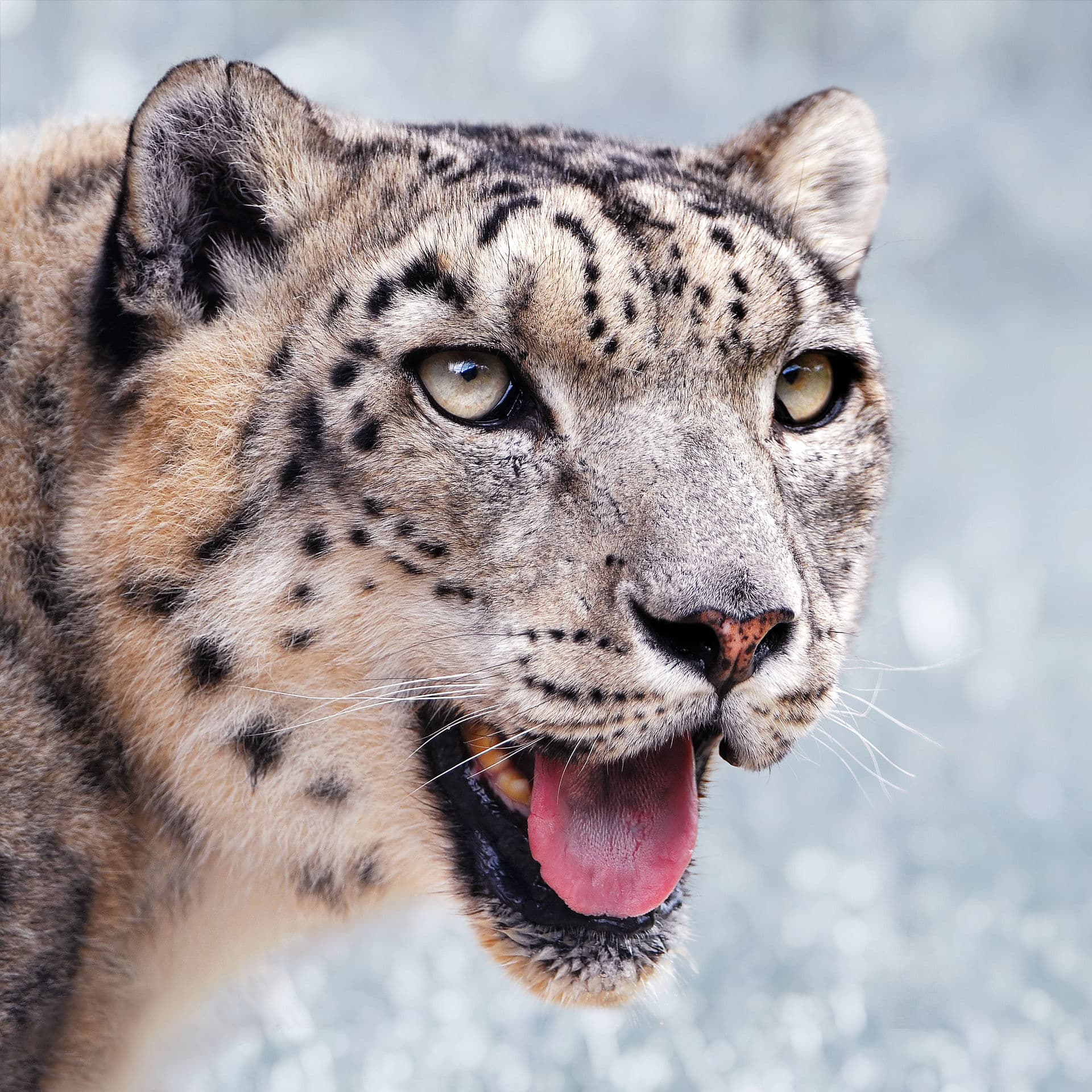
High above the treeline, where bare rock meets snow and the air thins toward the Tibetan plateau, lives the most elusive of all Nepal's animals: the snow leopard. Several of the country's high-Himalayan national parks protect it, almost always alongside its main prey, the blue sheep. Seeing one is the stuff of a lifetime's luck — but knowing where it lives is the first step.
Shey Phoksundo: the heartland
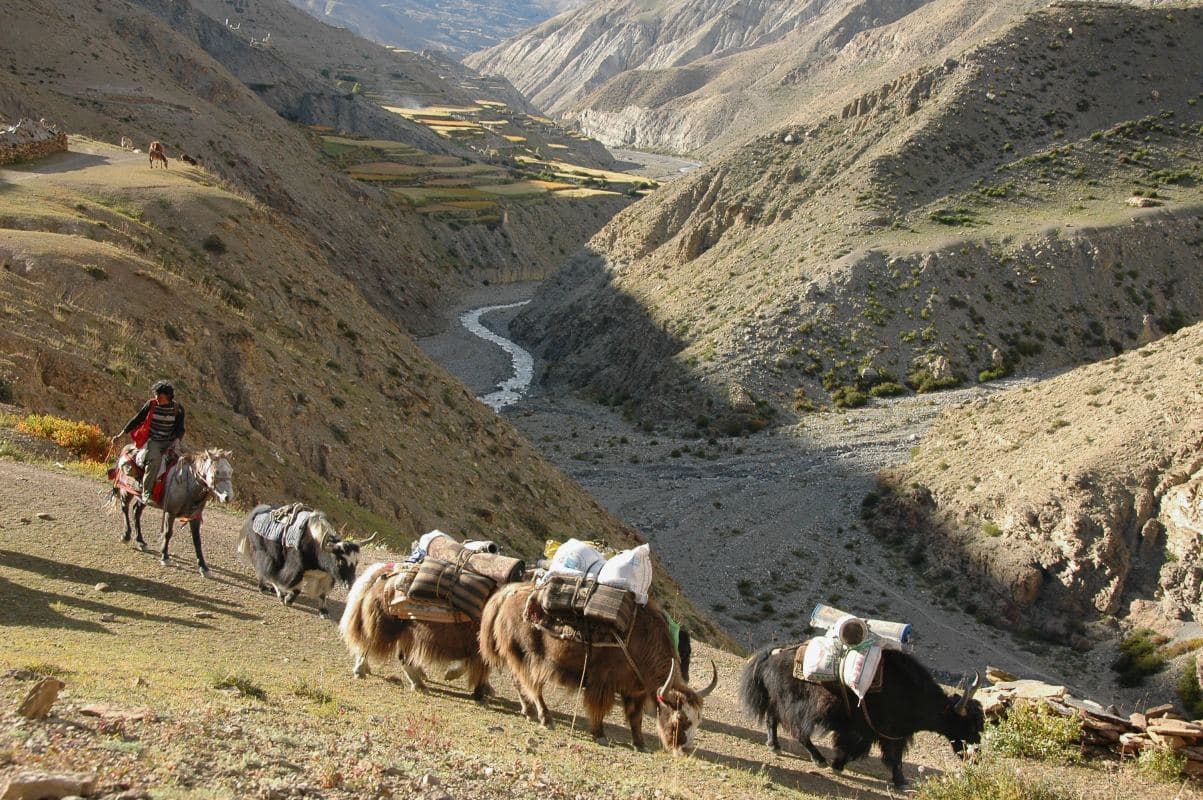
If Nepal has a snow leopard capital, it is Shey Phoksundo. The country's largest national park — a vast, arid, trans-Himalayan wilderness in the Dolpo region — is thought to hold around 90 snow leopards, among the highest densities found anywhere in the world. The landscape is perfect for them: high blue-sheep populations, broken terrain for stalking, and very few people.
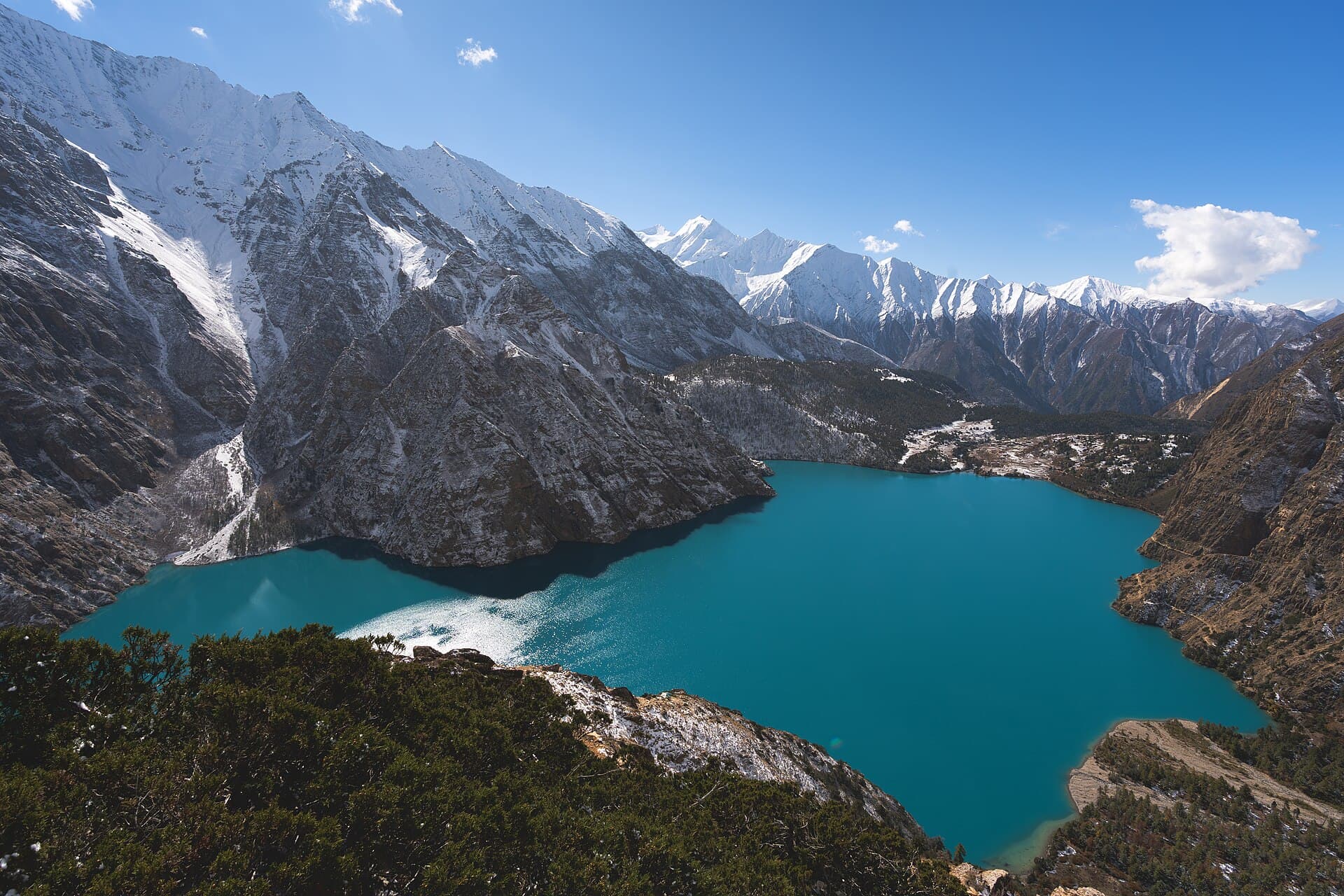
It is also the hardest to reach. Trekking here is remote and demanding, the inner Dolpo routes are restricted, and the rewards are as much cultural — ancient Bon and Buddhist monasteries, the turquoise Phoksundo Lake — as they are about the cat itself. In 2025 a portion of this landscape was carved off to create Chhayanath National Park, Nepal's newest, extending protection across more of the same high country near the Tibetan border.
Sagarmatha: Everest's hidden cat
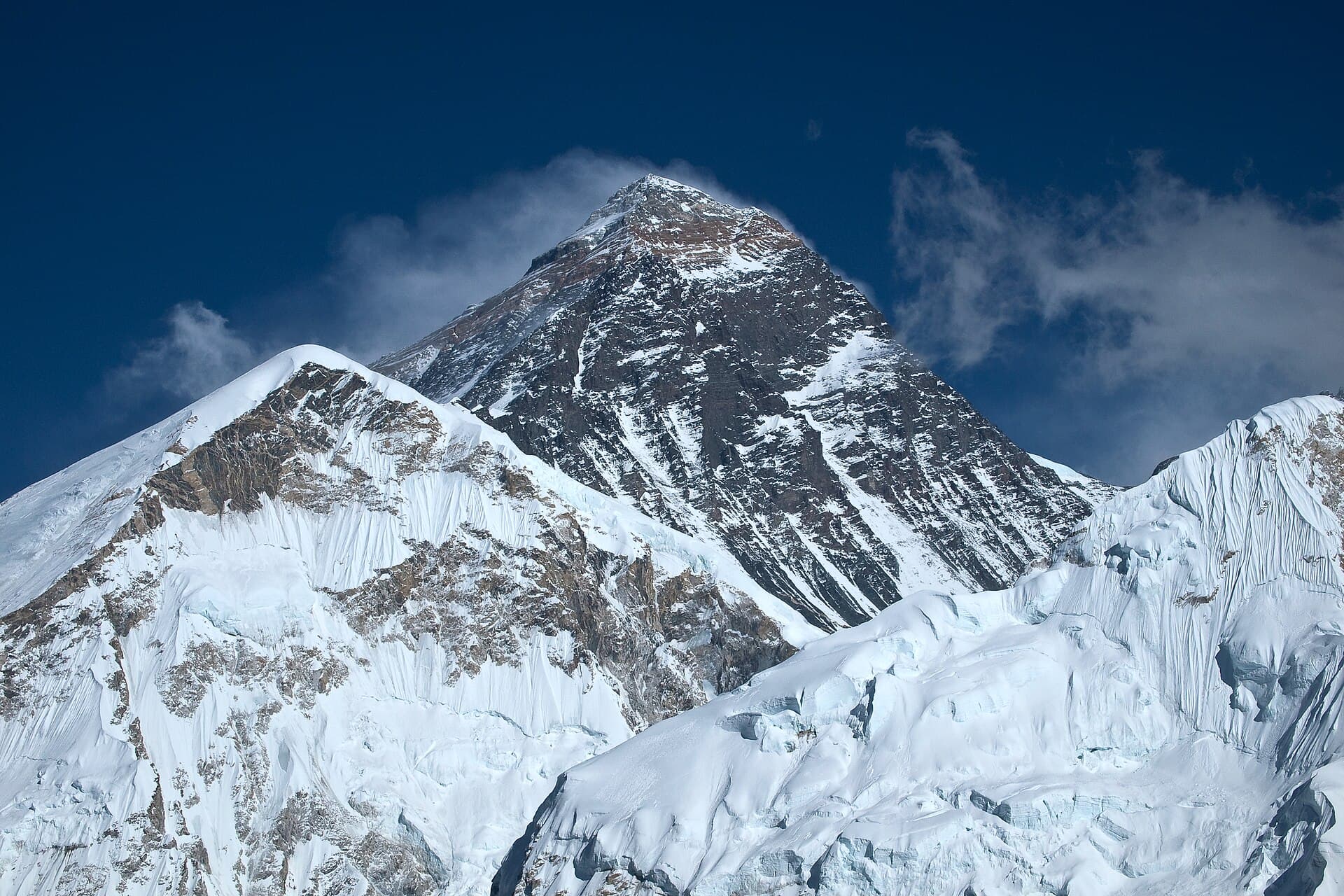
The snow leopard also prowls the heights of Sagarmatha, the national park around Mount Everest. With roughly 69% of the park lying above 5,000 metres, there is plenty of the steep, rocky terrain the cat favours, and it shares the slopes with Himalayan tahr, musk deer and the red panda in the lower forests. Trekkers on the Everest and Gokyo trails pass through its range constantly — and almost never see it.
Makalu Barun and Langtang: the central and eastern ranges
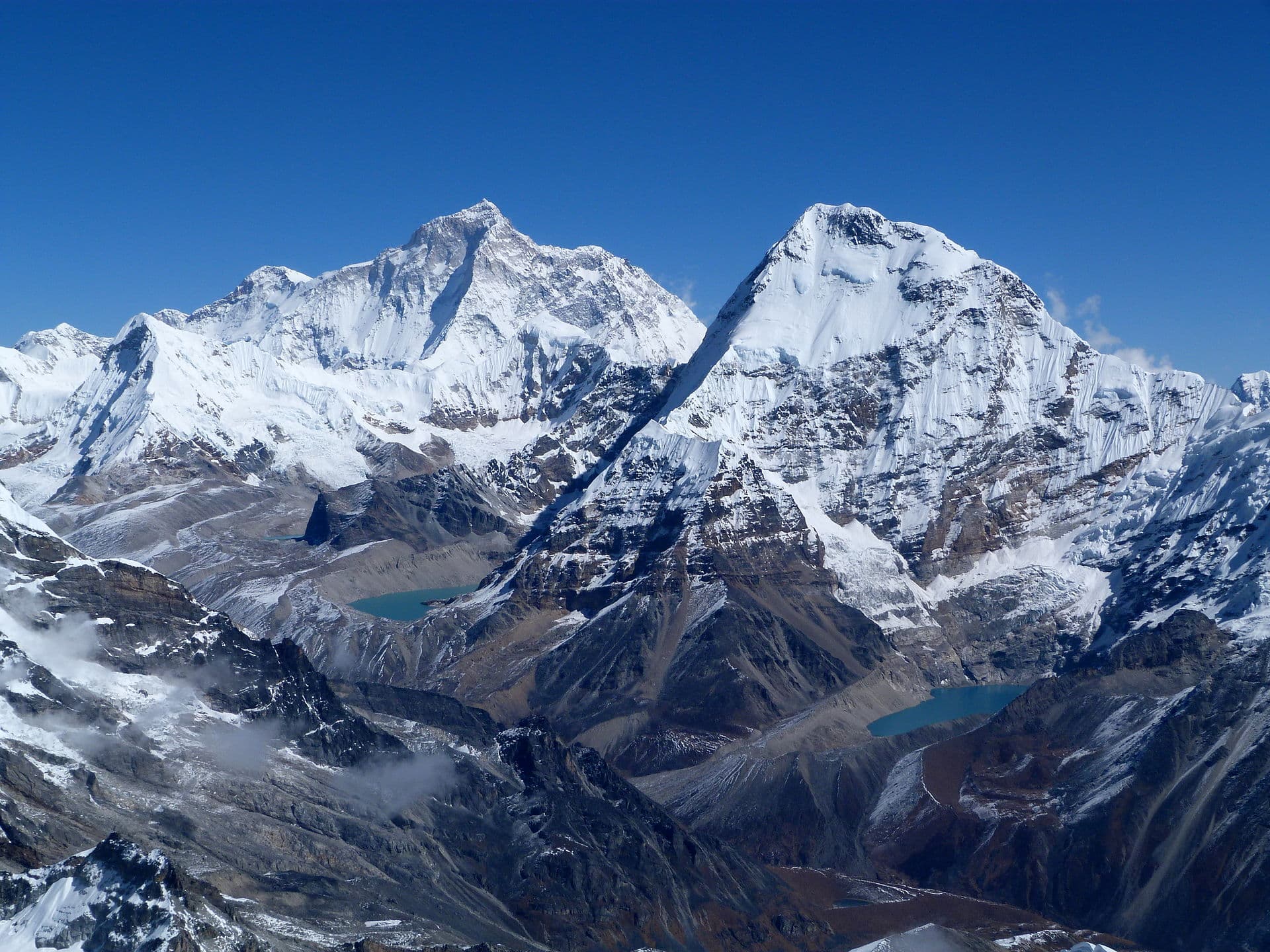
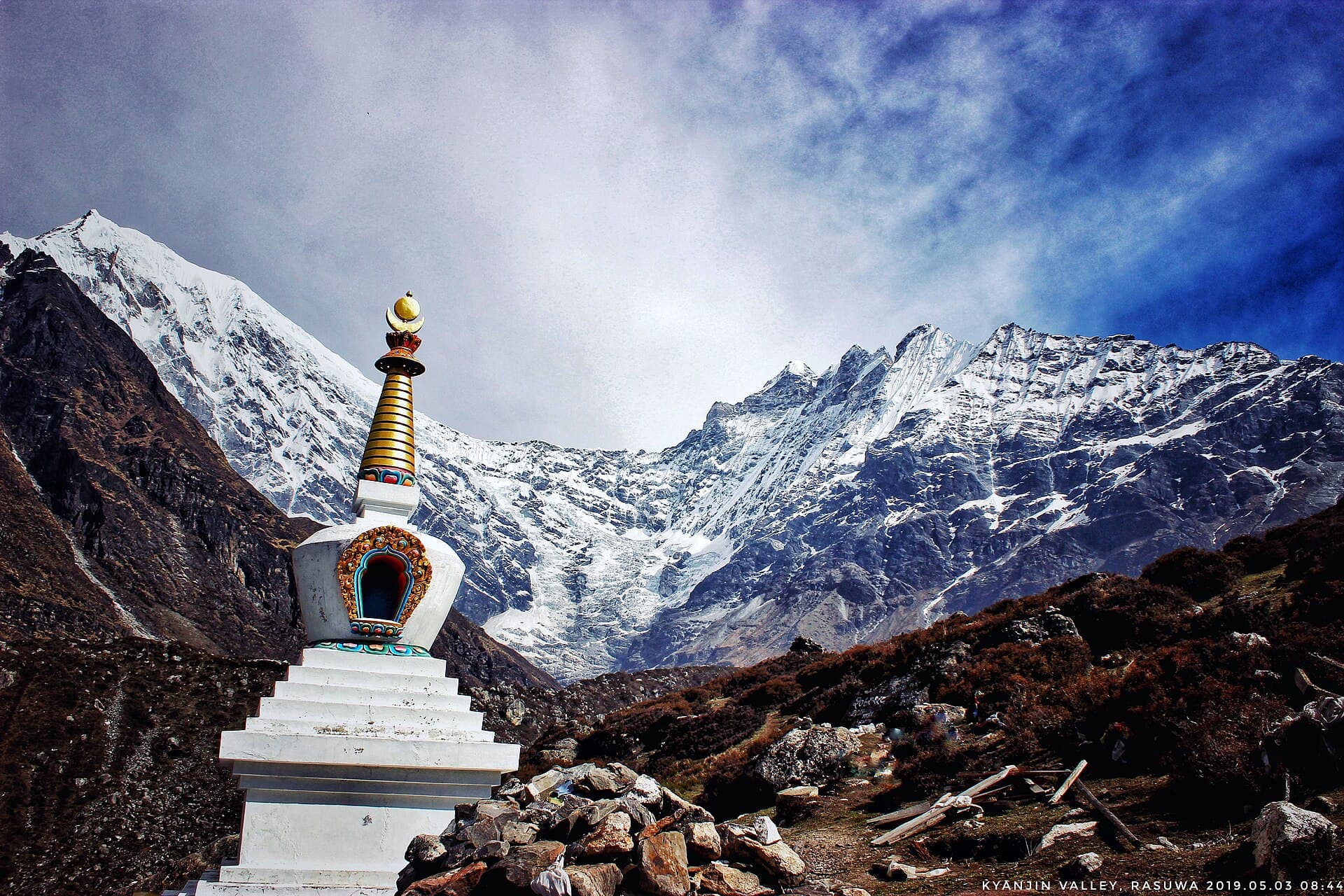
Two more parks round out the snow leopard's Nepali range. Makalu Barun, in the far east around the world's fifth-highest peak, is one of the country's least-trafficked wildernesses, climbing from tropical valley to nival zone and sheltering snow leopard and red panda alike. Langtang, the closest Himalayan park to Kathmandu, also holds the cat among its red pandas, tahr and musk deer — making it the most accessible place to simply stand in snow leopard country, even if the animal stays hidden.
Will you actually see one?
Honestly: probably not. The snow leopard is solitary, superbly camouflaged and present in low numbers across enormous, difficult terrain — its nickname, the "grey ghost," is well earned. What you can realistically hope for is to read its world rather than meet it:
- Look for the prey. Herds of blue sheep (bharal) on the high slopes are the surest sign you are in snow leopard range.
- Watch for signs. Pugmarks, scrapes and scat along ridgelines are how researchers track them — and how you, with a good guide, might too.
- Go high, go slow, go in the cold. Dedicated winter sightings happen when the cats follow prey to lower elevations, but this is specialist, expedition-style travel.
For almost everyone, the gift of these parks is the country itself — the blue sheep on the scree, the monasteries on the cliffs, and the knowledge that somewhere on the slope above, the ghost is watching back.