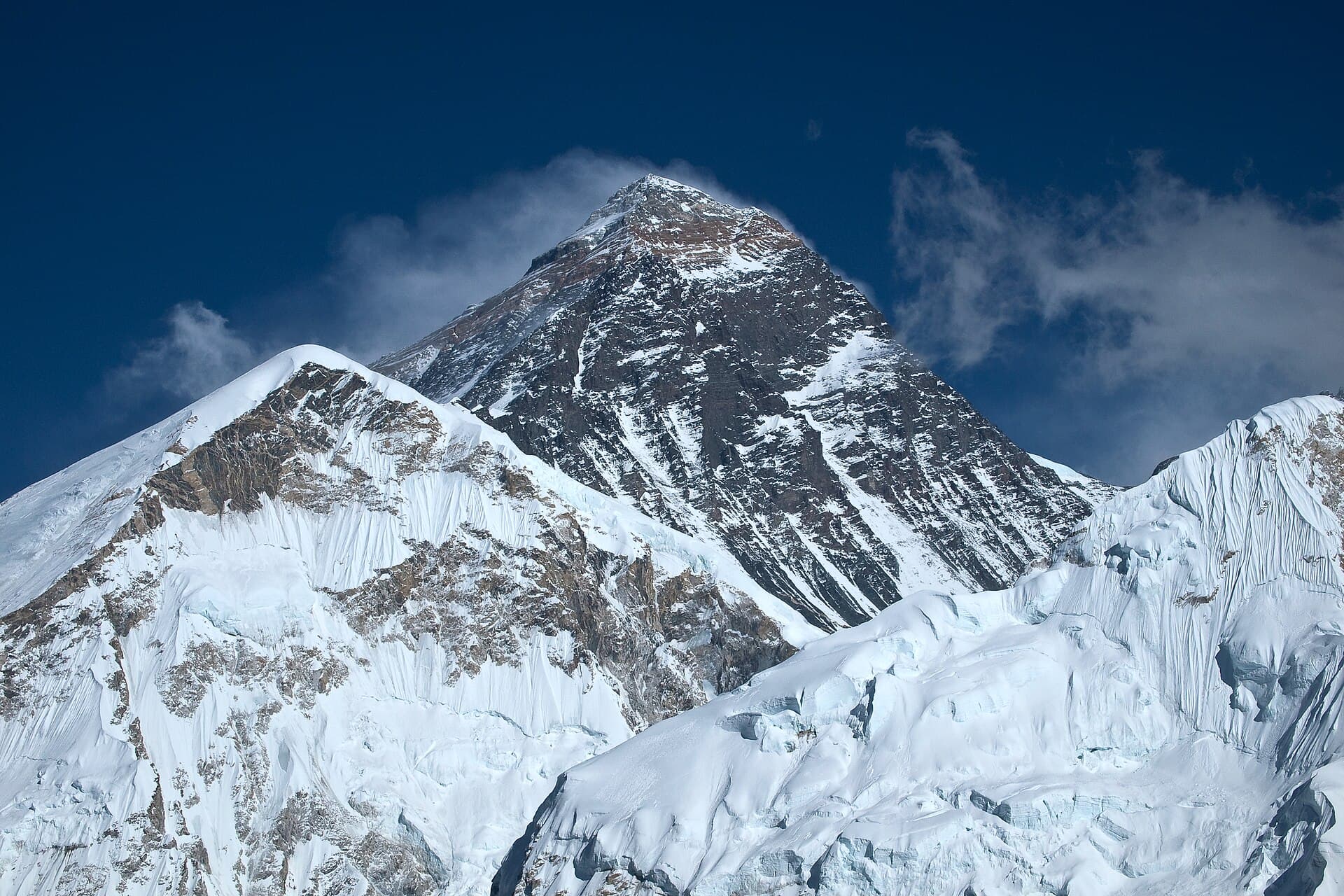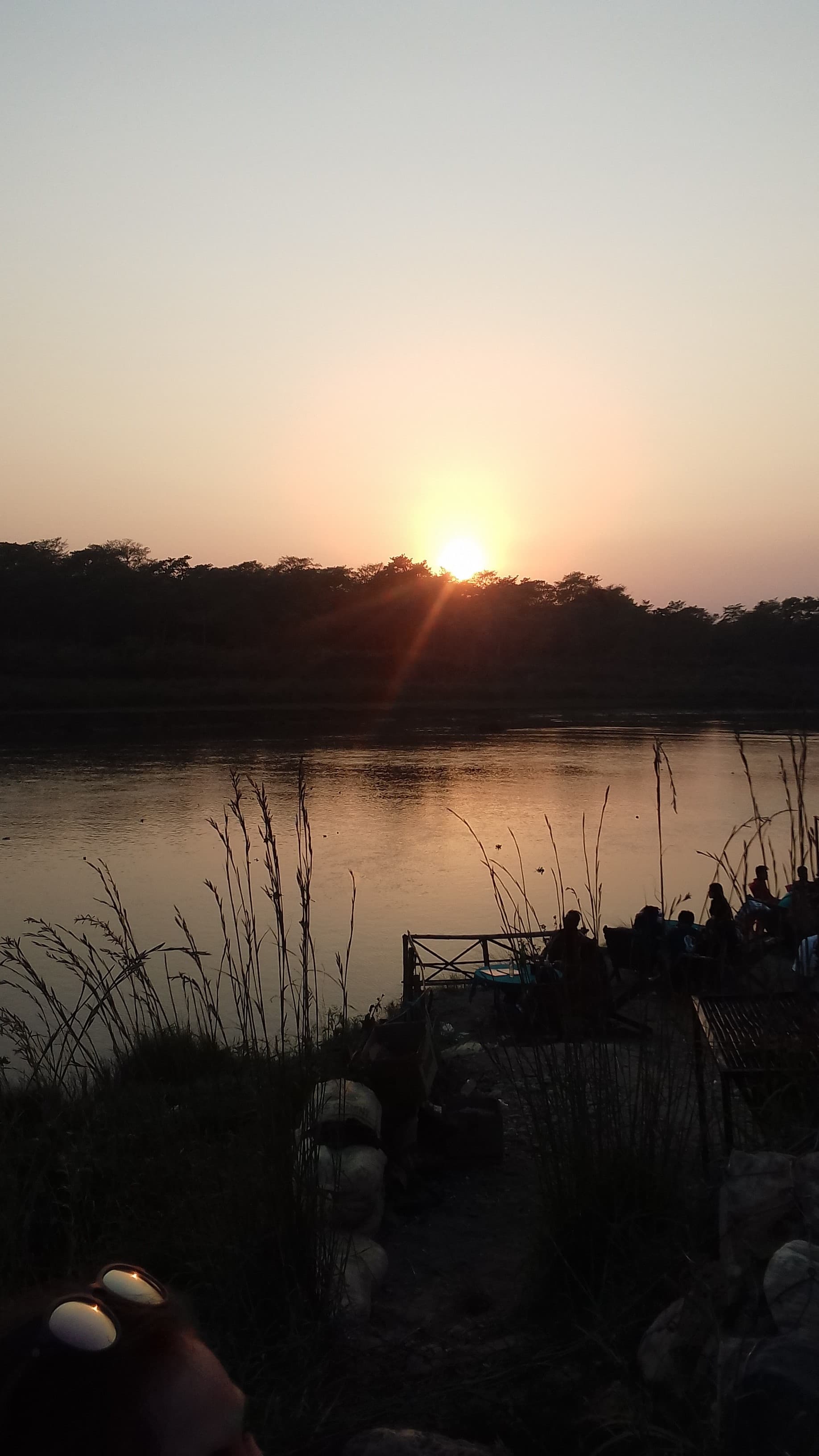
"When should I visit Nepal's national parks?" has no single answer, because the parks span almost the entire range of life on Earth — from the subtropical Terai a couple of hundred metres above sea level to the glaciers of Sagarmatha above 8,000. The right season depends entirely on which world you are heading for. Here is the quick version:
| Season | Months | Terai parks (lowland safari) | High mountain parks (trekking) |
|---|---|---|---|
| Autumn | Oct–Nov | Excellent — peak conditions | Peak trekking season |
| Winter | Dec–Feb | Excellent wildlife, cool nights | Cold and snowy up high; lower routes possible |
| Spring | Mar–May | Good early, hot by late spring | Peak trekking; rhododendron in bloom |
| Monsoon | Jun–Sep | Hot, wet and lush; fewer visitors | Generally avoid — except the rain-shadow north |
Autumn (October–November): the all-rounder
If you can only come once, come in autumn. After the monsoon clears, the skies are at their cleanest and most stable, the mountain views are sharpest, and temperatures are comfortable almost everywhere. It is peak trekking season in the high parks like Sagarmatha and Langtang, and the start of prime wildlife-viewing in the Terai as the grasses die back. It is also the busiest time — plan and book ahead.
Winter (December–February): Terai prime time
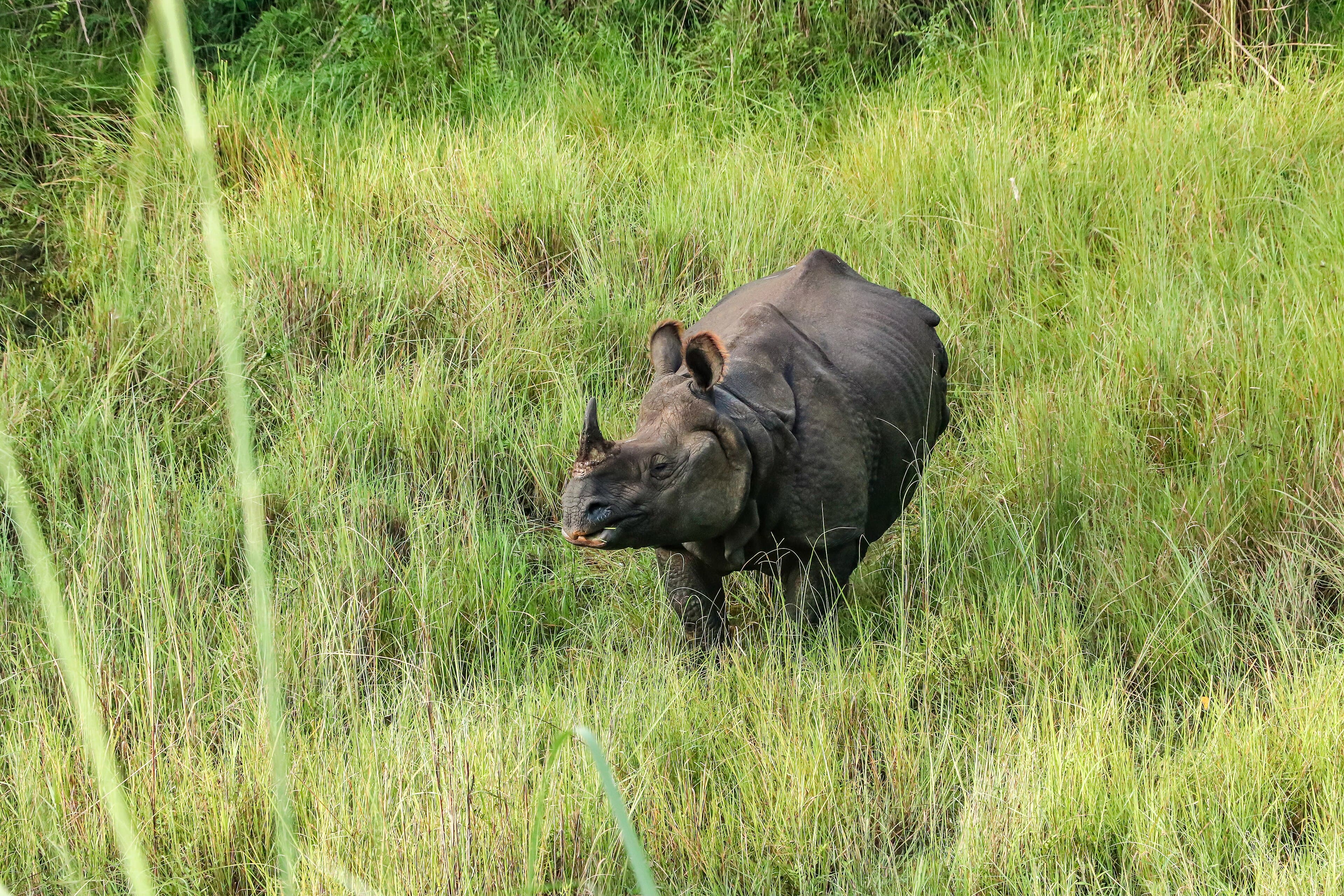
Winter is arguably the best season for lowland wildlife. In Chitwan, Bardiya and the other Terai parks the air is dry and mild by day (nights can drop to around 5°C), the vegetation is low, and animals gather near water — excellent conditions for spotting rhinos, deer and, with luck, tigers. Winter also brings flocks of migratory birds to the wetlands.
Up high it is a different story: deep cold and snow close many high passes, though lower-elevation hill walks — for instance in Shivapuri Nagarjun on the Kathmandu Valley rim — remain pleasant year-round.
Spring (March–May): trekking and rhododendron
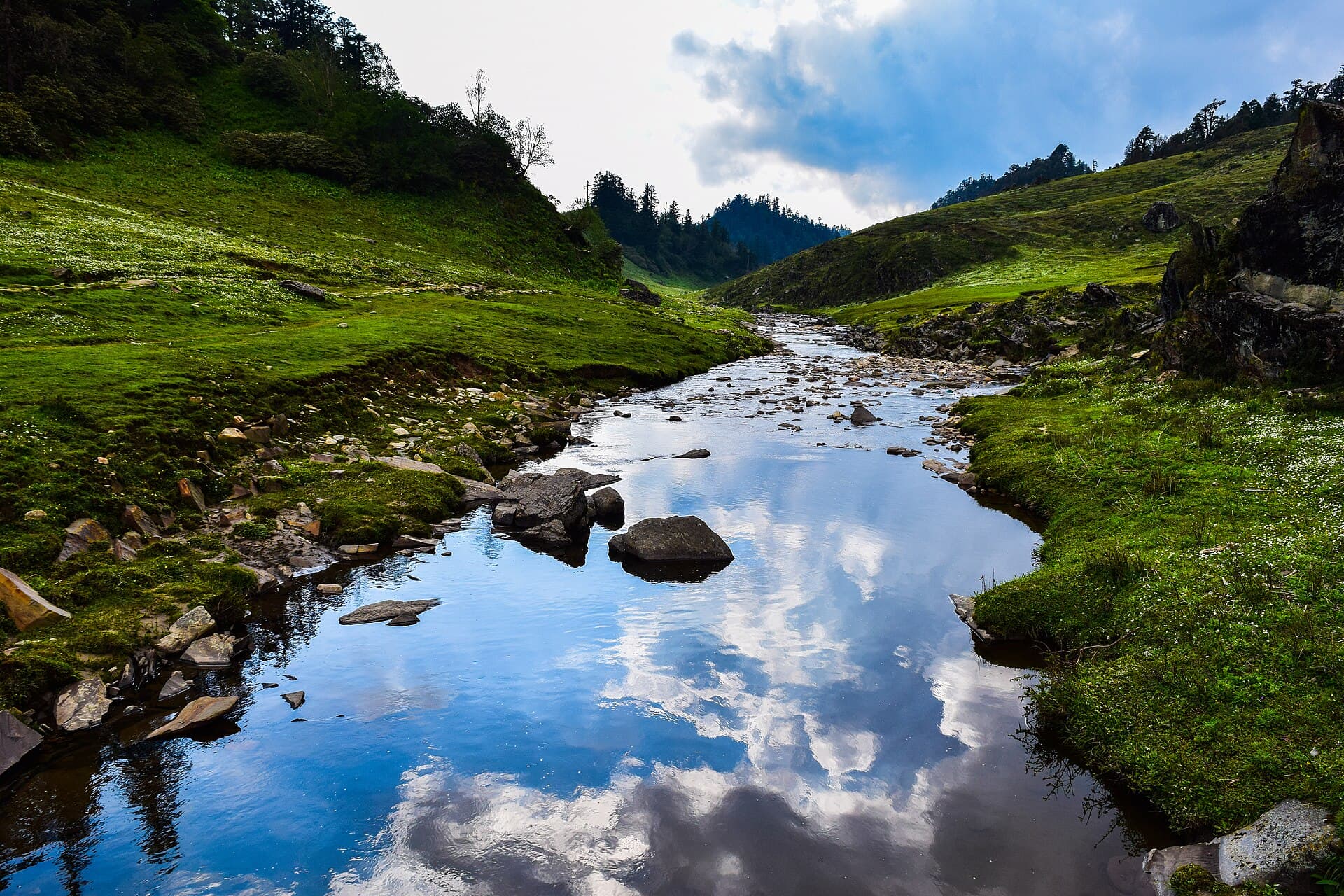
Spring is the second great trekking window, and for many the most beautiful: the Himalayan slopes blaze with rhododendron blooms, and the high parks are open and busy again. The sacred plateau of Khaptad in the far west, with its rolling meadows, is a spring-and-autumn delight. In the Terai, early spring is still good for wildlife, but by April and May the lowlands turn hot and hazy ahead of the rains.
Monsoon (June–September): wet, green, and quiet
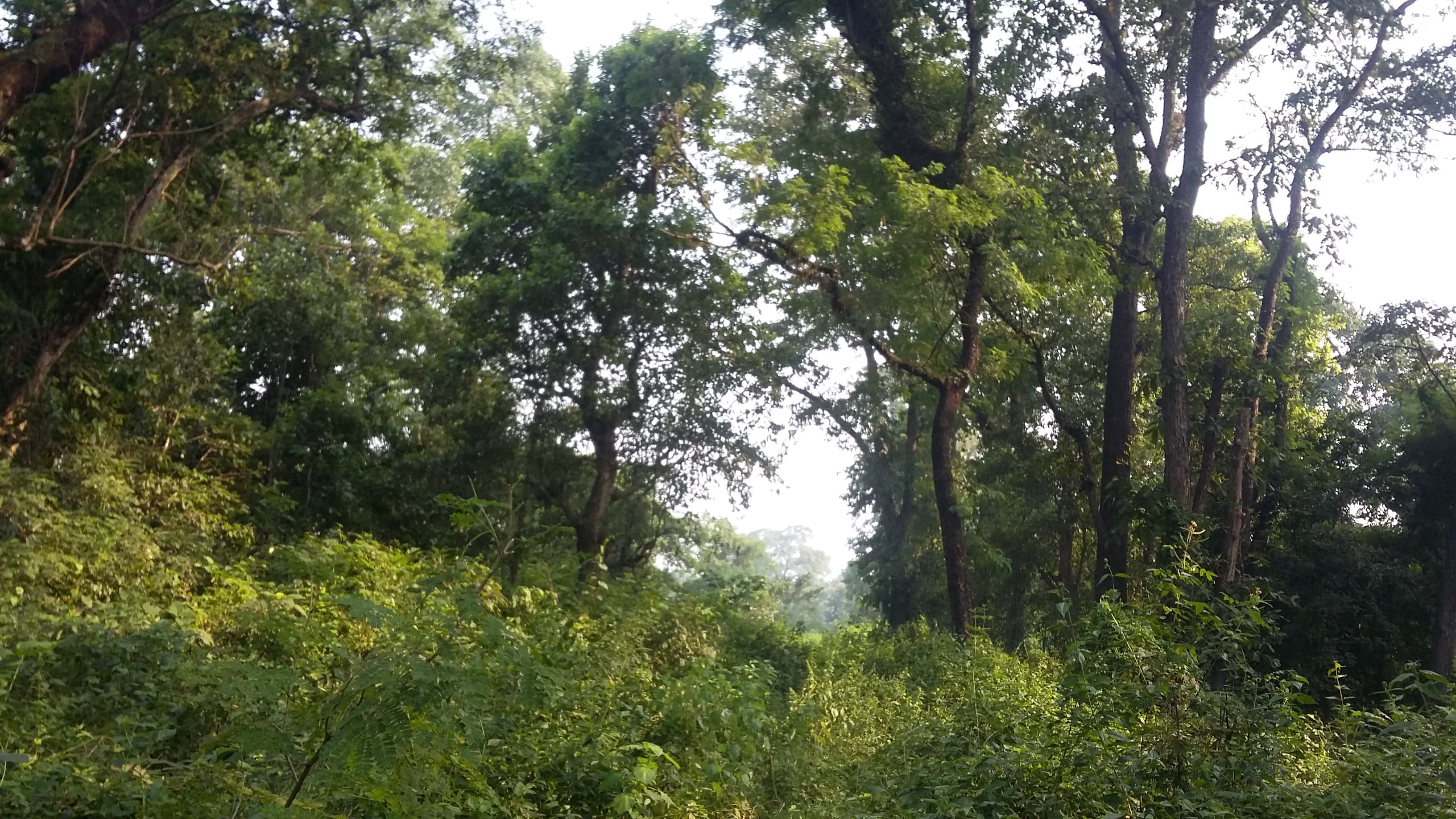
The summer monsoon brings heavy rain to most of the country from roughly June to September. The Terai becomes hot and humid, trails turn muddy, leeches appear in the forests, and many high treks are best avoided amid cloud and landslide risk. The upside: the landscape is at its most lush, birds are breeding, and there are very few other visitors.
There is one notable exception. The trans-Himalayan north — the Dolpo country of Shey Phoksundo — lies in the rain shadow behind the main range, staying relatively dry while the rest of Nepal is soaked. For experienced, well-prepared trekkers, the monsoon months can actually be a viable window for these remote high deserts.
The bottom line
- Want one trip that does everything? Aim for October–November.
- Here mainly for Terai wildlife? December–February is hard to beat.
- Here mainly to trek? Spring or autumn — spring for the flowers, autumn for the views.
- Travelling in the monsoon? Think rain-shadow Dolpo, or accept a lush, quiet, wetter lowland trip.
Whatever the season, treat any specific dates, festival timings and weather as a starting point rather than a promise — mountain conditions in particular change fast.