Every national park in Nepal charges an entry fee, and the high trekking parks often require additional permits. The catch for trip-planners is that the exact amounts differ from park to park and change from time to time — so this guide deliberately explains how the system works rather than handing you a price list that may be out of date by the time you read it. We state one fee with confidence (because we verified it), and point you to the official sources for the rest.
How the fee structure works
Park entry fees in Nepal generally follow a three-tier structure, charged per person per entry:
- Foreign visitors pay the most;
- SAARC nationals (citizens of neighbouring South Asian countries) pay a reduced rate;
- Nepali citizens pay a small nominal fee.
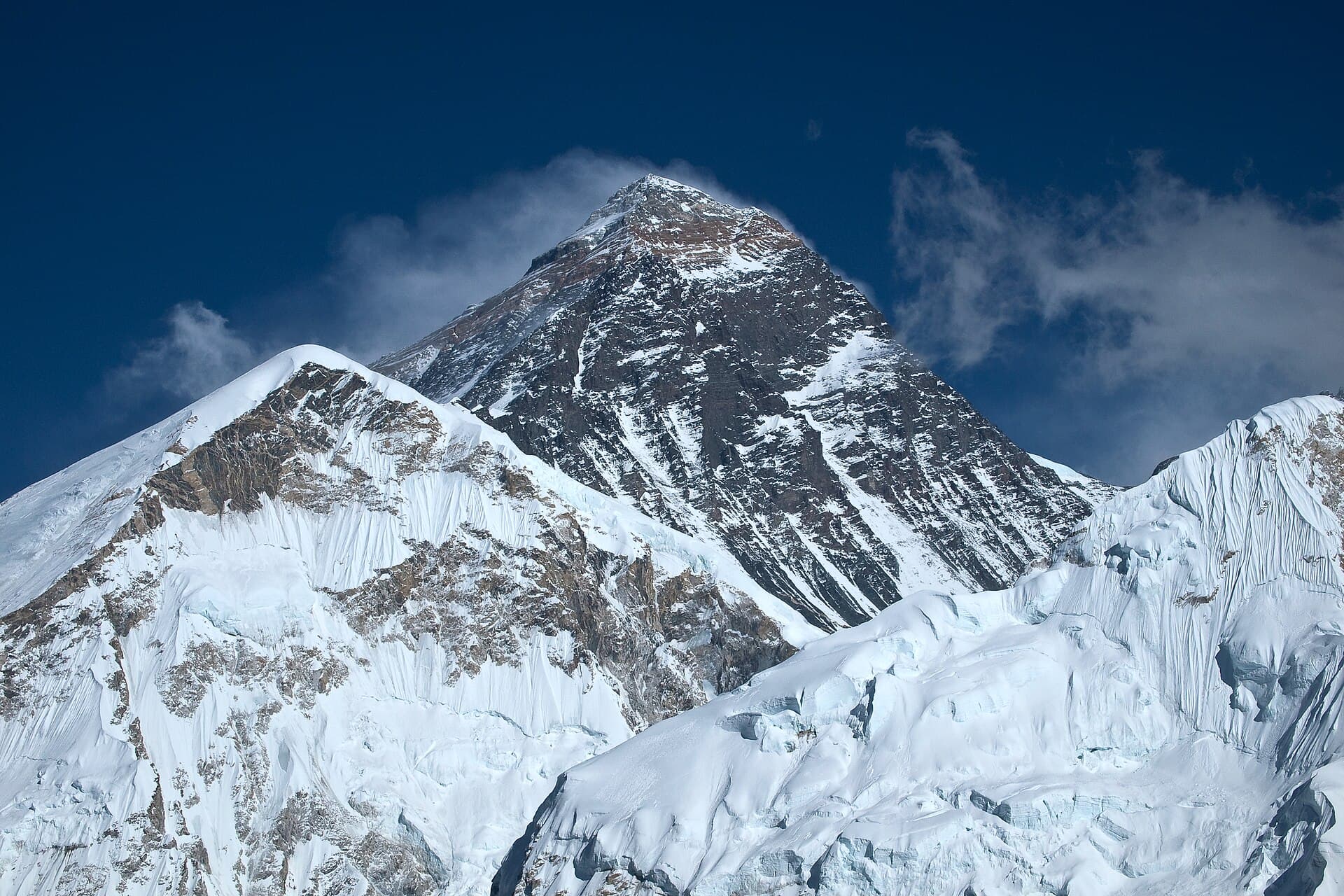
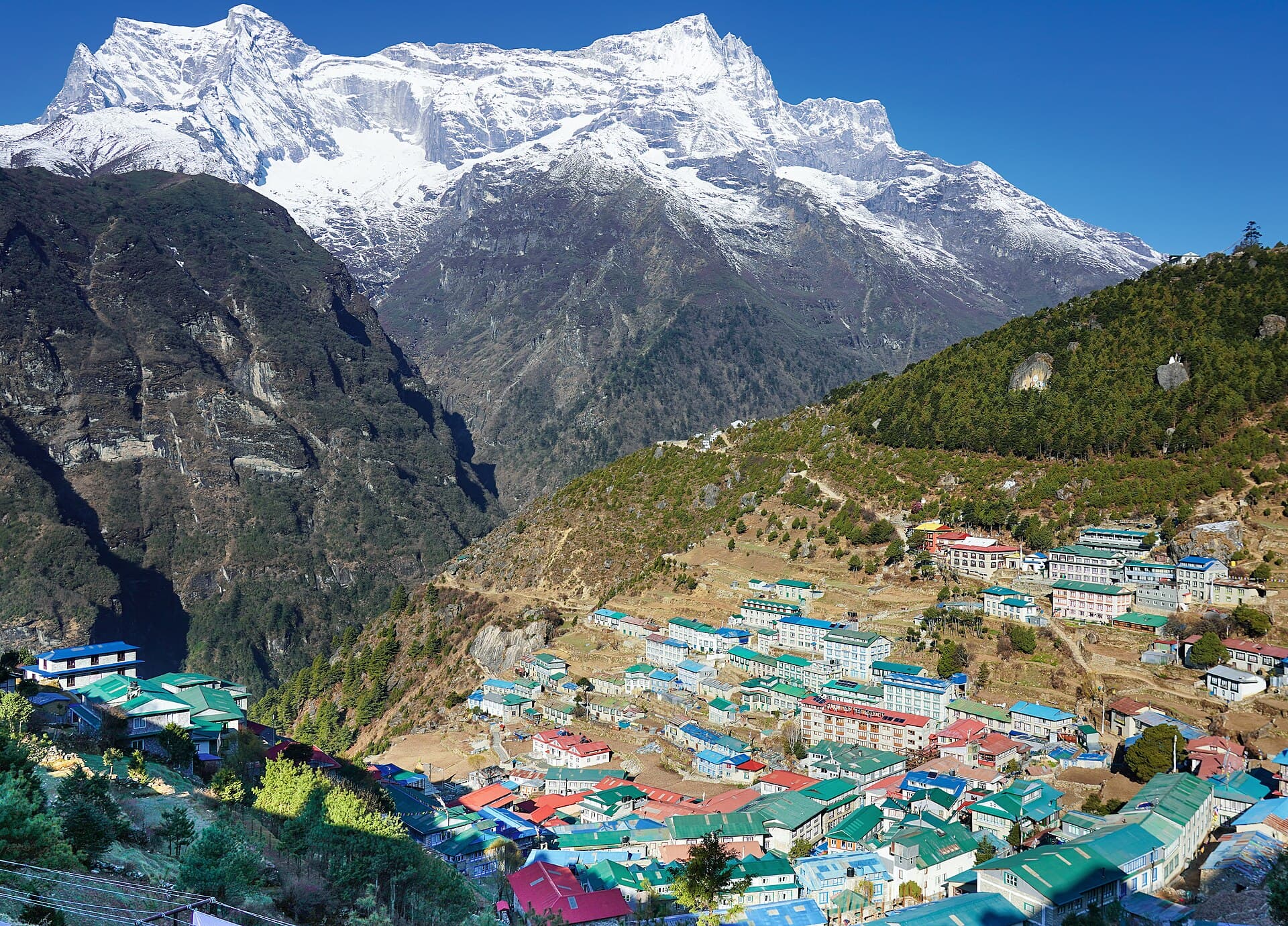
The clearest published example is Sagarmatha National Park, the park around Everest. The Nepal Tourism Board lists its entry fee as NPR 3,000 for foreign visitors, NPR 1,500 for SAARC nationals and NPR 25 for Nepali citizens, per person per entry (source: Nepal Tourism Board — Sagarmatha National Park). Treat even this as indicative and confirm the current amount before you travel.
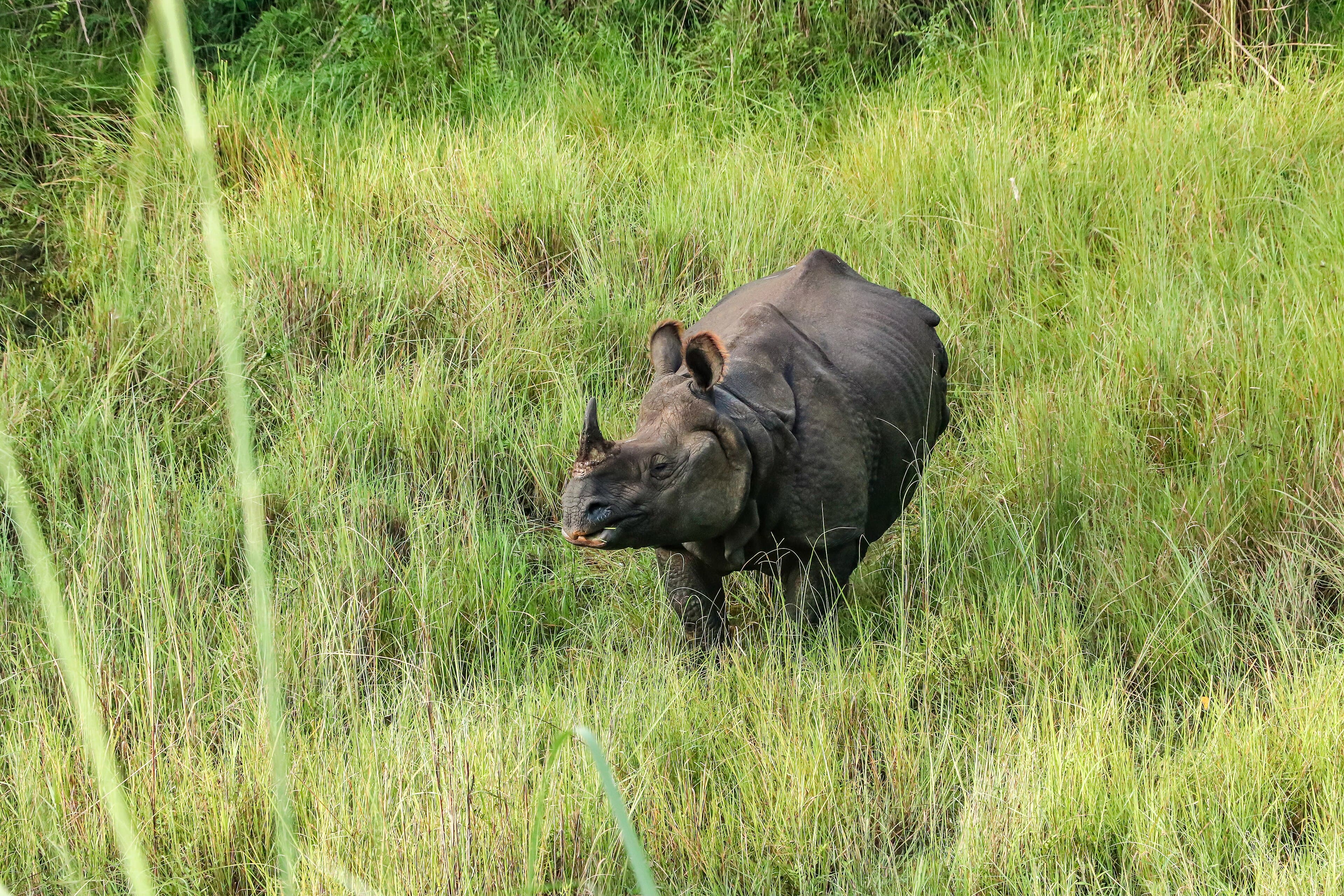
For the other twelve parks — including Chitwan — fees vary, and we will not quote a number we cannot stand behind. Check the current entry fee with the official sources below rather than relying on older figures floating around online.
Restricted areas need more than an entry ticket
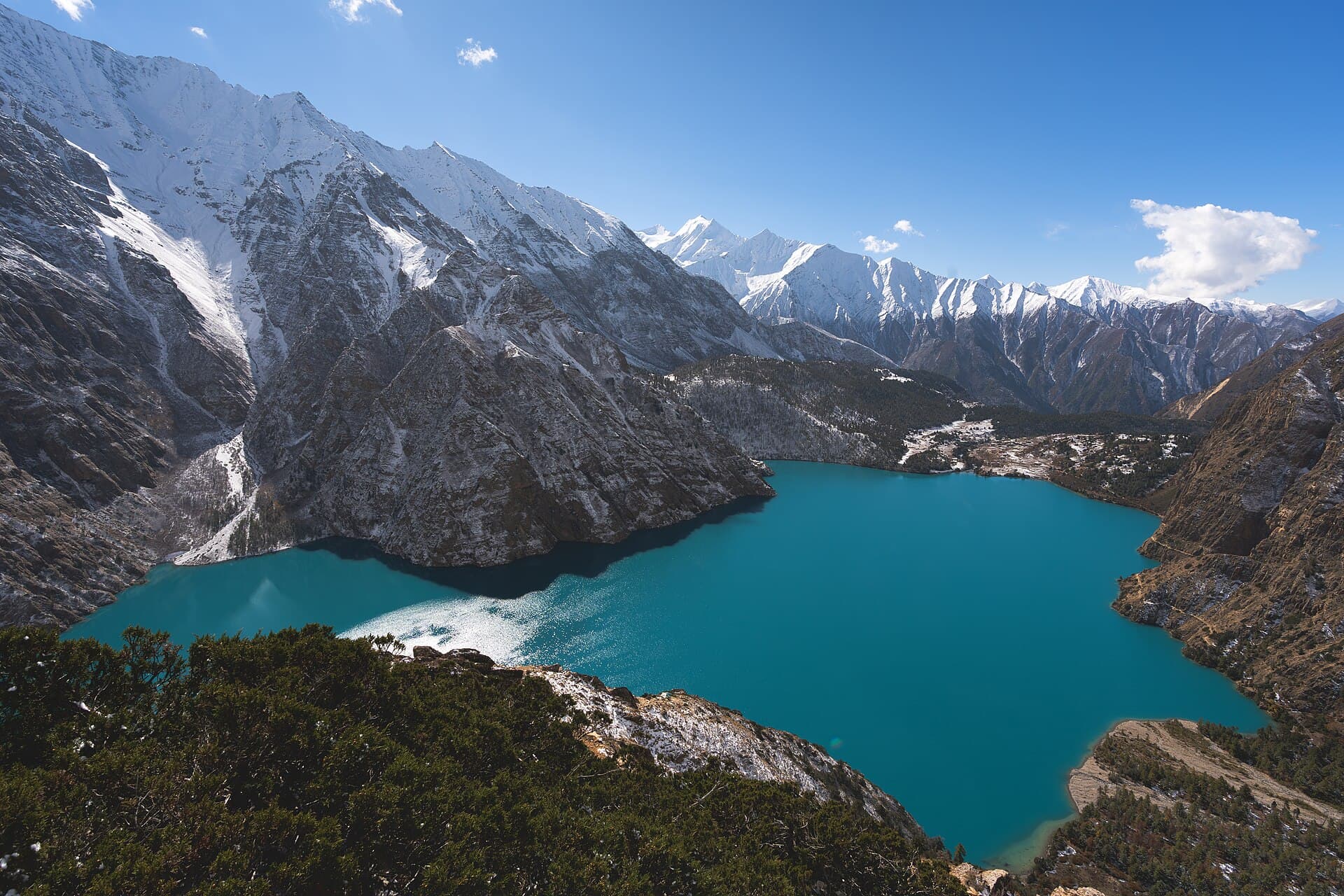
Some of Nepal's most remote and culturally sensitive regions sit inside or beside national parks and require a special restricted-area permit on top of the park entry fee. The Upper Dolpo region within Shey Phoksundo National Park is the classic example: entering the inner area typically requires a restricted-area permit, travel with a licensed guide, and often a minimum group size. These permits are more expensive and have stricter rules than ordinary park entry — and the specifics change, so confirm them before committing to a route.
Buffer-zone and local fees
In several areas there can also be an additional local-government fee layered on top of the national park fee — for example, a municipal or rural-municipality charge collected in the Everest region. Amounts and arrangements vary and are revised periodically, so budget for the possibility of more than one fee and verify the current position locally.
A trekkers' information (TIMS) card may also be required for certain treks. Whether it applies, and at what cost, depends on the area and current rules — another thing to confirm rather than assume.
Where to confirm — the only sources worth trusting
Because fees and permit rules change, go straight to the authorities:
- Department of National Parks and Wildlife Conservation (DNPWC) — the government body that manages the parks: dnpwc.gov.np
- Nepal Tourism Board (NTB) — official tourism information, including park pages: ntb.gov.np
A reputable local trekking operator or the park entrance office will also have the current figures. The golden rule: verify fees and permit requirements close to your travel date, carry enough cash (park offices rarely take cards), and keep your receipts and permits with you inside the park.