Nepal is famous for its mountains, but some of its most memorable places are the lakes cupped among them — and several of the finest sit inside national parks, protected along with the peaks and forests around them. They range from a low-altitude wetland alive with birds to a sacred pool at 4,380 metres. Here are the ones to build a trip around.
Rara Lake: Nepal's largest
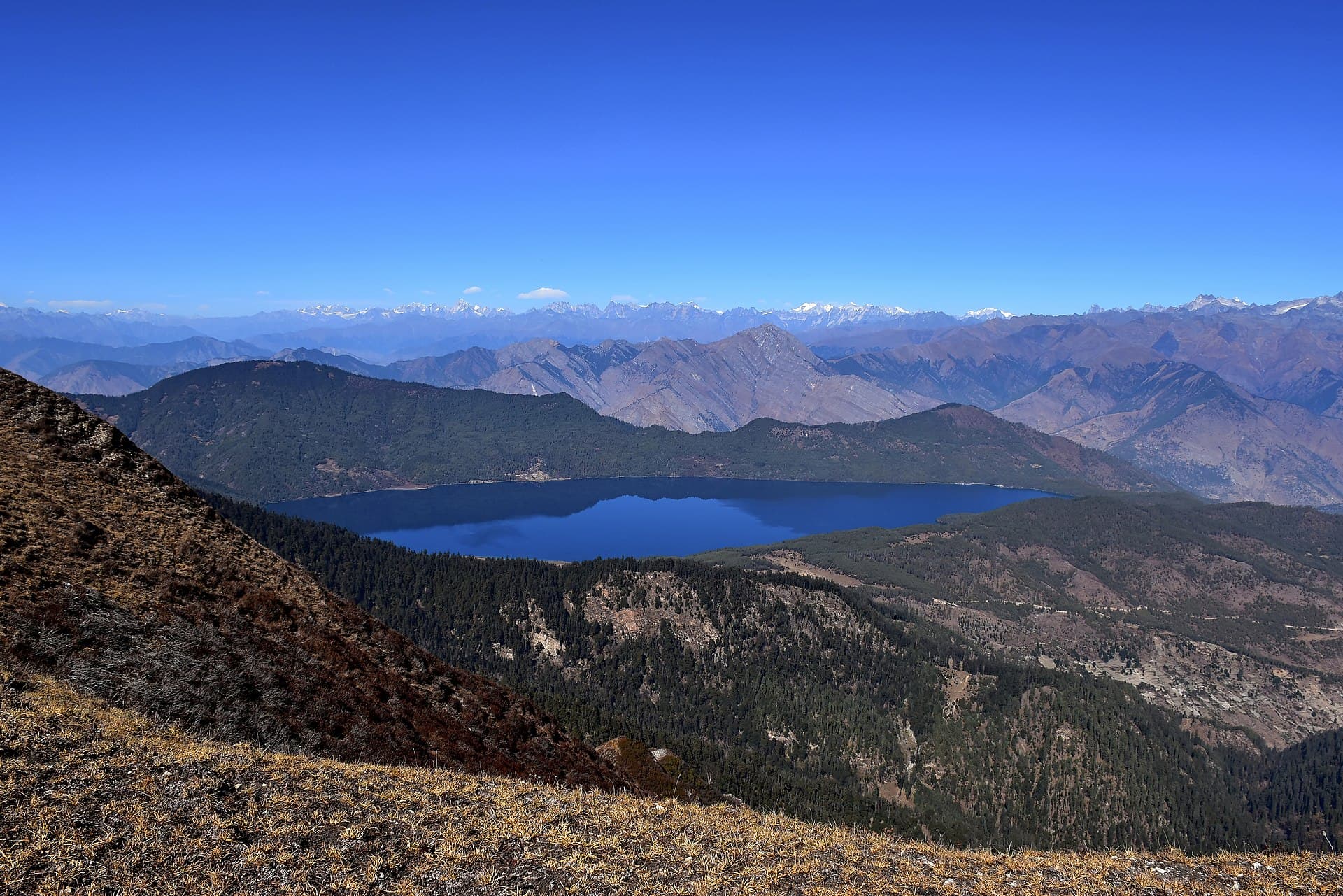
In the remote far west, Rara National Park is the country's smallest national park wrapped around its largest lake. Rara Lake covers about 10.8 km², reaches depths of up to 167 metres, and sits at roughly 2,990 metres, ringed by conifer forest and the slopes of Chuchemara Peak, which it mirrors on a still morning. In winter its waters draw migratory waterfowl; in spring the surrounding rhododendrons bloom. Reaching it means a flight to the far-western airstrips and a trek in — part of the reason it remains so unspoiled.
Phoksundo Lake: the turquoise jewel of Dolpo
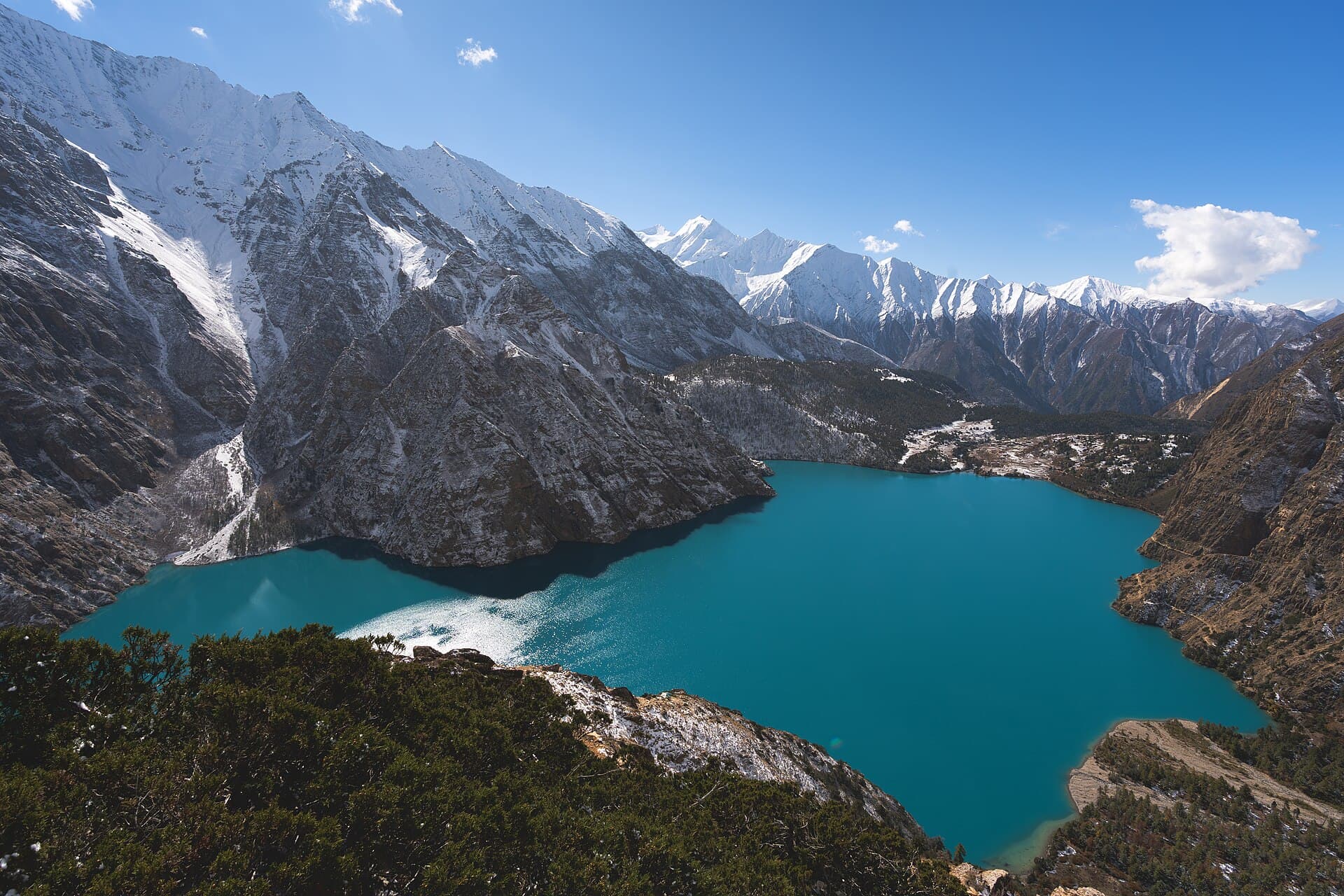
Deep in the trans-Himalayan Dolpo region, Shey Phoksundo National Park takes its name from Phoksundo Lake — an astonishing turquoise body of water around 145 metres deep, set against arid cliffs near the village of Ringmo. Just below it tumbles the Phoksundo waterfall, at roughly 167 metres one of the highest in Nepal. The lake is a designated Ramsar wetland, and the trek to it passes ancient Bon and Buddhist monasteries. It is one of the most striking sights in the entire Himalaya — and among the hardest-won, in Nepal's largest and most remote park.
Gosainkunda: the sacred lakes
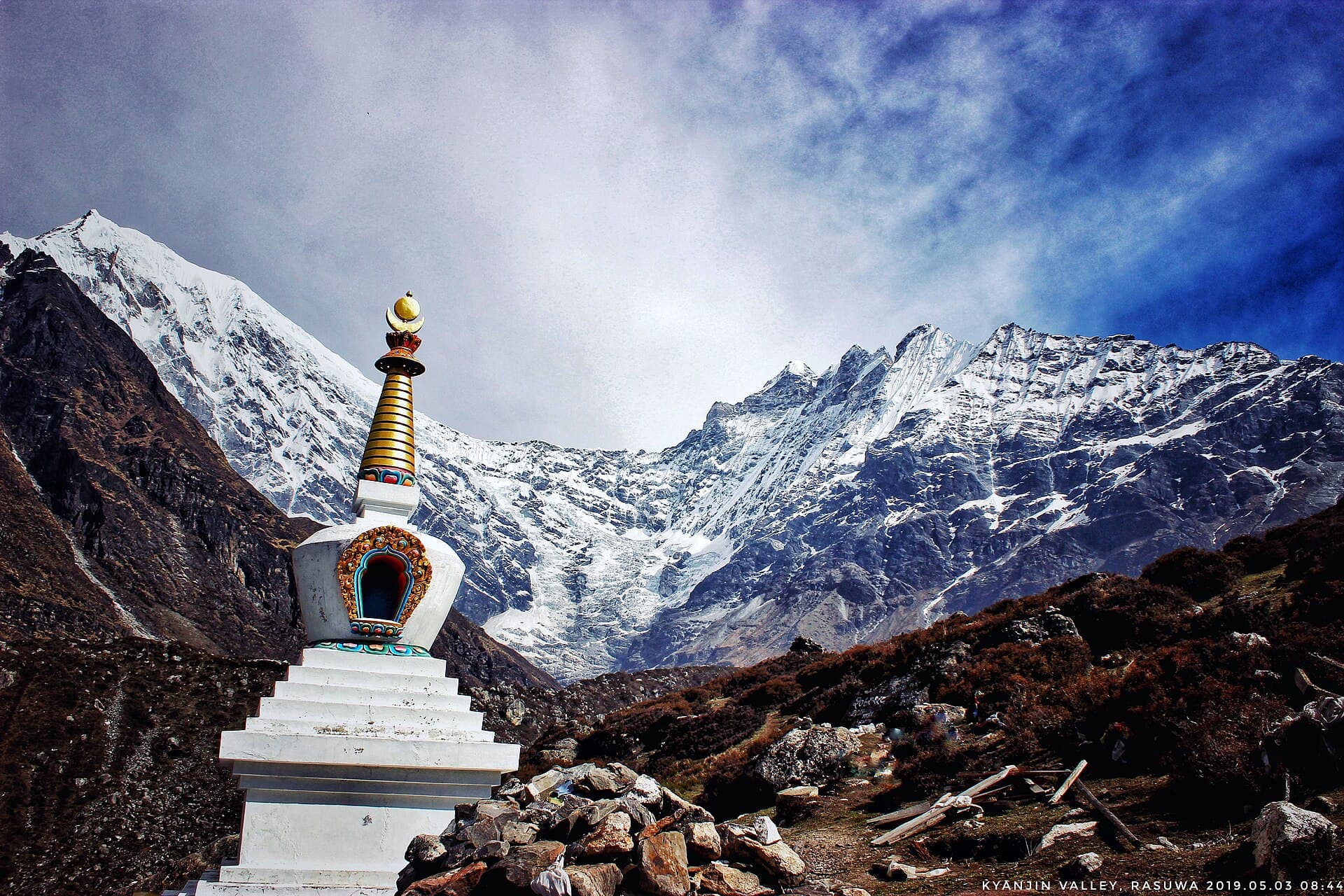
In Langtang National Park, the closest Himalayan park to Kathmandu, lies Gosainkunda — a cluster of glacial lakes at about 4,380 metres held sacred by both Hindus and Buddhists. Each August, during the Janai Purnima festival, pilgrims climb to bathe in its waters. For trekkers it is a high, wild and beautiful goal, reached on foot from the Langtang valley or via Helambu, and a reminder that in Nepal landscape and faith are rarely separable. (Treat festival dates as approximate and confirm them locally before planning around them.)
A lowland contrast: Bis Hajar Tal
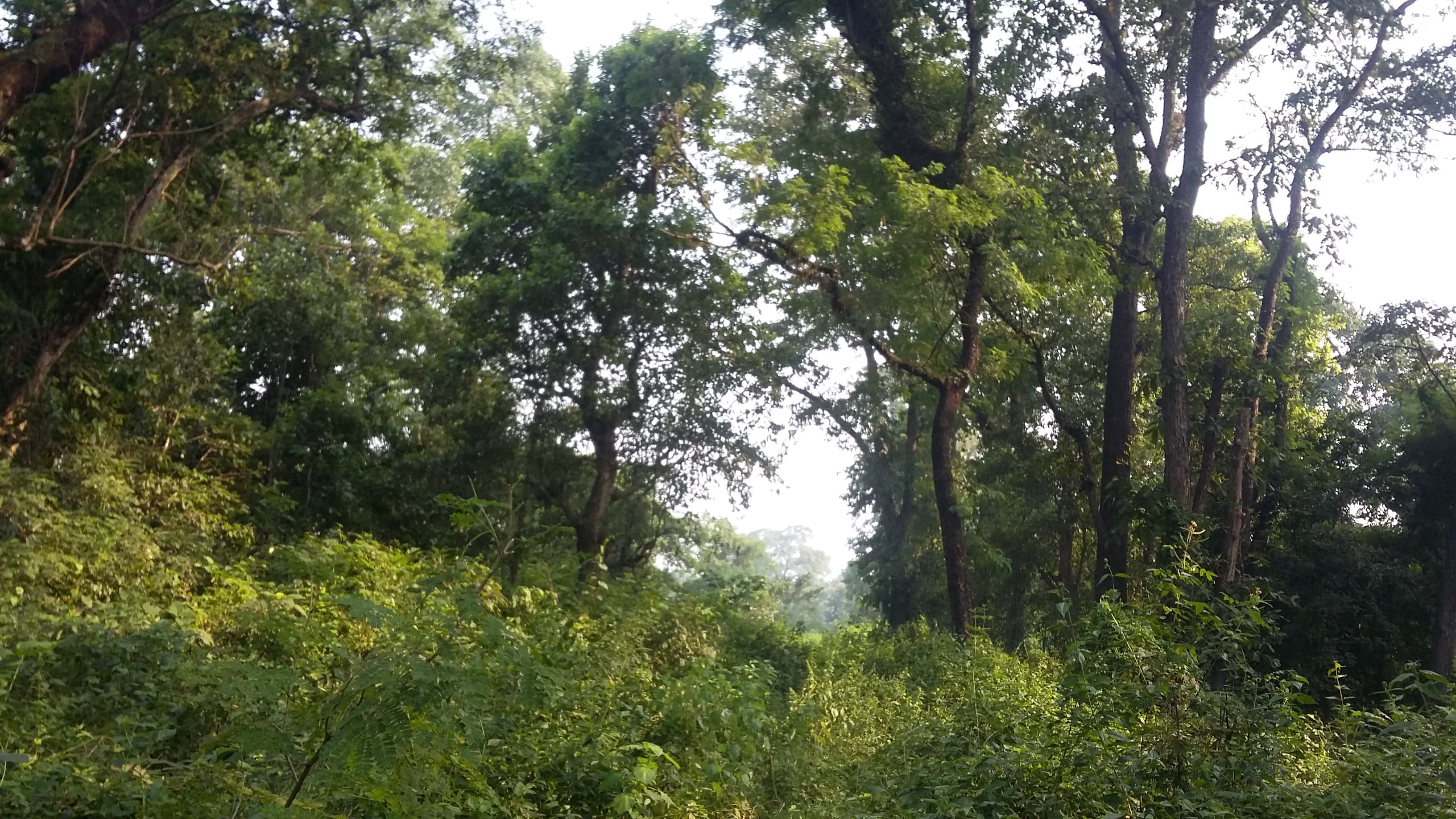
Not every park lake is a high-mountain one. In the Terai, Chitwan National Park holds Bis Hajar Tal — the "Twenty Thousand Lakes" — a Ramsar-listed complex of oxbow lakes and marsh that is one of the best birdwatching spots in the lowlands. It makes the perfect counterpoint to the Himalayan lakes above: warm, green, teeming with life, and reachable as part of a standard Chitwan visit rather than a multi-day trek.
Before you go
These lakes sit at wildly different altitudes and difficulties — from a half-day's birding at Bis Hajar Tal to a serious, remote expedition at Phoksundo or Rara. Match the lake to your time, fitness and acclimatisation, go in the right season (spring and autumn for the high lakes; the dry winter months for the Terai wetlands), and always trek the remote parks with proper guides and permits.