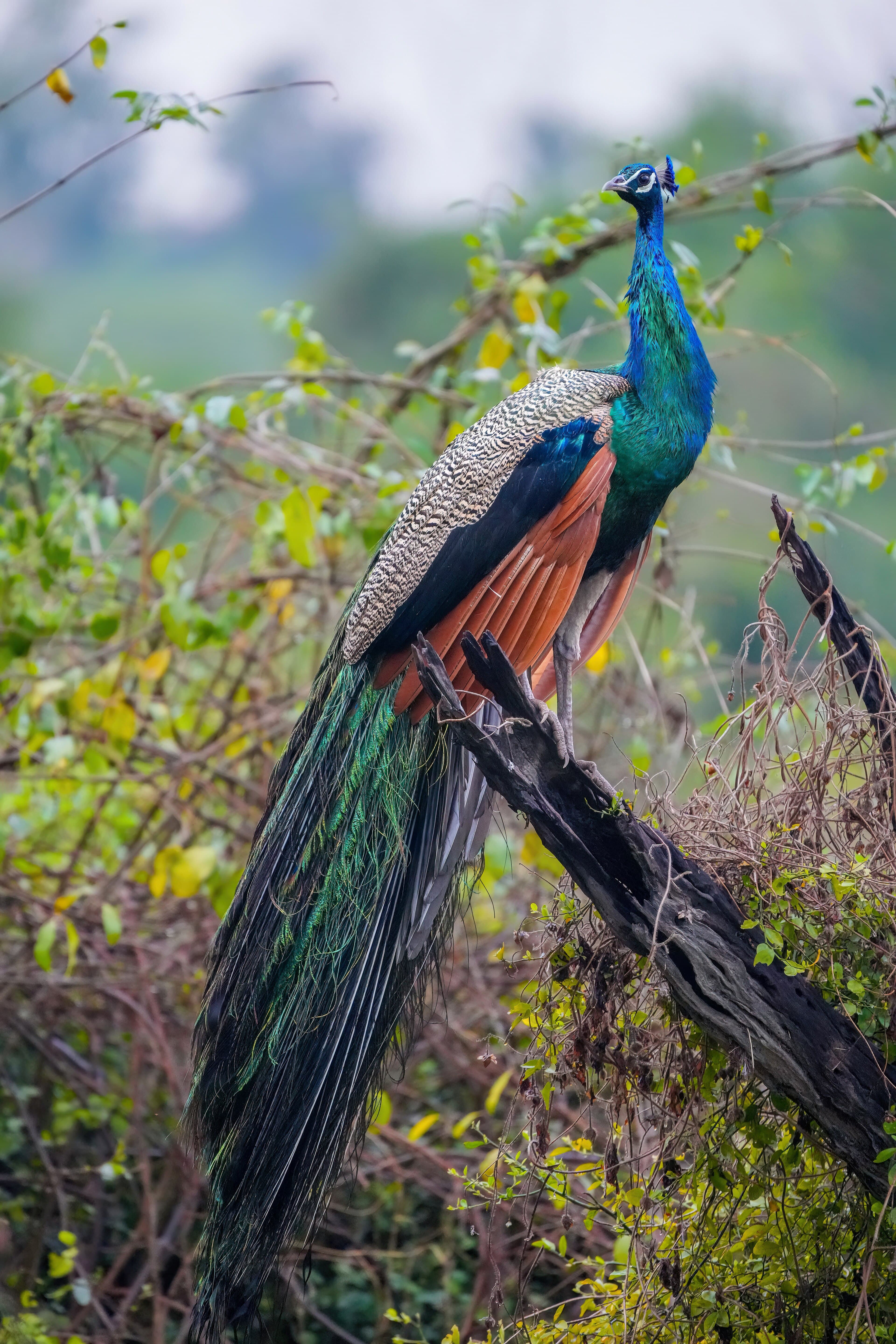
An Indian peafowl, one of Chitwan's resident birdsPhoto: Giles Laurent · CC BY-SA 4.0

Home / Discover / Birds

An Important Bird Area

Birds of Chitwan

Over 500 bird species have been recorded — more than any other protected area in Nepal, including around two-thirds of the country's globally threatened species.

500+
Species recorded
~160
Migrant species
22
Globally threatened
IBA
BirdLife International

Grassland Specialists

The rarest birds of the Terai

The park's alluvial grasslands are vital habitat for some of Asia's most threatened birds.

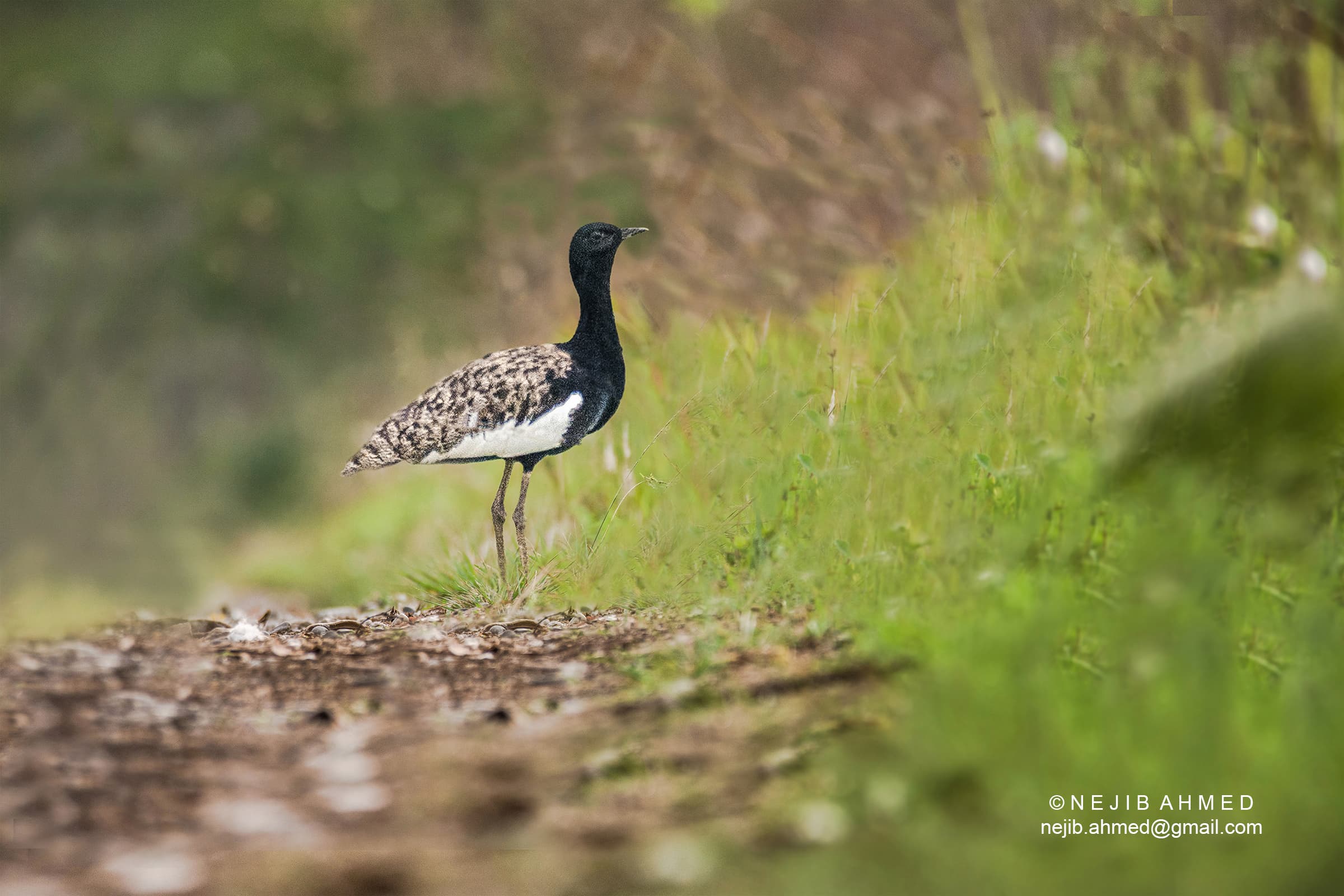
A Bengal floricanPhoto: Nejib Ahmed · CC BY-SA 4.0

Bengal Florican

Houbaropsis bengalensis

A secretive grassland bustard and one of the world's rarest birds.

Critically Endangered
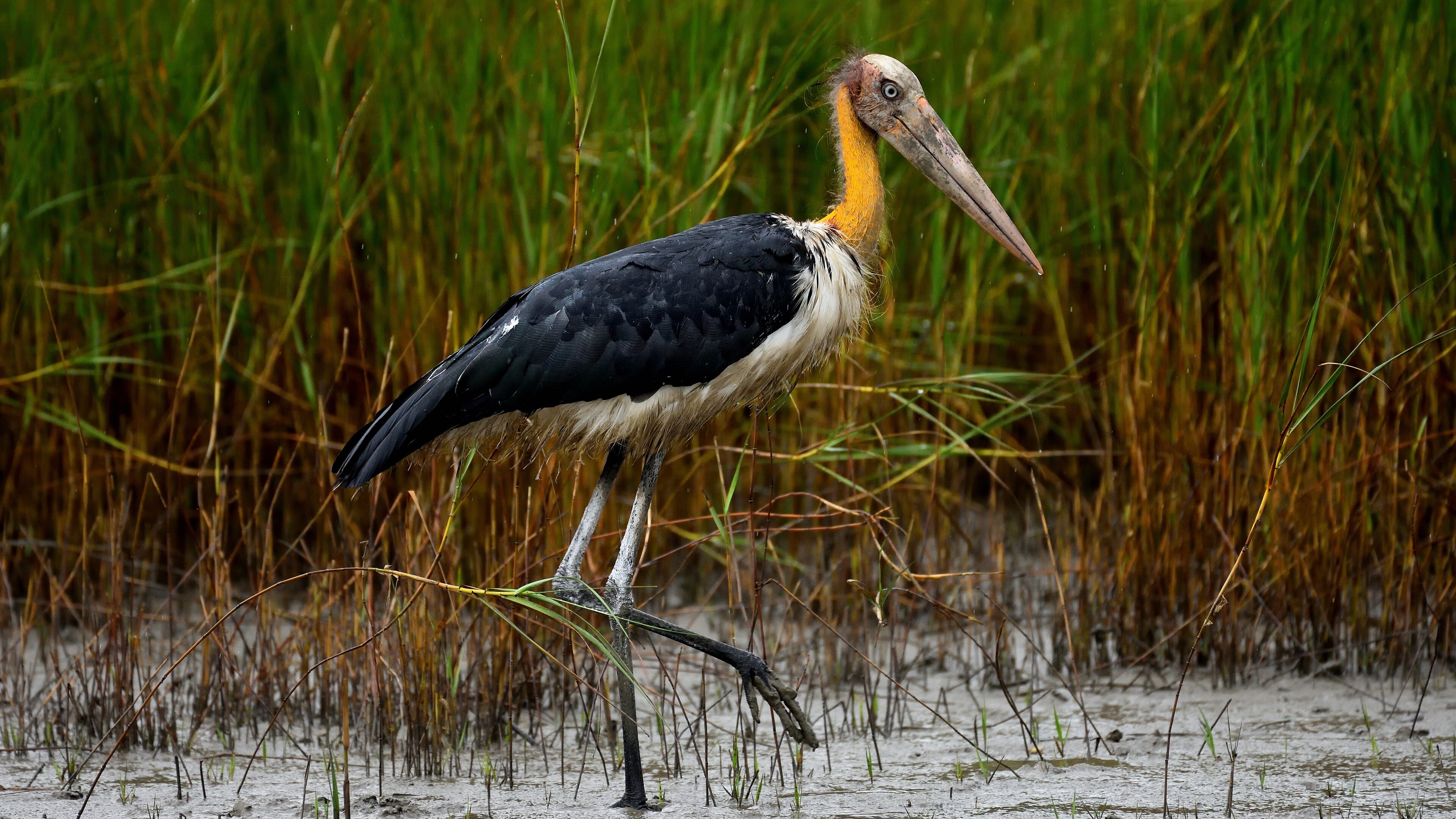
A lesser adjutant storkPhoto: Rana Choudhuri · CC BY-SA 4.0

Lesser Adjutant

Leptoptilos javanicus

A large stork of the wetlands and floodplains.

Vulnerable
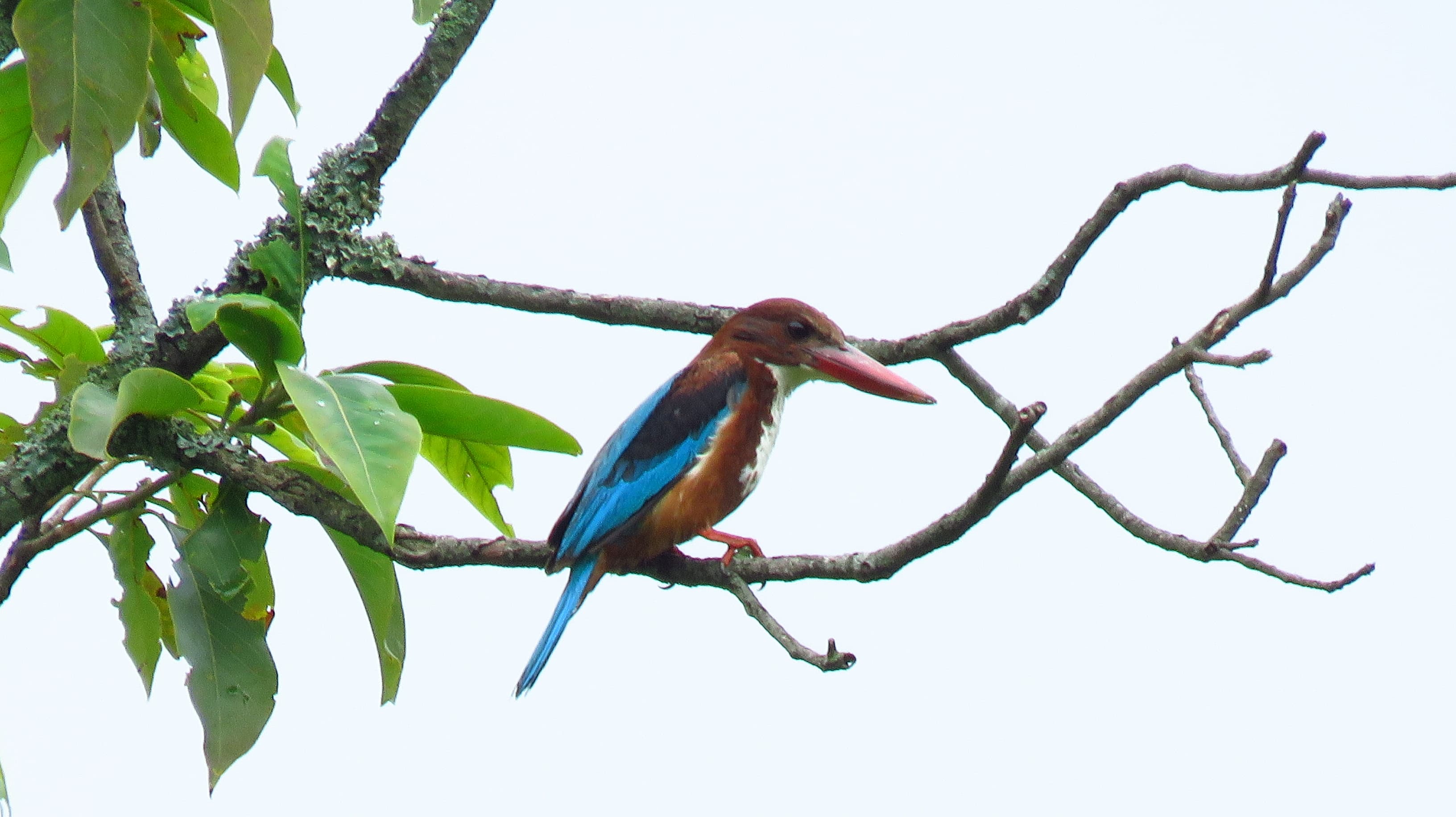
A white-throated kingfisherPhoto: Sakshamtamu · CC BY-SA 4.0

Slender-billed Babbler

Argya longirostris

More than 200 were sighted across three grassland types in a single 2005 survey.

Vulnerable
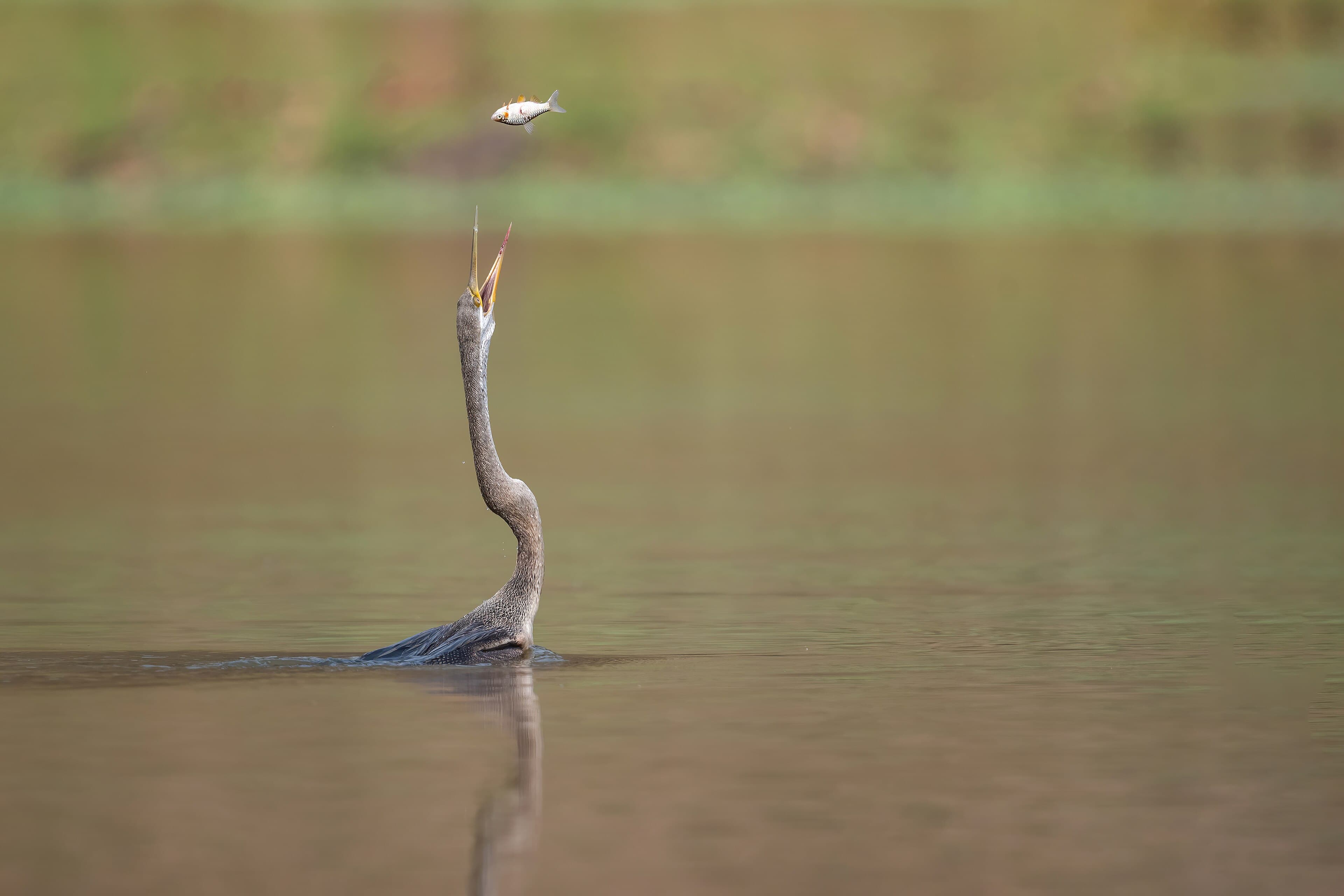
An Oriental darter with a fishPhoto: Mildeep · CC BY-SA 4.0

Wetland Birds

Where egrets and kingfishers abound

The near-threatened Oriental darter breeds around the park's many lakes, where egrets, bitterns, storks and kingfishers gather. Chitwan is also one of the few known breeding sites of the globally threatened spotted eagle, while peafowl and jungle fowl forage the forest floor.

A Calendar of Wings

The migratory year

Autumn & Winter

Around 160 migrating and vagrant species arrive from the north — including the greater spotted eagle, Pallas's fish-eagle, Brahminy ducks and goosanders.

February

Large flocks of bar-headed geese rest for a few days on their long migration northward over the Himalayas.

Spring & Monsoon

The calls of cuckoos herald spring; the colourful pitta, paradise flycatcher and several sunbirds breed through the monsoon.

A Bengal florican in grassland habitat

A paradise for birdwatchers

Plan a visit during the cool, clear bird season to witness the avian richness of the Terai.